For more than ten years, I have been helping visitors from around the world explore Lithuania’s Jewish heritage and family history. Here are the answers to some of the questions I am asked most often.

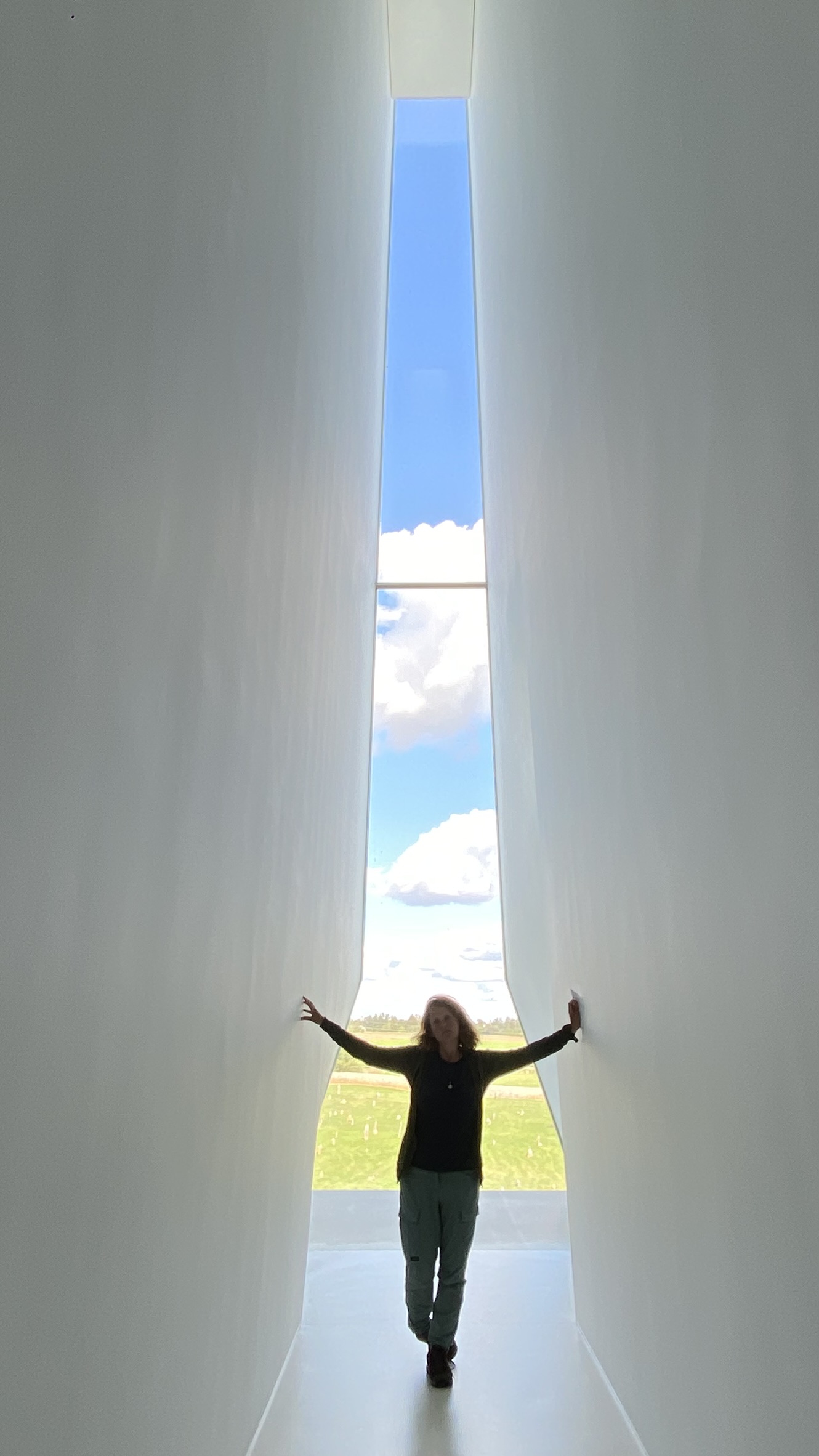
Photo: Mantas Gudzinevičius, “Passport Journal”
1. Who are you?
My name is Aušra Mikulskienė (hear my name), and I’ve been working as a guide since 2012.
My interest in Lithuania’s Jewish heritage began as a personal hobby and gradually became my main professional focus.
Today, most of my work is dedicated to private family roots and Jewish heritage tours across Lithuania, although I also guide cultural tours. Whenever possible, I connect Jewish and non-Jewish history, because I believe Lithuania’s story is best understood as a shared one.
2. Are you a legal guide?
Yes. I am a licensed guide, certified by the State Department of Tourism of Lithuania. I hold all the necessary documents to work in Lithuania and, when required, in Latvia and Poland.
You won’t find me on platforms such as GetYourGuide or Viator simply because I have chosen a different way of working. Most of my clients come through personal recommendations, while others find me through this website or my Facebook pages Litvak Shtetls and Famous Litvaks.
My business has grown naturally through word of mouth, and I prefer to keep it that way.
If I want to plan a family roots trip to Lithuania, how should I book a tour with you?
The best way to get started is to send me an email at info@litvakshtetls.com.
If your request is urgent, you can also contact me via WhatsApp at +370 610 46155.
Please include:
- your planned travel dates,
- how many days you will have in Lithuania,
- the towns, villages, or family names you are researching (if known).
Based on this information, I will suggest the most suitable itinerary. If I am available on your dates, I will then prepare a detailed proposal and a price quotation.
As I live in Vilnius, most family roots tours begin with a Jewish heritage walk through Vilnius, followed by one or more day trips to the towns connected with your family’s history.
Please include:
– your planned travel dates,
– how many days you will have in Lithuania,
– the towns, villages, or family names you are researching (if known).
Based on this information, I will suggest the most suitable itinerary. If I am available on your dates, I will then prepare a detailed proposal and a price quotation.
As I live in Vilnius, most family roots tours begin with a Jewish heritage walk through Vilnius, followed by one or more day trips to the towns connected with your family’s history.
A TYPICAL 3 DAY ITINERARY:
Day 0 – Arrival
Arrive in Lithuania. Free time to rest or explore Vilnius Old Town. I can suggest dinner spots or evening strolls.Day 1 – Jewish Vilnius Walking Tour
10:00–13:00 – Half-day tour of former Jewish Quarter streets, sites of the synagogues, monuments to the Gaon of Vilnius and other prominent Jews, and memoria with stories of prewar Jewish life, the Holocaust, and memory today. Afternoon free to explore independently.Day 2 – Family Roots Trip (Shtetl 1 & 2)
Depart Vilnius ~8:00 a.m. Spend 2–3 hours in each ancestral town, visiting Jewish quarters, cemeteries, and meeting locals or historians when possible. Lunch between towns. Return to Vilnius or stay overnight near the second shtetl.Day 3 – Continuation (Shtetl 3 / Heritage Sites)
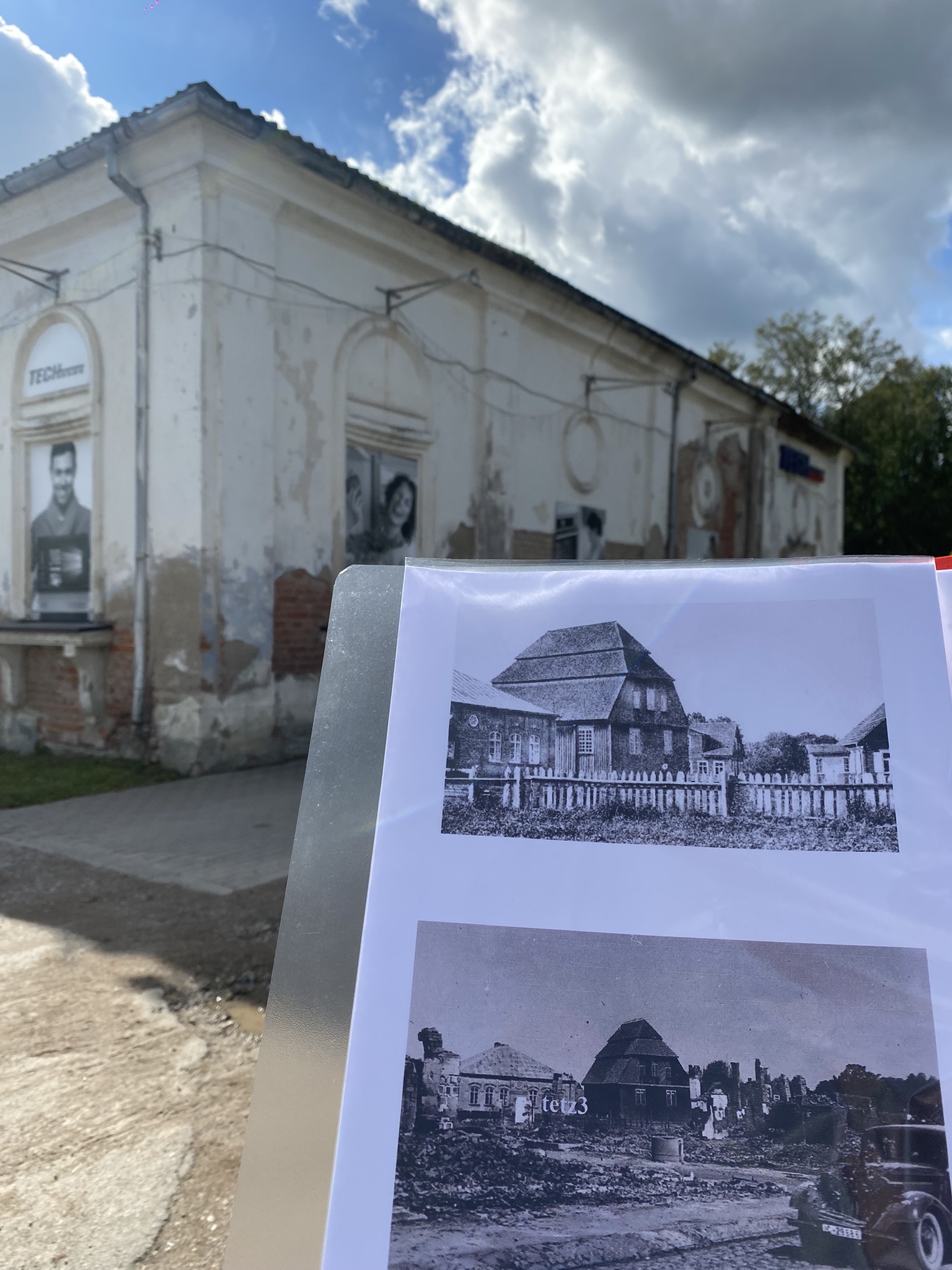
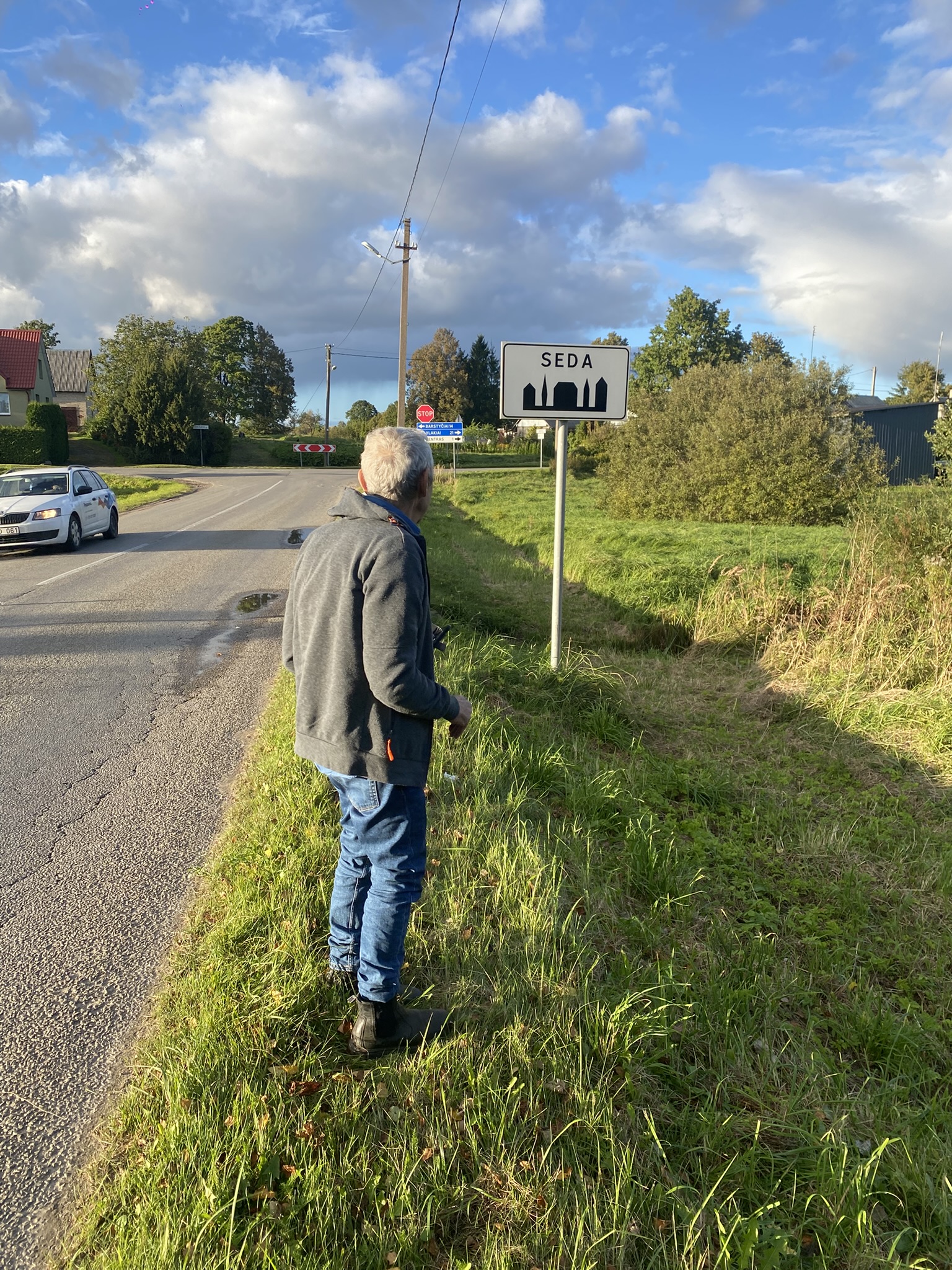
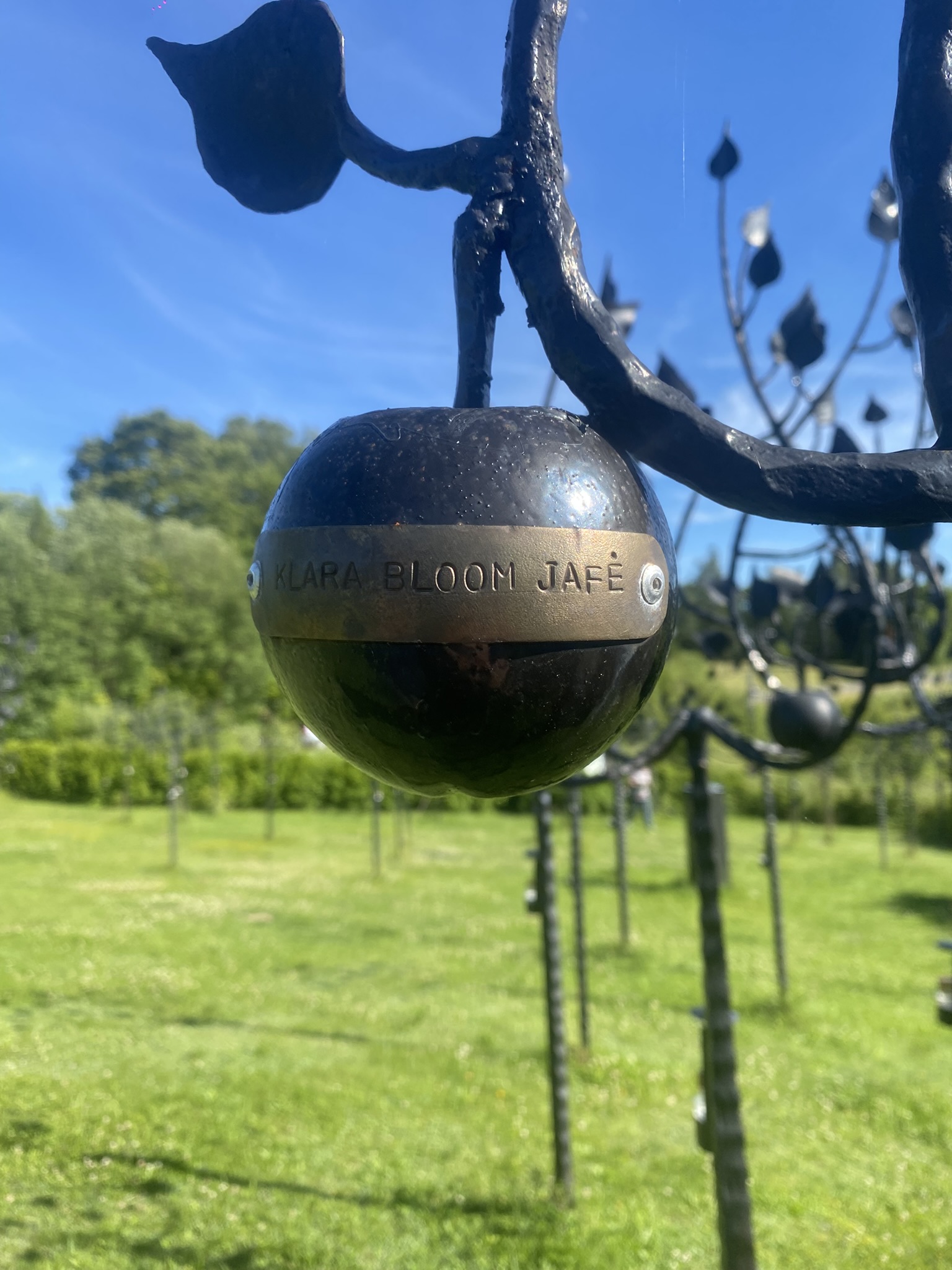
Visit another ancestral town or additional Jewish heritage sites, such as the Ninth Fort (Kaunas), Lost Shtetl Museum (Šeduva), Litvak Memorial Garden (Plateliai), or stops in Kėdainiai, Telšiai, Žiežmariai. Return to Vilnius in the evening or continue elsewhere.


4. Do you do family records research?
I do not conduct professional archival research, but I often use my personal library, interviews, and online sources to learn more about families and former Litvak shtetls.
If you need official archival records or in-depth genealogical research, I can recommend experienced researchers specializing in Jewish genealogy in Lithuania.
5. When is the best time to travel to Lithuania? When should we start planning?

The best time to visit Lithuania is between May and mid-October, when the weather is generally mild and the days are long. However, April and late October can also be excellent choices, with fewer visitors and beautiful autumn colours. If you don’t mind colder weather, December offers a festive atmosphere, Christmas markets, and beautiful lights in Vilnius.
This is also my busiest guiding season, so I recommend getting in touch as early as possible. During the summer months, I often spend long days guiding across Lithuania and may not reply to emails immediately. I always respond as soon as I return.
Once we agree on your itinerary and the guiding fee, both remain unchanged, even if my standard rates increase later.
6. What are your prices?
Prices depend on the itinerary, distance, and number of participants.
Generally, a half-day walking tour in Vilnius is around €150, and a full-day guided trip including transportation starts from €450. The above mentioned 3 day sample would cost approximately €950 – €1050.
These are private tours, not group excursions.
7. Do I need to book a car and driver, or can I use my own vehicle?
You can absolutely use your own or a rental car. In that case, my guiding fee is about €250 per day.
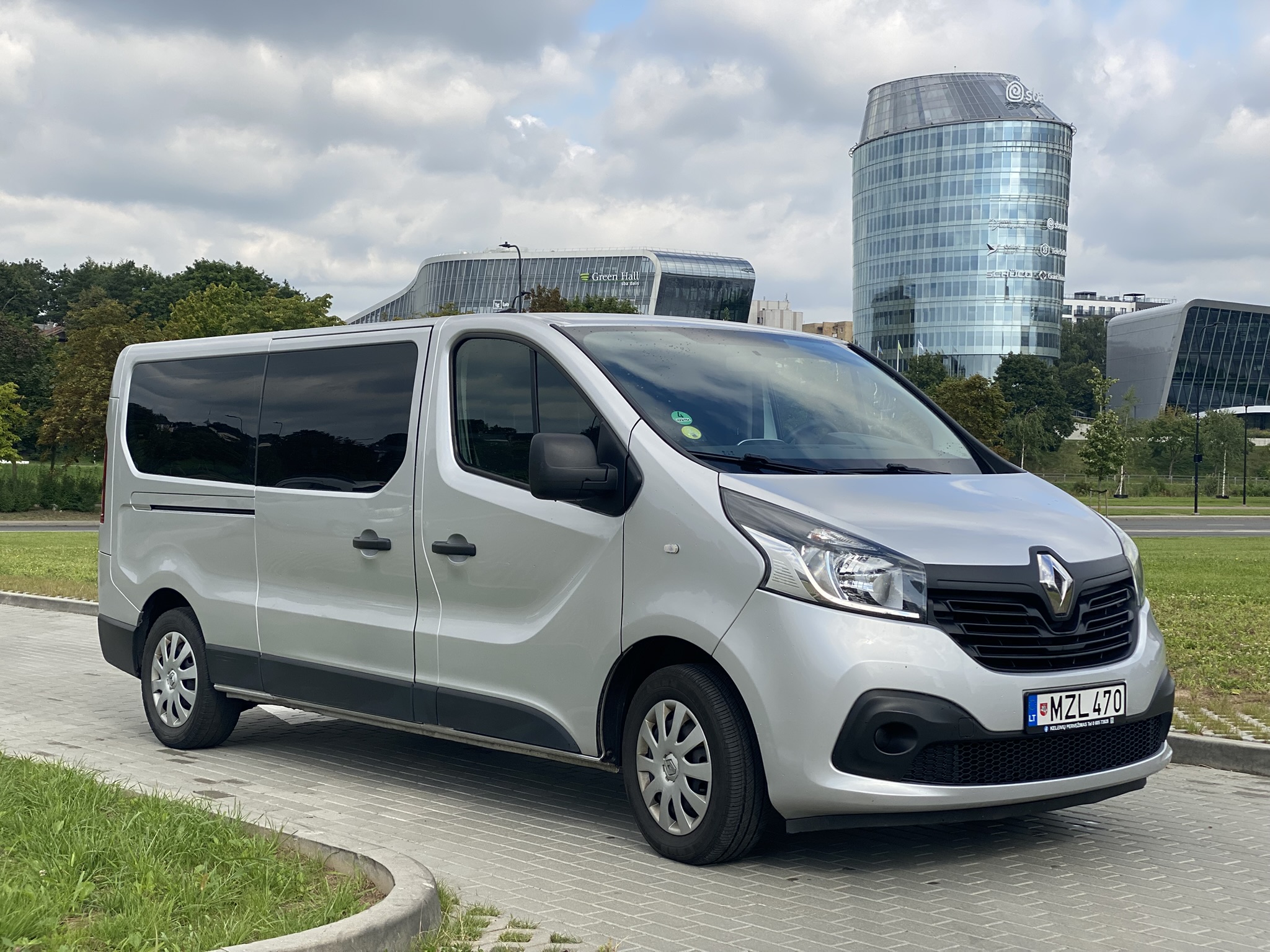
However, I usually recommend using my trusted driver. It’s more comfortable. You won’t have to worry about navigation, fuel, or parking. We can focus fully on the stories and the places themselves.

8. How do I confirm a booking?
To confirm your tour, I ask for a €50 (or $75) per tour day deposit, non-refundable but transferable up to an agreed date. Once received, your dates are reserved in my calendar.
9. Do you offer self-guided itineraries?
Yes. Not everyone needs a private guide. Some people prefer to travel independently, but still want reliable information about their family’s town or Lithuania’s Jewish heritage.
I can prepare a personalised self-guided itinerary with places to visit, historical background, maps, practical information, and suggestions for further reading or research.
If you think this might be a good option for you, just send me an email.
10. What else could you add to our conversation?
I would simply encourage you to travel.
Lithuania is a beautiful, safe, and welcoming country, where much of the Jewish heritage, though sometimes hidden, can still be found and felt.
Even when few physical traces remain, the stories are strong, and the experience of being here is deeply emotional.
Some of my guests have described their journey as “life before and after.”
For many visitors, seeing the places connected with their family history brings old stories to life. I hope you will return home with one more piece of your family’s story.
If you’re dreaming of walking in your ancestors’ footsteps, or wish to learn more about Jewish heritage in Lithuania, write to me at info@litvakshtetls.com or follow me on Facebook at Litvak Shtetls.