
November 19 marks the birthday of world-renowned painter and sculptor Arbit Blatas (1908-1999). It is a perfect occasion to rediscover this remarkable artist.
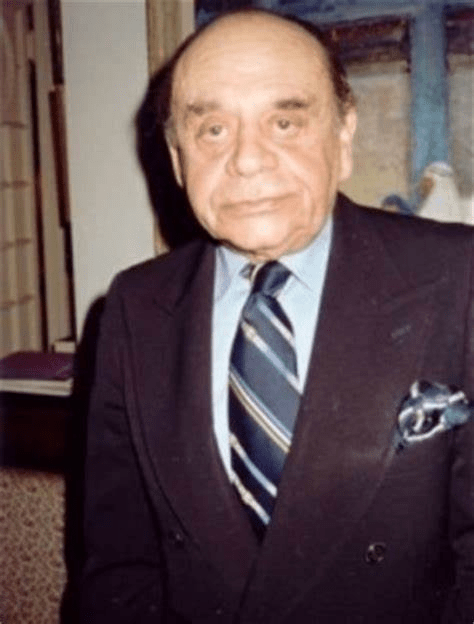
Neemija Arbit Blatas (Nicolai Arbitblatas) was born in Kaunas in 1908. It was here that he first learned to draw and held his very first exhibition. Later, his life and work took him to Venice, Paris, and New York.
Although he left Lithuania during the interwar period, Blatas returned to Kaunas often. In 1932–33 he opened the first private art gallery in Lithuania. He became the youngest member of the famed École de Paris and personally knew artists such as Picasso, Matisse, Braque, Dufy, Bonnard, Soutine, Cocteau, and Lipchitz – many of whom he later portrayed in his paintings, sculptures, and reliefs.
As art historian Dr. Vilma Gradinskaitė notes, Blatas constantly carried a sketchbook and, like a visual chronicler, captured life around him in studios, cafés, and streets. These sketches gained immense historical value after World War II, when many of the artists working in Paris did not survive.
Blatas was a prolific painter, sculptor, scenographer, and a vivid colorist. Stylish and charismatic, he loved observing people, whether in cafés or bars. His works are exhibited in public squares, museums, and galleries across the world. He continued creating almost until his death in 1999.
Lithuania today preserves several hundred of his works, donated to the country by his widow, Regina Resnik. One of the most notable is the series of Holocaust-themed bronze reliefs that greet visitors in the courtyard of the Ninth Fort Museum in Kaunas. Many other works can be seen in the collections of the Lithuanian National Museum of Art or found in galleries specializing in art sales.

Arbit Blatas self portrait 
Near the Kaunas Choral Synagogue, 1988. Photo: Gregory Talas The curator notes that Kaunas held a particularly special place in Arbit Blatas’ heart. His parents lived here, and even after he moved abroad, he frequently returned to visit them until the outbreak of World War II. On K. Donelaitis Street, his father owned a musical instrument shop, while in 1932 Blatas himself established the first private art gallery in Kaunas, located on Independence Square. There, he exhibited not only his own works but also those of other Lithuanian and Jewish artists. 
Jacques Lipchitz and Arbit Blatas “Only thanks to Lipchitz did I not feel isolated during my first years in New York,” wrote Arbit Blatas, often called the last representative of the École de Paris movement. “My Dear fellow countryman,” Lipchitz would affectionately address his friend from their shared Lithuanian homeland. 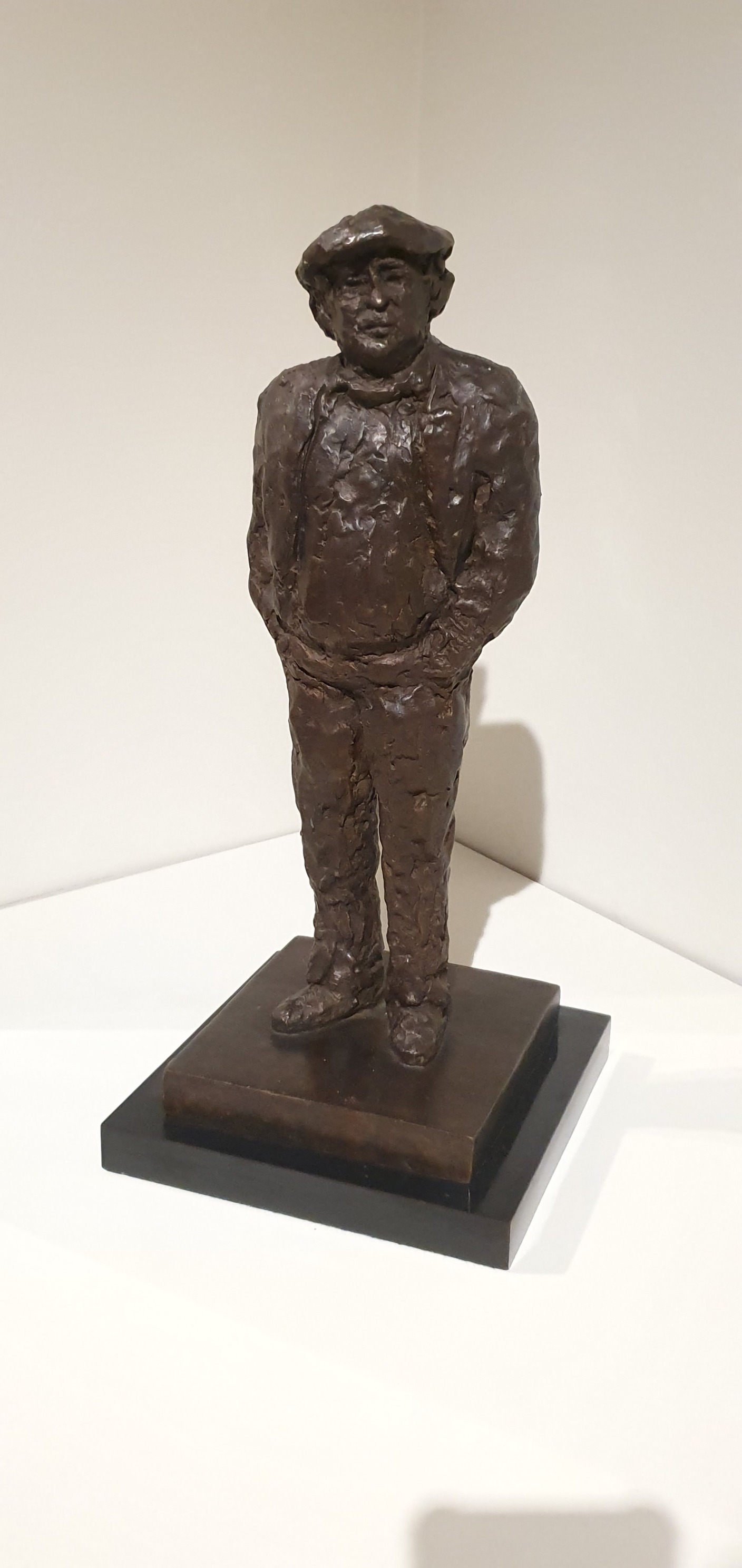
Jacques Lipchitz by Arbit Blatas 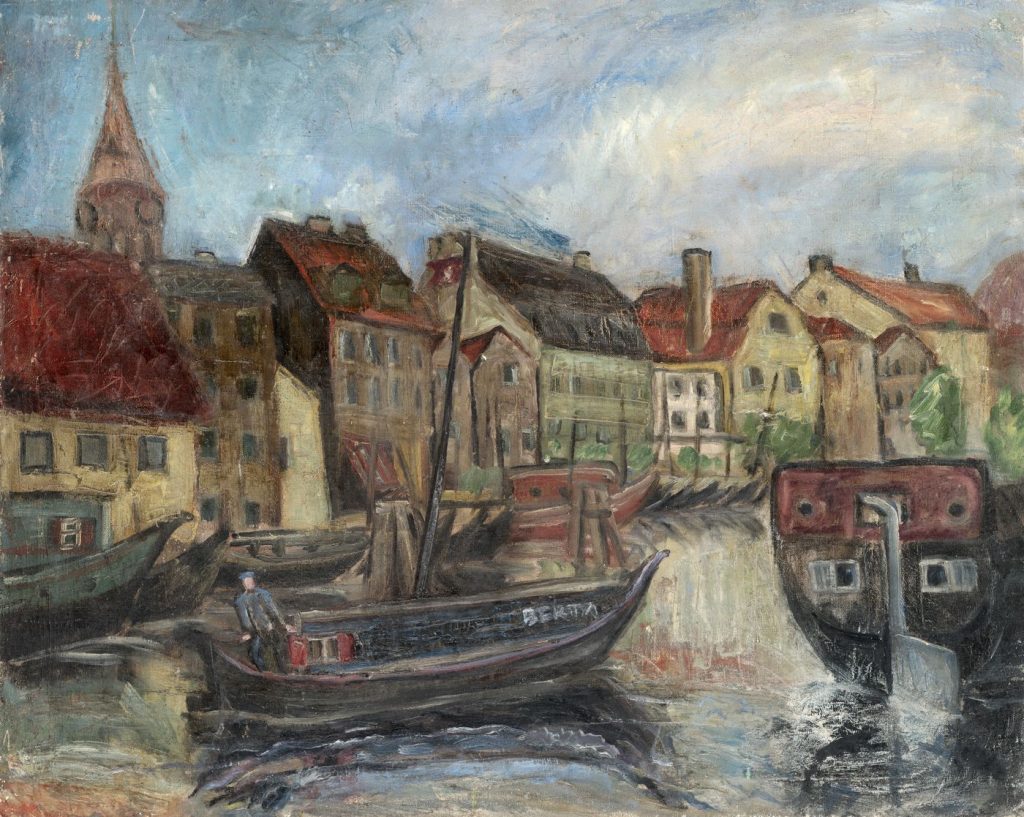
Port of Klaipėda (Memel) 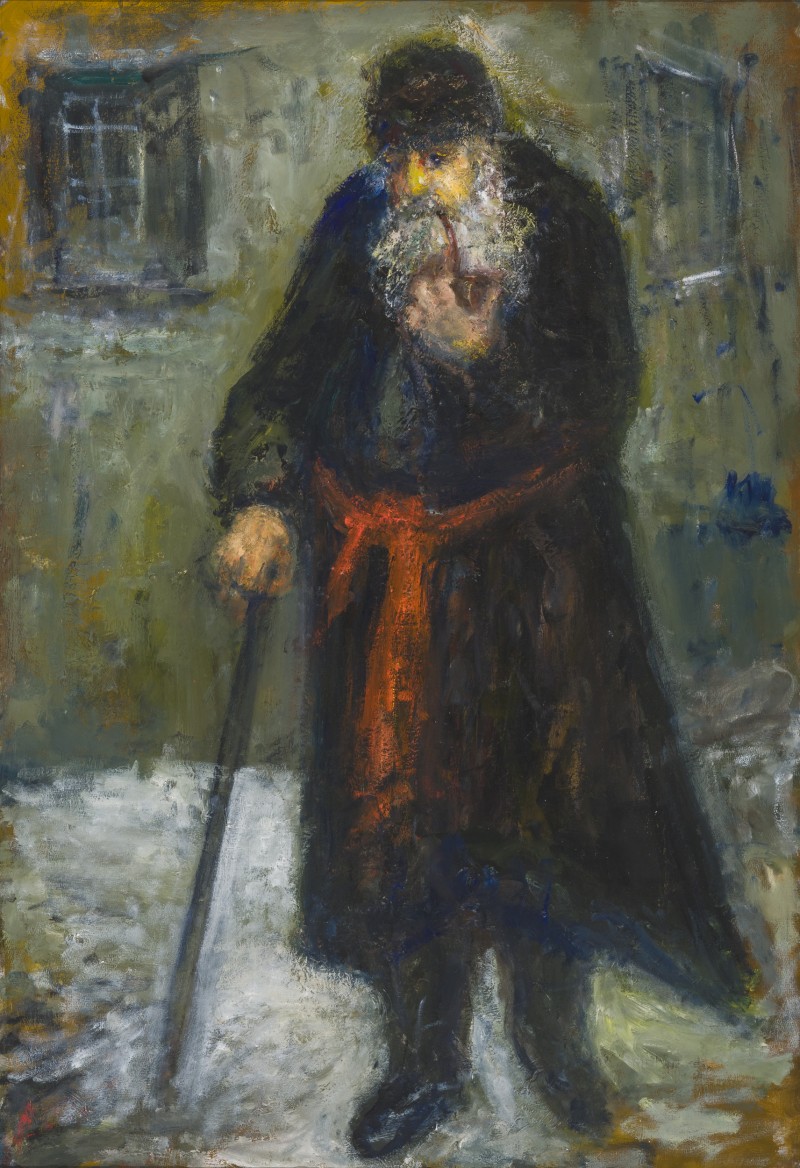
Old man with a pipe 
Scene in Venice “In the winter Venice is like an abandoned theatre. The play is finished, but the echoes remain.” – Arbit Blatas. 
Café du Dôme “Midnight: after a coffee at the Coupole, you feel like stopping by the Dôme café to see whether any acquaintances might be around. The tables by the entrance are filled with people. Two stoves warm this terrace for those who want to live amid street life. A few familiar faces, and we sit down again. While talking, you notice the fiery red sign ‘Select’. It is a café visited exclusively by ‘the men’. Elderly, grey-haired gentlemen ‘converse’ with heavily made-up young men and drink ‘whisky’. There are enough cafés – let’s go to the dancing hall instead.” From Arbit Blatas’ article “Montparnasse”, 1929, no. 22, p. 8. I found it in the exhibition catalogue “Litvak Artists in Paris.” 
A section of the Memorial to the Jews of Venice, murdered in the Holocaust. These seven-panel reliefs are displayed in Venice, Paris, New York, and Kaunas, the cities where Arbit Blatas lived and worked. Arbit Blatas’s parents experienced the full horror of the Holocaust. They were imprisoned in the Kaunas Ghetto; his mother was later killed in Stutthof, and his father survived the Dachau concentration camp. 
Babin Yar. The lithograph “Babin Yar” was created around 1979. At that time, Arbit Blatas was producing drawings for the television series Holocaust, which depicted one of the darkest episodes of Nazi war crimes.In September 1941, German forces occupied Kyiv. Over the course of two days (September 29–30), 34,000 Jewish men, women, and children were brought to the Babyn Yar ravine on the outskirts of the city and shot there. 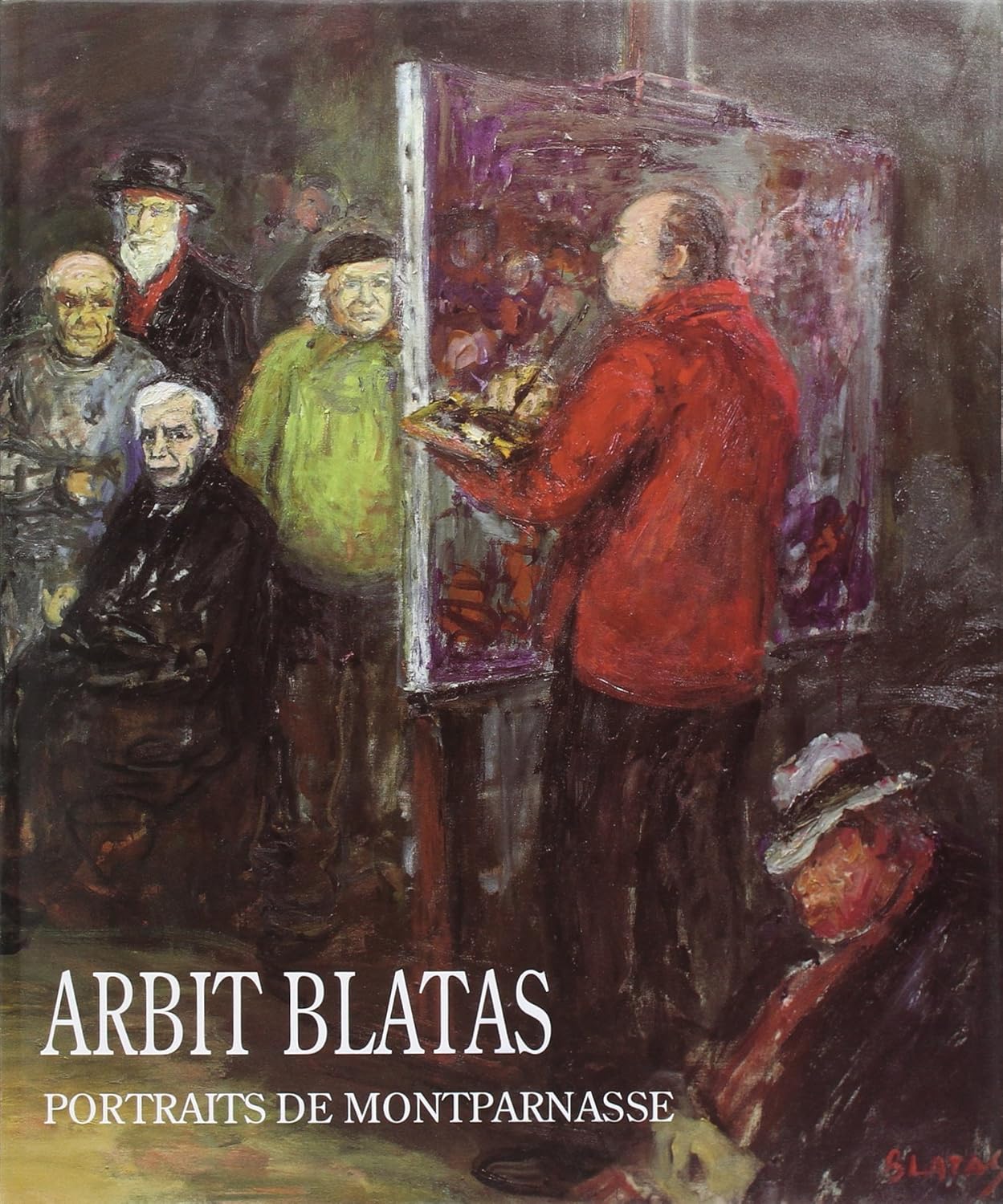
Portraits de Monparnasse
Photo credits:
 Litvak Shtetls