
“Rev Salanter, I can only spare one half-hour to devote to learning. For which subject should I best utilise this precious time?”
“Well, in this case”, responded the Rabbi, “devote it whole to the study of Musar. For, when you study that subject carefully and diligently, you will inevitably discover that you can find another half hour, too, that you could devote to learning”.
This time I will briefly tell you about Rabbi Yisrael Lipkin – Salanter. He founded the Musar movement and was the ideological pioneer of the Vilijampolė (Slabodka) yeshiva. For a while he also worked at the Užupis (Zareche) synagogue in Vilnius (Vilna)

Yisrael Lipkin, the son of Rabbi Zev Wolf, was born on November 3, 1809 in Žagarė (Zheger). The boy was gifted, so his parents sent him to Salantai (Salant) to study with the then famous rabbis. One of these rabbis was Zvi Hirsch Braude. There he married and lived in Salantai for a while, where he received the nickname Salanter.


The Musars offered an alternative, preserving traditions but conveying them through internal ethical and moral norms. “The Reforms came to change Judaism. I came to change the Jews,” Salanter liked to say. He could not tolerate any confusion of Jews with Judaism. This was unacceptable to the staunch Orthodox.
In 1840, Salanter arrived in Vilnius to head the Ramaile yeshiva, but had to leave due to intrigues. Having founded Musar schools with his students, he began to spread his ideas. In Musar yeshivas, individualized Musar practices were given more attention than the Talmud.
From 1841, Salanter took over the leadership of the yeshiva, which operated at the Užupis (Zareche) synagogue. Although not very quickly, these ideas began to spread throughout Vilnius. Jewish merchants, artisans, and workers became their followers. The Musars changed the behavior of ordinary Vilnius residents, raising them to previously unseen personal ethical standards.

The Maskilim did not really understand Salanter’s teachings. They tried to win him over to their side, but he essentially opposed them. On the other hand, the tsarists government wanted to join in Jewish life. They had even founded a rabbinical seminary. They offered Salanter the position of its leader. Having resisted the first and rejected others, he was forced to leave Vilnius. He then settled for a while in Kaunas.
Kaunas was different for the ideas of the Musars. Here these teachings did not become mass as in Vilnius, but rather it was the choice of the elite. He worked in Kaunas until 1857. During that time he managed to gather his followers.
After leaving Kaunas, he went to Prussia, lived in Berlin, Memel and Königsberg, where he died in 1883.

In 1882, his students, inspired and helped by their teacher, founded the Slabodka Yeshiva in Vilijampolė, now Kaunas.

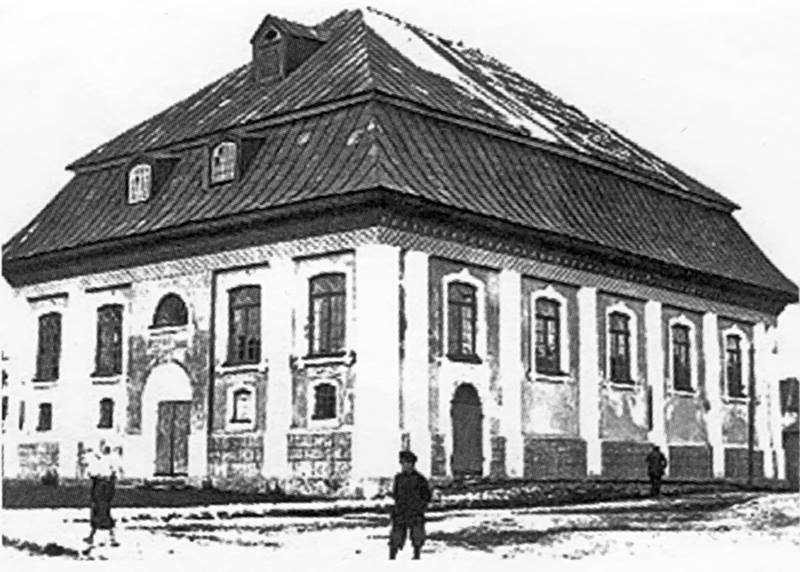
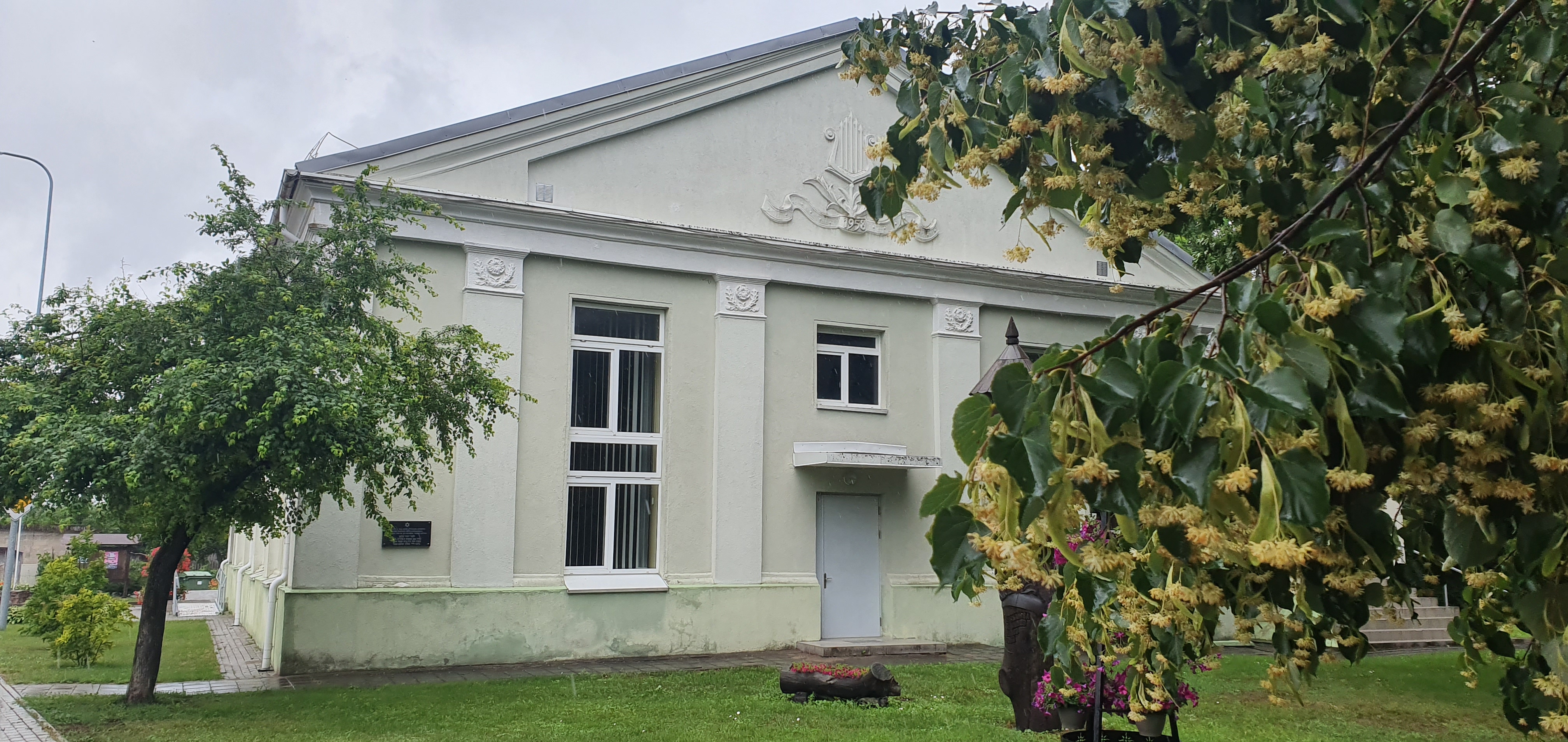
P.S. There is not a single photograph of Yisrael Salanter that I know of, although the internet is full of images of “him”. Thus here you are some pictures from Salantai in 2023 🙂




Viską perskaityti lietuviškai galima mano Facebook įraše štai čia.
 Litvak Shtetls