

I’m starting to like October. Less work, more time for expeditions, research, reading, writing and creativity.
The weather is still quite fine: sun, fog, dew, light rain, soft warmth, and mild coolness. There are colors all around. The nettles are no longer biting. The grass is not as tall as a few weeks ago. Mushrooms can be found and gardens are full of apples. And the most important thing is that the evenings are still long enough.
This time, the paths of my expedition stretched to the north of Lithuania, all the way to Suvainiškis (Suvainishok). Soon I will go there with guests, this expedition is a reconnaissance one. On the way, I stopped in a few towns, former shtetls, that I had never visited before. I spent a night in Kupiškis (Kupishok).
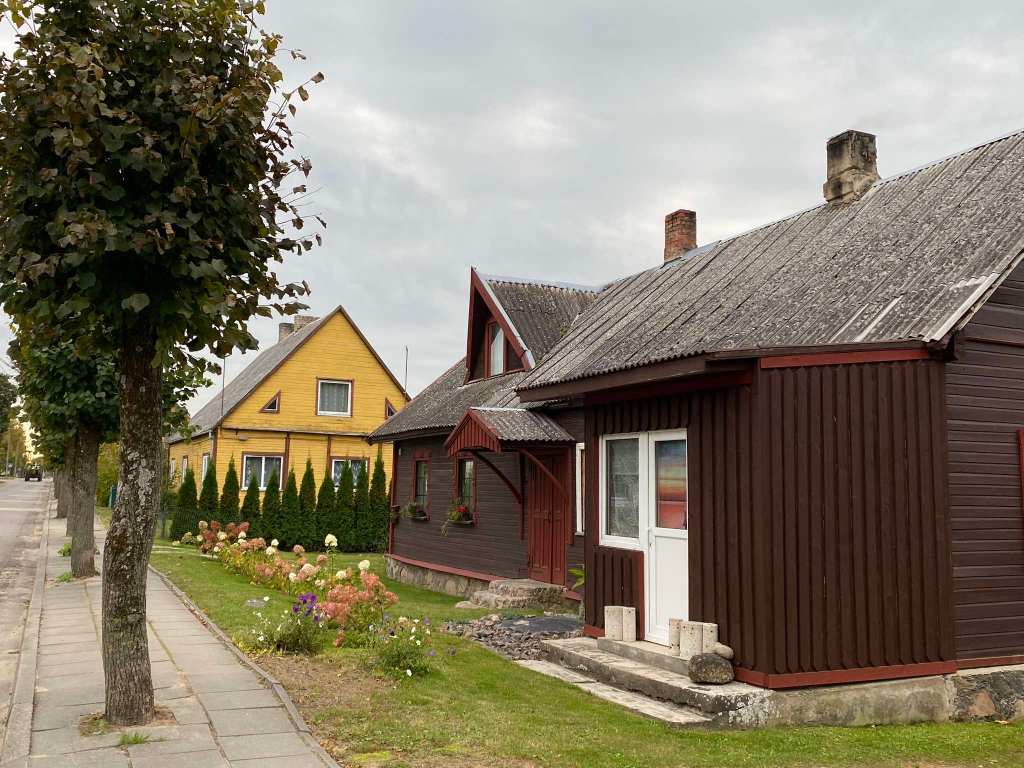
My first stop was in Subačius town. There are two Subačius next to each other. Old Subačius was first mentioned in the 16th century. Before WW1, it was an important town on the road between Panevėžys and Kupiškis.

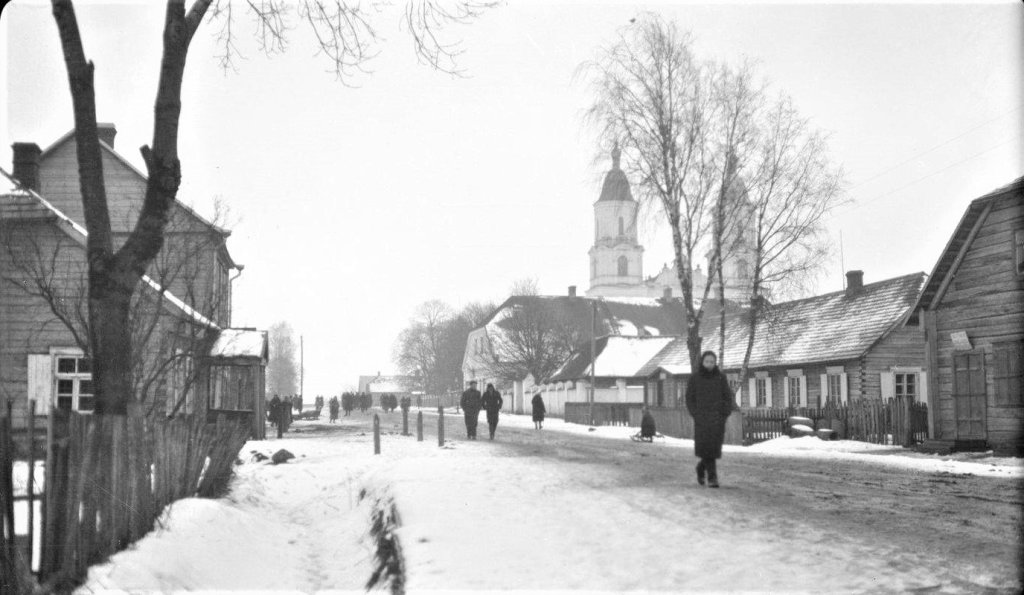
The current Šermukšnių street (earlier Vytauto street) was the main street of the town. Jewish artisans and merchants lived here. In 1897 out of 840 town dwellers 376 (45%) were Jewish.

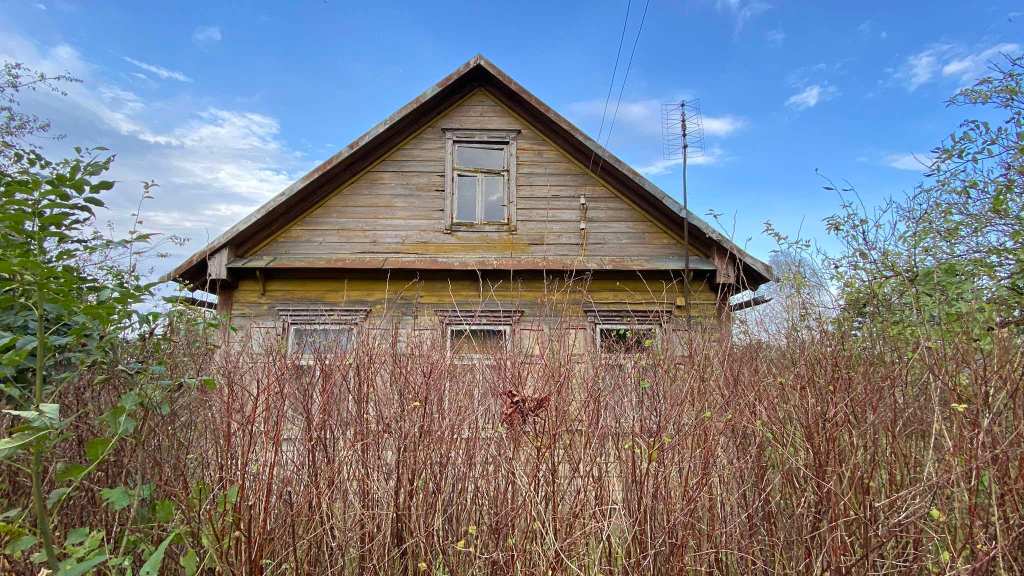
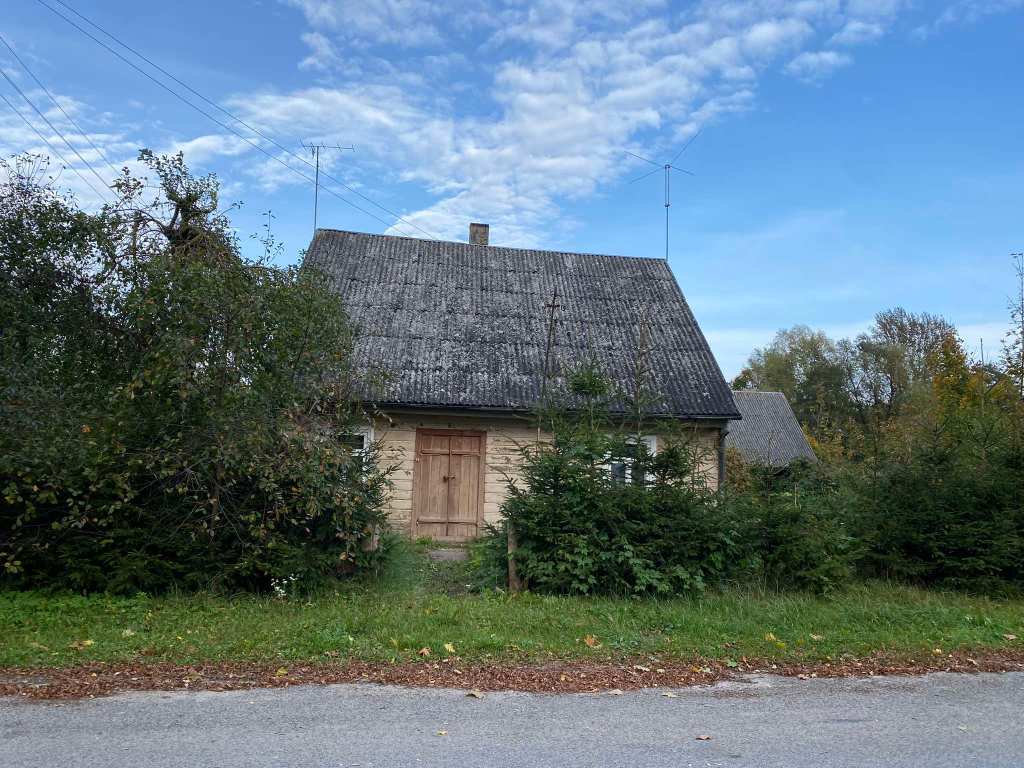

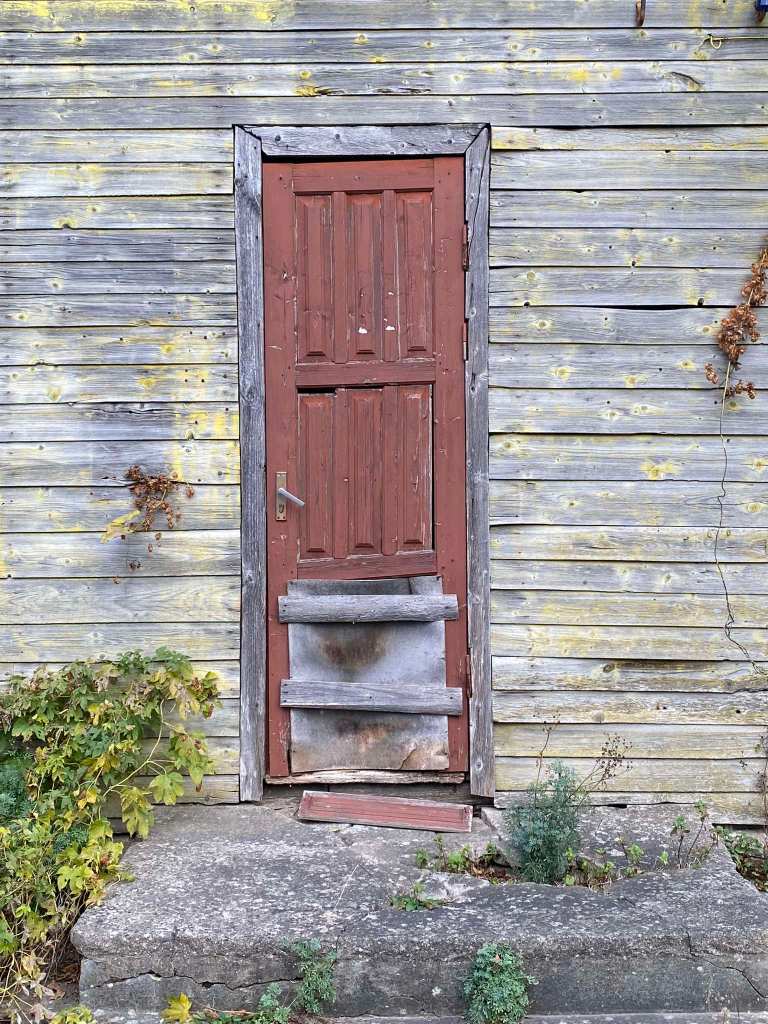

Before the war, there were 7 Jewish shops and 3 restaurants in the town. As in the independent Jewish community there were two prayer houses, a school, and a Jewish bathhouse. There was also a cemetery. A rabbi and a butcher lived here.

In 1873, a part of the Daugavpils-Radviliškis railway tracks was laid. A railway station was established nearby and it took the name of the town. Soon new Subačius became the main trading center and step by step the post office, county departments, police, pharmacy, etc. were moved to the new town.
The old town lost its importance over time. Meanwhile, the new town grew. It became bigger than the neighboring towns of Kupiškis, Raguva, and Vabalninkas.

According to Dov Levin (Pinkas ha-Kehilot Lita), the Jews of “old” Subacius, saw themselves as of high degree. They refused to accept the new reality. The rabbi had moved out of the “old” town after a lengthy struggle. This struggle was between the “new” and the “old” important men. At about the same time, emigration to South Africa increased.


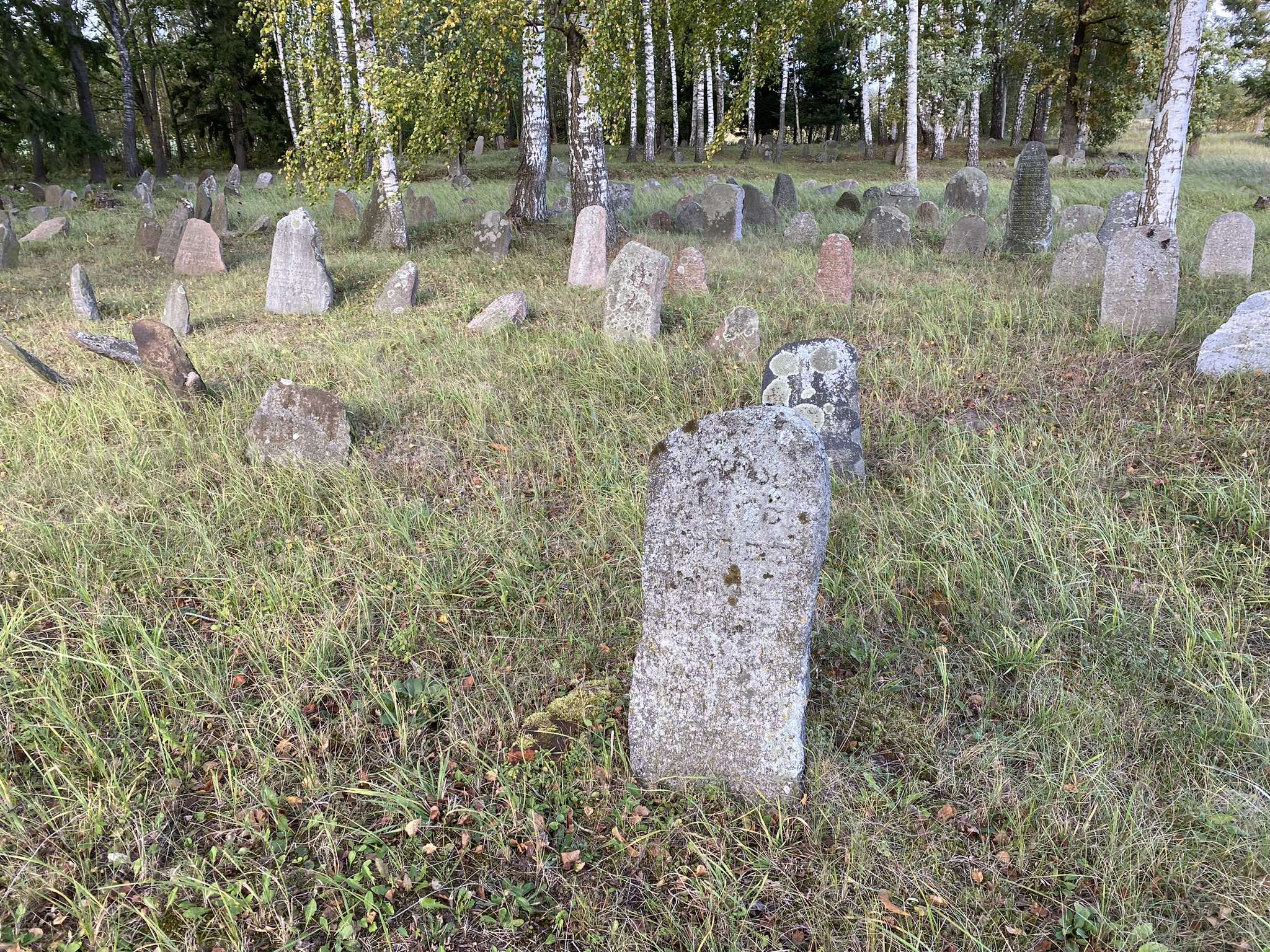
There is an old Jewish cemetery near Subačius town, maybe a kilometer away. Fragments of about 200 macevas still could be found here.





In colorful October, even the road to the site of the massacre does not seem so gloomy. Maybe the path to this forest looked similar in the tragic summer of 1941.
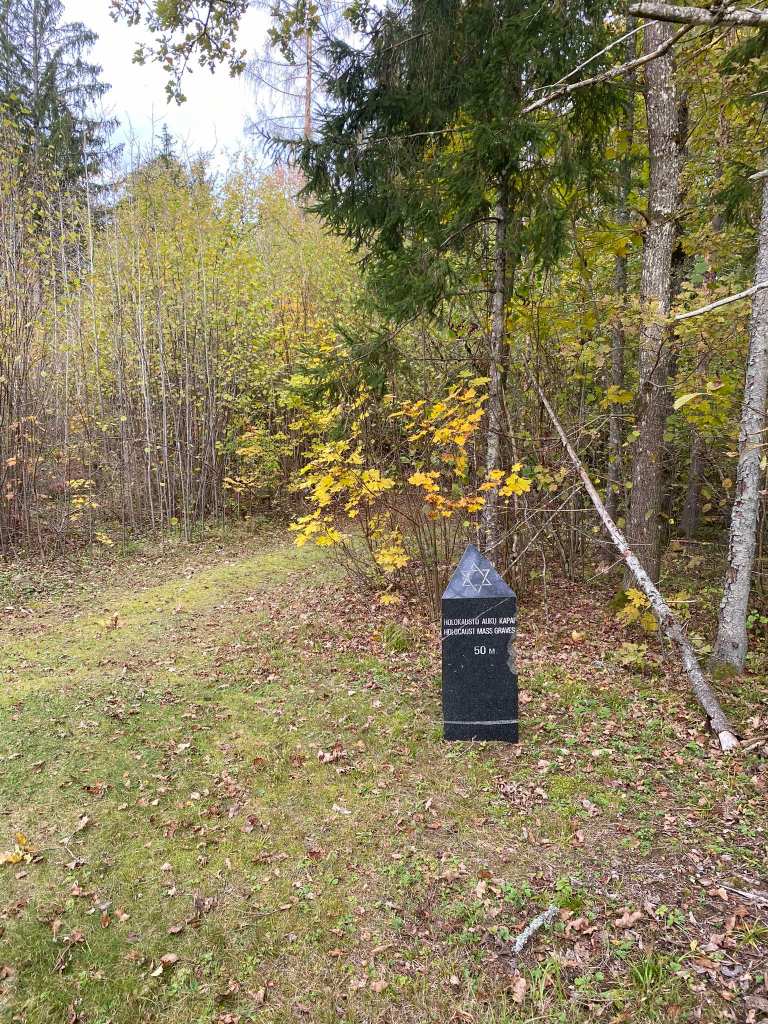

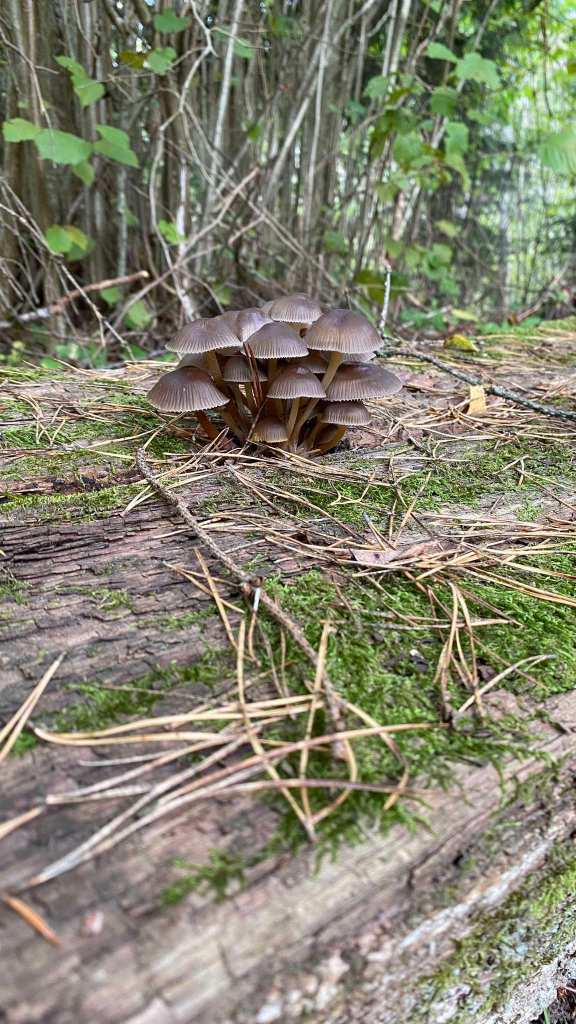
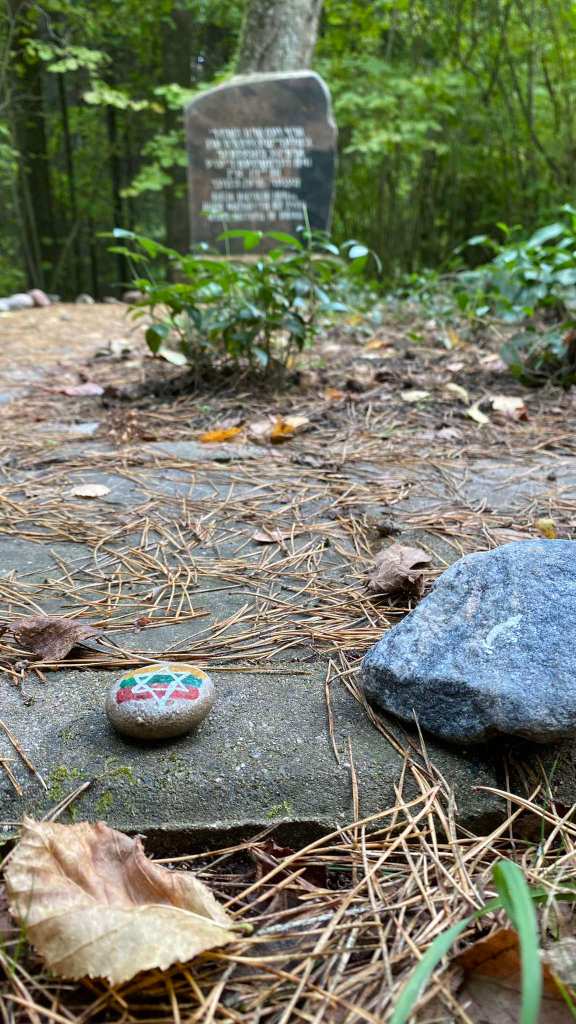

About 80 Jews of Subačius were shot here: men, women, and children. All others were taken away and murdered in Kupiškis. We will never forget.
Resources:
- “Subacius” – Encyclopedia of Jewish Communities in Lithuania
- Buildings and monuments of the Jewish Community of Kupiškis region. Compiled by Aušra Jonušytė, 2017.
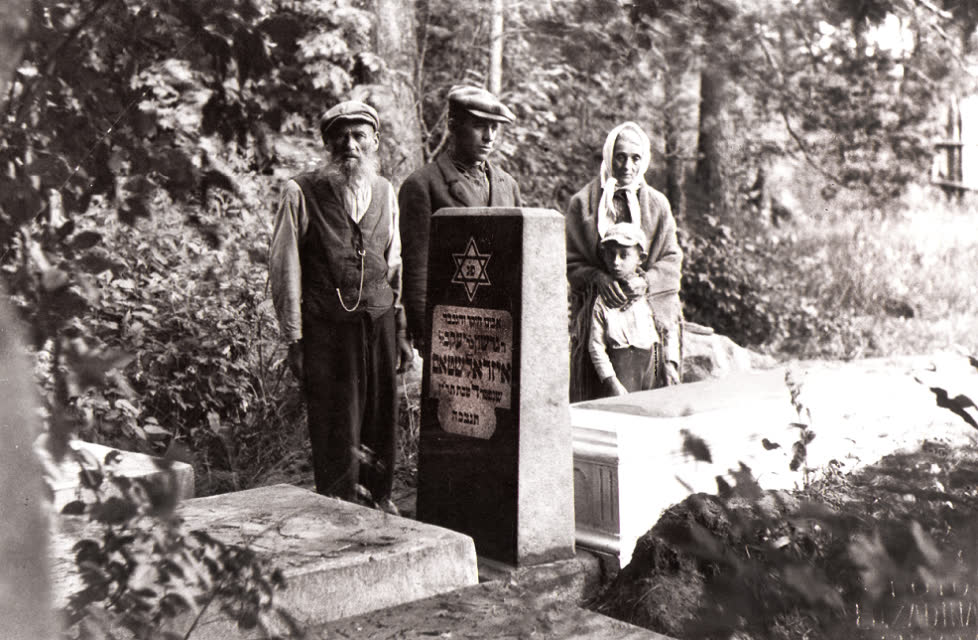
- Old Subačius pictures are from South African Jewish museum and Lietuva senose fotografijose
 Litvak Shtetls