
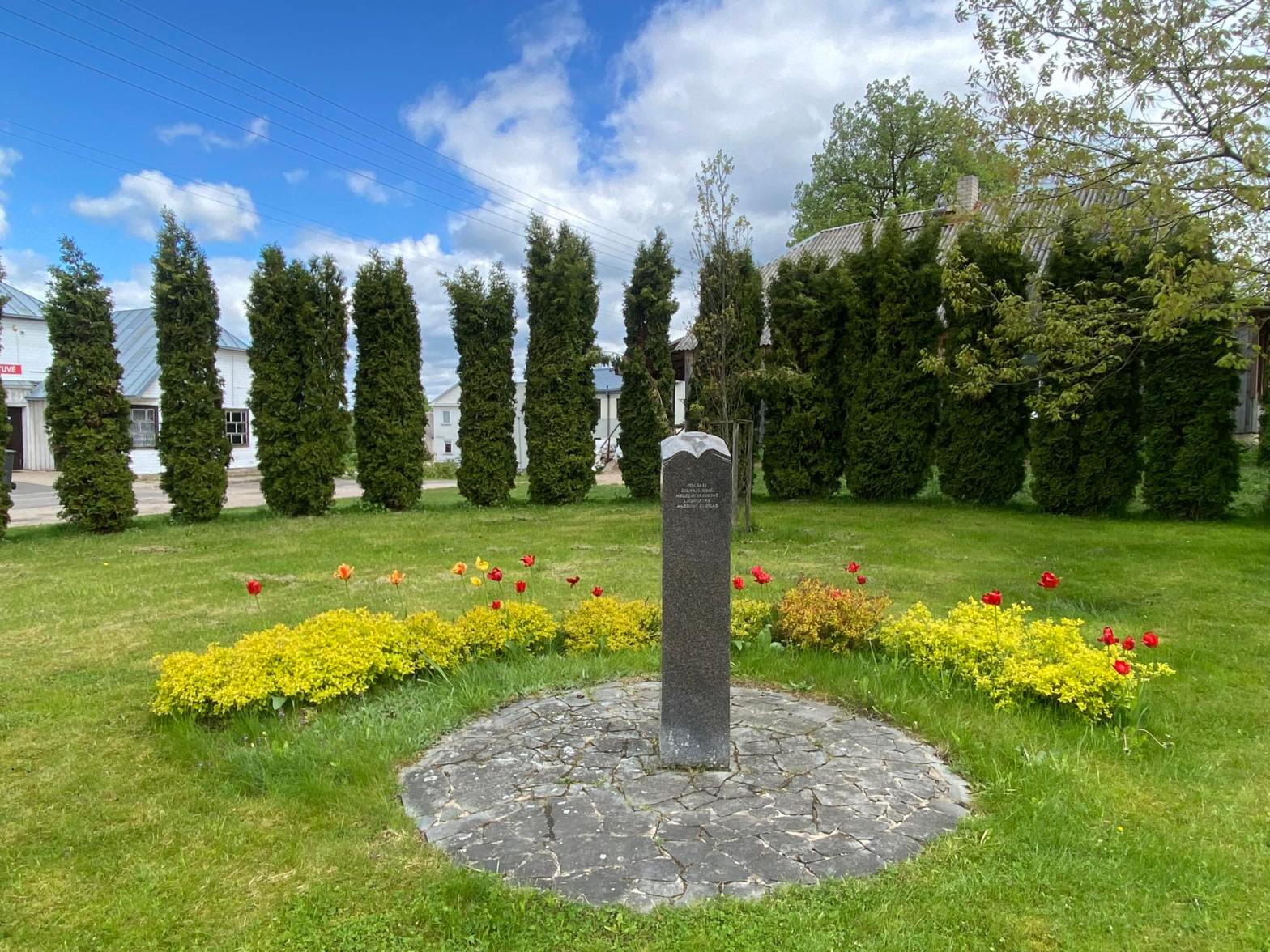
Želva is a small town near Ukmergė (Vilkomir). Until I began researching Litvak heritage, I had heard practically nothing about Želva. In 2018 I visited the town for the first time as a home town of world famous Aaron Klug. Since then I have been here for four or five times.
Želva was famous for its horse trade in the 19th century and horse racing in the 20th. That’s why the coat of arms of the town is a horse: half silver racing horse and half black working horse.

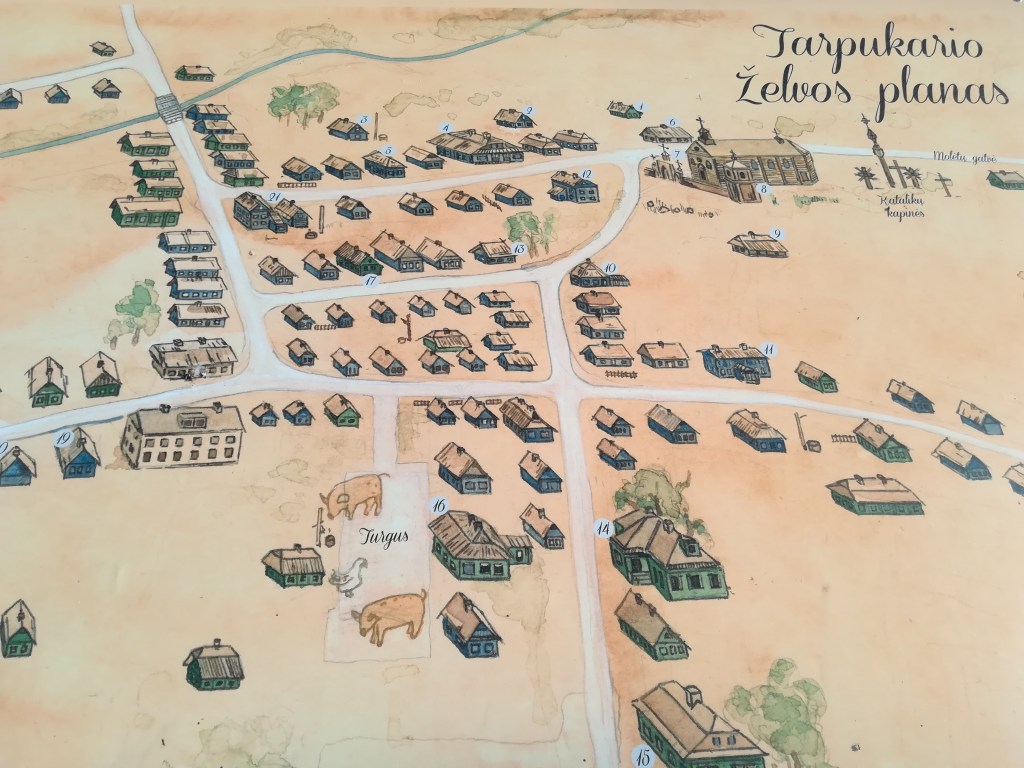
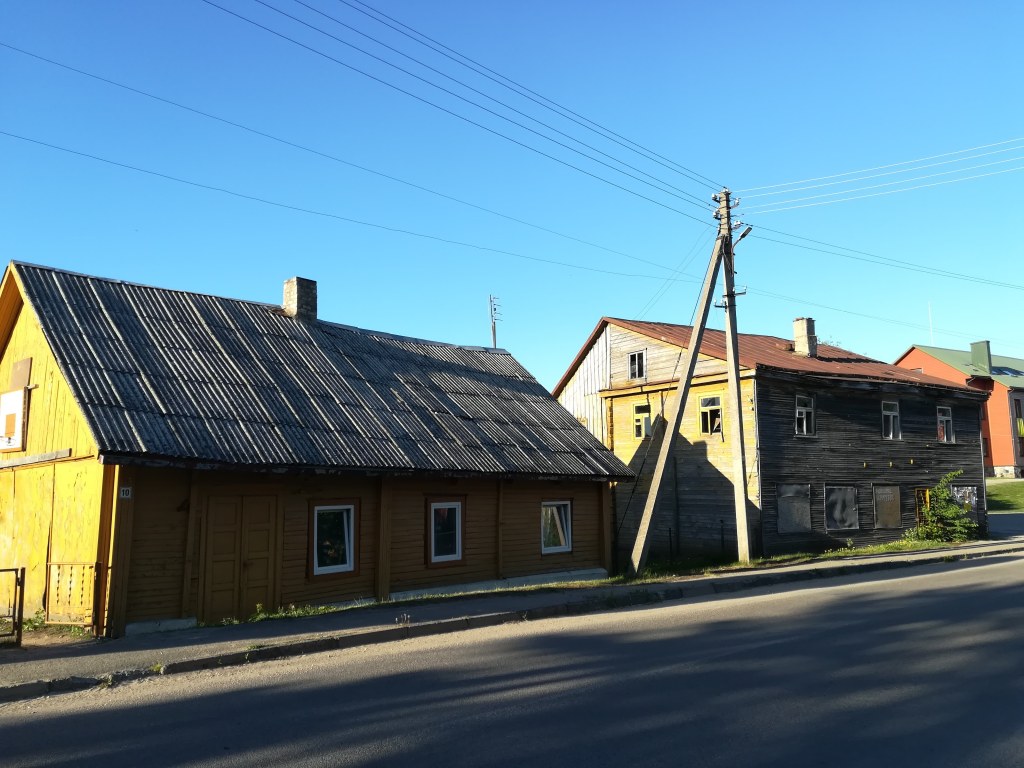
The centre of Želva is surprisingly tidy and the Jewish heritage is protected as much as the town is able to do it at its own expense. Many old wooden houses are still present. There is a map of Želva in early 20th century, drawn by artists basing on people’s memories. By re-photographing it I was able to discover the Jewish houses and to imagine the life of the shtetl before the IIWW.
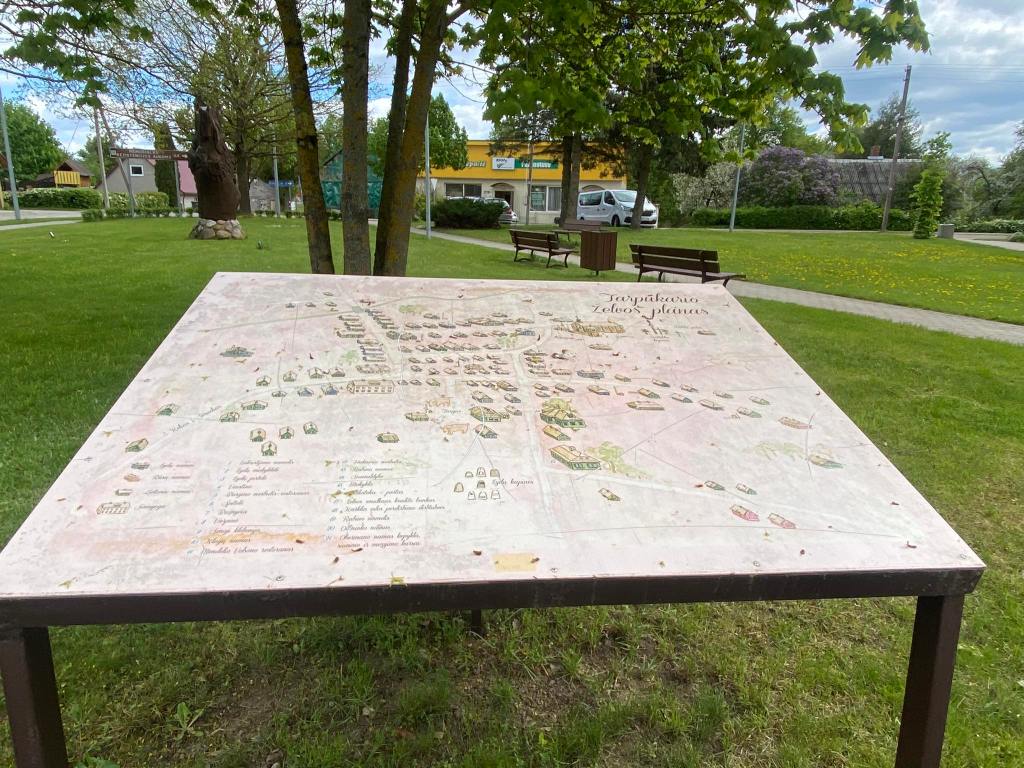

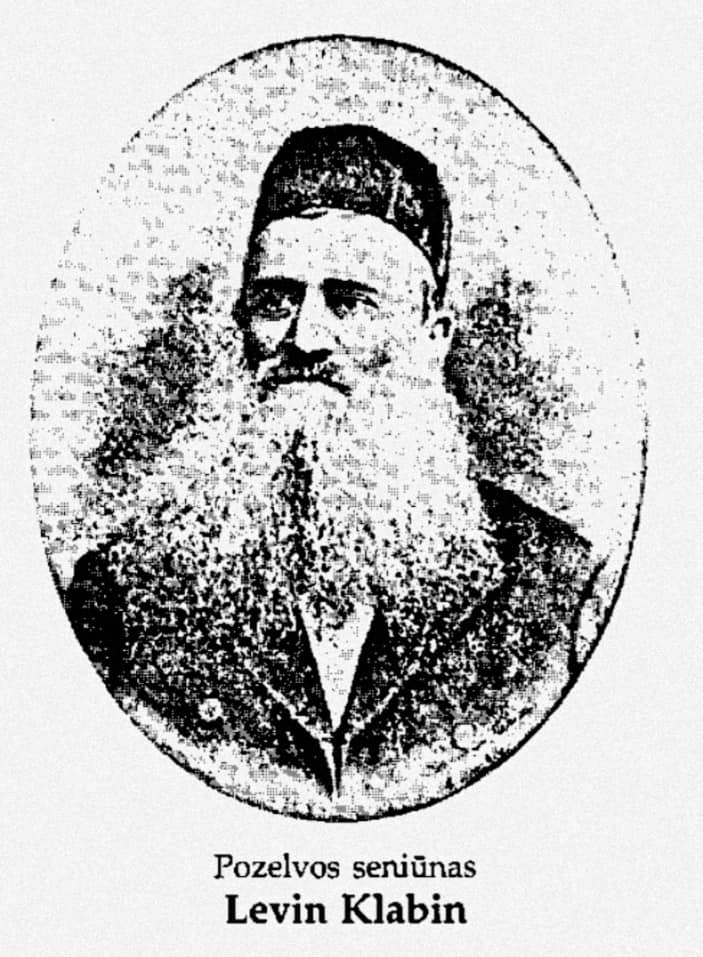
According to the sources, Želva (or Podzelve in Yiddish) is one of the oldest Jewish shtetls in Lithuania. Jews started immigrating here in the 16th century. In the end of the 18th century 144 residents (out of 166) were Jewish. Even the elder, starosta of the town, was Jew Levin Klabin.
At the end of the 19th century about 1000 inhabitants (924 to be exact) lived in Želva, 70% of them were Jews. Before the IIWW due to the economic crisis and all kinds of anti-Semitic actions, the number of Jews dropped to 400.
Želva Catholic Church of Ignatius of Loyola is located away from the center, but is visible and the bells can be heard from afar. The town century was donated to the Jesuits in the 18th.
According to legend, there was a tavern on the hill at that time. The monks did not like drunk songs that spread from here, so they demolished the tavern, cut the surounding trees and built a church. This is how the wooden church appeared here in 1753. The present beautiful yellow building was built after the last fire in 1892.
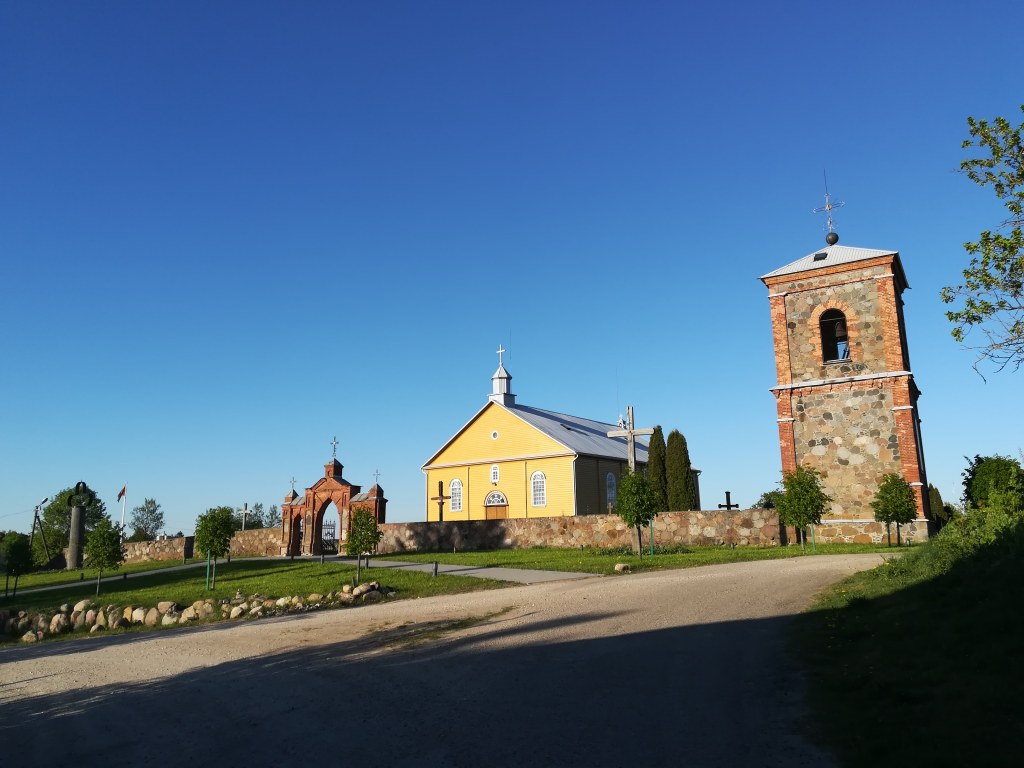
On the contrary, the synagogue is situated at the very center, presently hiding in lilacs and apple trees and deteriorating year by year.
In the past, there were two stone synagogues in Podzelve: Misnagdim on one side of the road and Chasidim on the other.


There were two rabbis in Podzelve, too. One small woden house near synagogue still exists. The other was somewhere closer to the church. The town’s last Rabbi, Ariye Leib Levi, was killed along with other Jews from Podzelve during the Holocaust.
The rabbi of Podzelve in the 18th century was Moshe of Podzelve, a brother of famous Gaon of Vilnius.

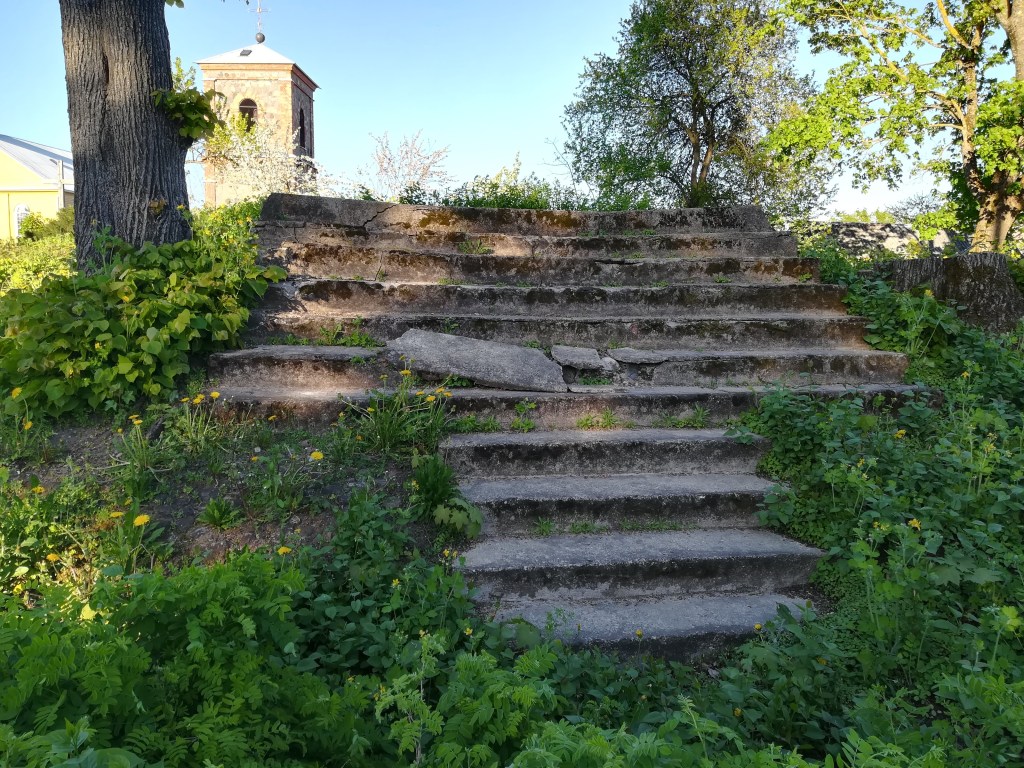
There was a Hebrew school Javne in Podzelve. 40-60 children studied in here. The school was probably close to the Catholic Church, a teacher Hirša Stokolis worked here. Some Jewish children attended a Lithuanian school. Lithuanian and Jewish children were playing together, and Jews were cheering for Lithuanians with candy and bagels. No-one believed, that Jews use the blood of Lithuanian children to bake matzot

As of matzot (Passover bread), there was a real matza baker, Hercė, in Podzelve. Generally speaking, the vast majority of the craftsmen and tradesmen in the town were Jews. According to documents and witnesses, there were at least a few Jewish-owned wool cardboards (people in nearby villages had sheep), ironmonger shops (one could buy everything-from-needle-to-harrow), 4 Jewish blacksmiths, tanner Šlioma Kartlinas, three shoemakers (Bencė, Josefas, and someone else), tailor Akaronovičiius, baker Leike, a bookbinder, a watchmaker, pharmacist Izakas, an oven maker, a carpenter, butcher Velvel, and probably many more. Leather, grocery, kerosene, shoe stores also belonged to the Jews. A few families lived off of agriculture


Želva visitors from neighbourhood villages were amazed by the two-story buildings. They belonged to the Jewish Burginas, an owner of the restaurant and hotel, and Ulfa, who rented the cellar to the bread bakers and the attic to the knitting course organizers. His family lived on the ground floor. The third two-story house was situated near the central market square, it‘s owner was Mendel Wolfson.
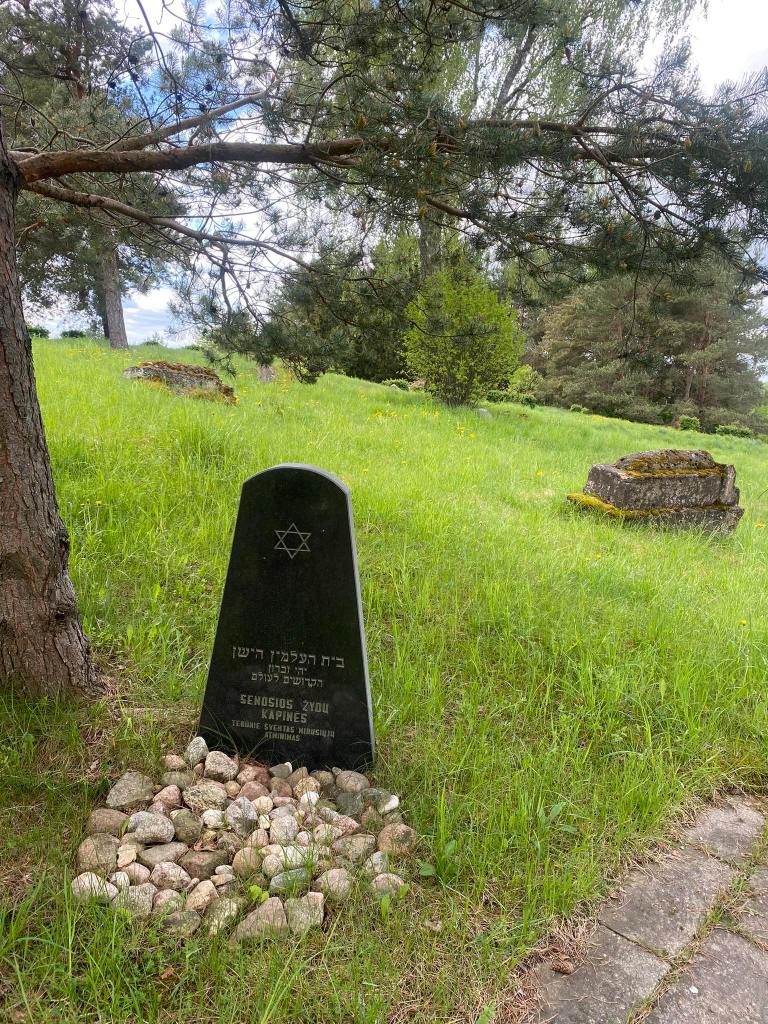
The Podzelve Jewish cemetery was nearby, and people from the surrounding towns were also buried here.
It is believed, that until the 18th century the Podzelve Jews used Vilkomir Jewish cemetery. After they decided to have their own cemetery in Podzelve, they made the Vilkomirians so angry that they even were exorcised them from the Vilkomir Jewish community.
Some of the graves have survived to the present, the cemetery is more or less preserved.


A bit further in the cemetery there is the memorial the Holocaust victims. About 60 Jews and 2 Lithuanians were shot dead by local white-stripers (baltaraiščiai). The others were transported to the Pivonia forest of Vilkomir. The locals were told to take their Jewish neighbors by carts to the forest, and they did.


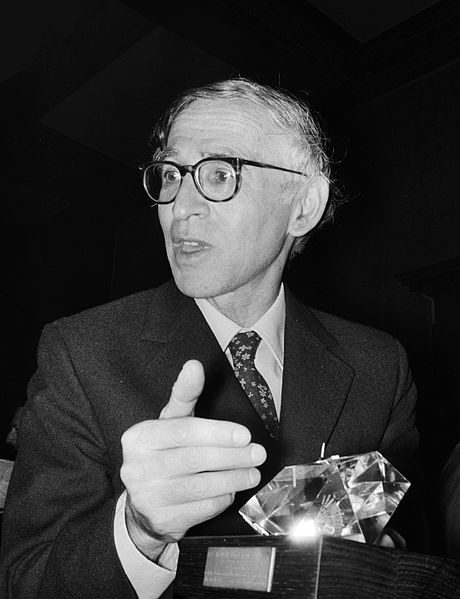
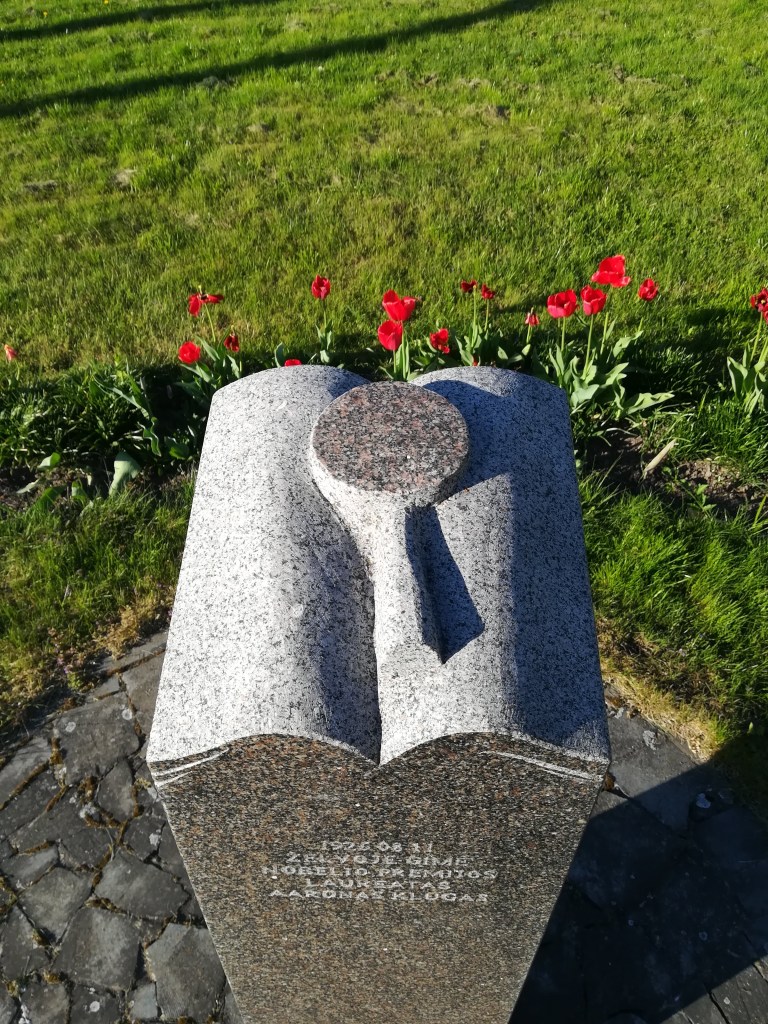
Nobel prise winner Aaron Klug was born in Želva and raised to 4 years old. His family moved to South Africa. Later Aaron Klug moved to England and until his death in November, 2018, he worked in Cambridge. He was awarded the Nobel Prize in 1982 for his invention of crystallographic electron microscopy. He has never returned to his homeland anymore, but his son David has.
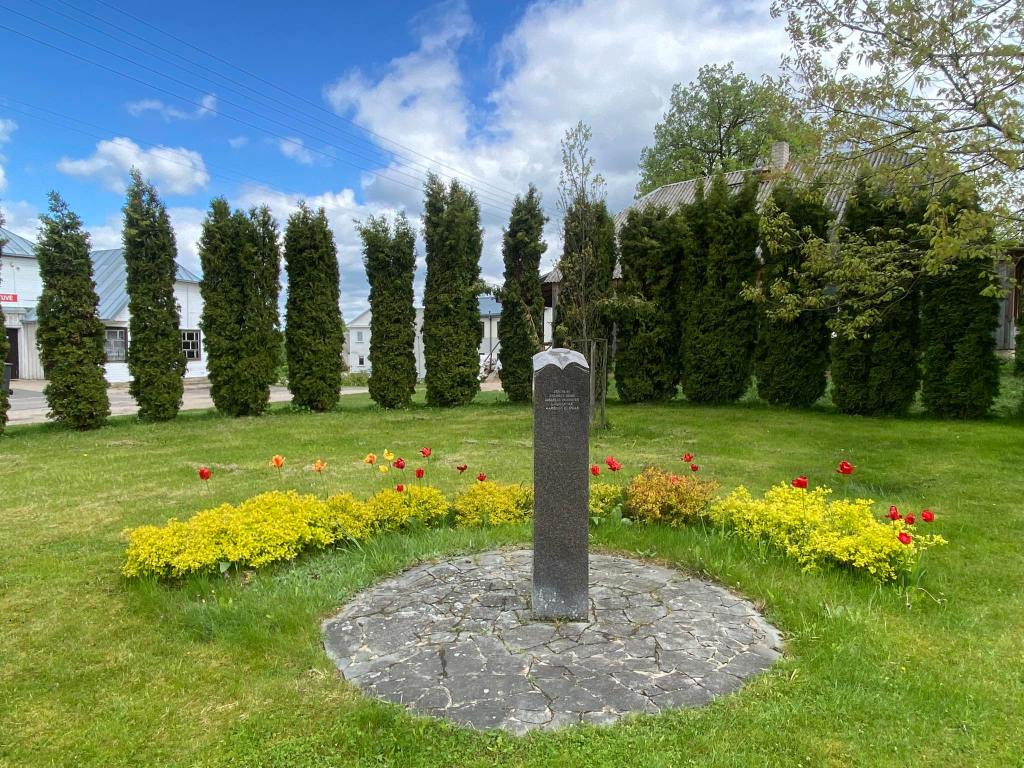
In 2005, a monument was erected to Mr. A. Klug by Vaidas Ramoška, a famous sculptor also born in Želva.
While walking around Želva, I realised the town is very comfortable for a virtual tour. If you are interested in participating in such a tour, please fill out the form below and I will invite you when I am ready.


The photostory is based on various gossips, chats, and some published resources, mainly from listed bellow:
- Zita Kriaučiūnienė, Rasa Povylienė „Pasakojimas apie Želvą“. Ukmergė, 2005
- Solveiga Ridzvanavičiūtė „Ko nepasakys pilkieji akmenys…“ (Moksleivių darbų konkursas „Mūsų senelių ir prosenelių kaimynai žydai“ Trečioji knyga) Vilnius, 2007
- Pinkas Hakehillot Lita: Podzelva https://www.jewishgen.org/yizkor/pinkas_lita/lit_00449.html
 Litvak Shtetls