

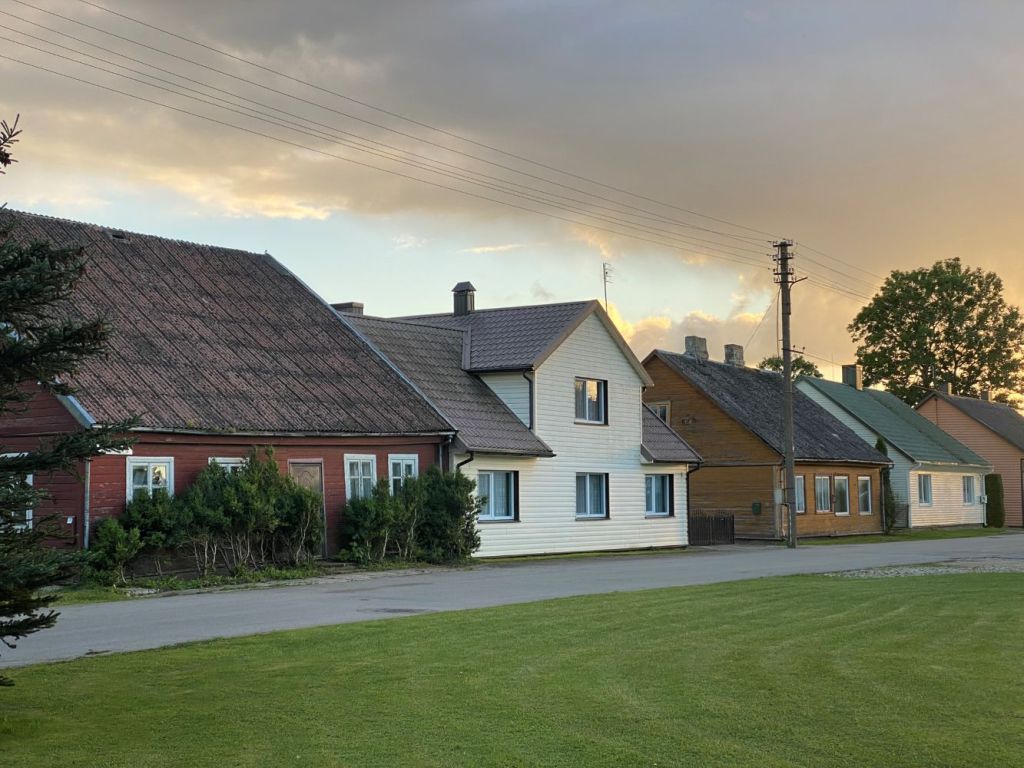
Seda, a small town in Žemaitija, is first mentioned in historical sources in the early 16th century, although it is often associated with the 13th century. The town’s name likely comes from the nearby Seda or Sedula Lake.
Since the 15th century, Seda had a manor and a small town, owned by various noble families including the Bartoševičius, Vnučkas, Striaupis, Sapiegas, and Gadonas. In 1500, Seda belonged to Vaclovas Bartoševičius, a local nobleman. After his death around 1545–1548, the manor passed to the Mackevičius family, and in 1571 it was purchased by the Vnučkas. In the 15th–16th centuries, Seda gained importance as a trading center on the border with Livonia. In 1508, a parish was established, and in the early 16th century a church was built near the manor.
In the mid-17th century, D. Straupis obtained privileges for Seda to hold Monday markets and four annual fairs, which encouraged economic recovery. Although Seda never received Magdeburg rights, its population and trade were diverse, including Lithuanians, Germans, and Jews. The town suffered during the mid-17th-century wars, including the Northern Wars, but recovered by the late 18th century. In 1780, a new trade fair privilege was granted. After the 1831 uprising, the Sapiegos’ estates, including Seda, were confiscated. By the late 19th century, Seda was part of Kaunas Governorate, Telšiai District, with roughly 40 shops, 20 taverns and inns, a mill, and a post office.

During the interwar period, the town was economically active: it had a power station, an agricultural cooperative, two sawmills, and several food processing enterprises. In 1930, a monument to Vytautas the Great was erected on the former Seda manor grounds.
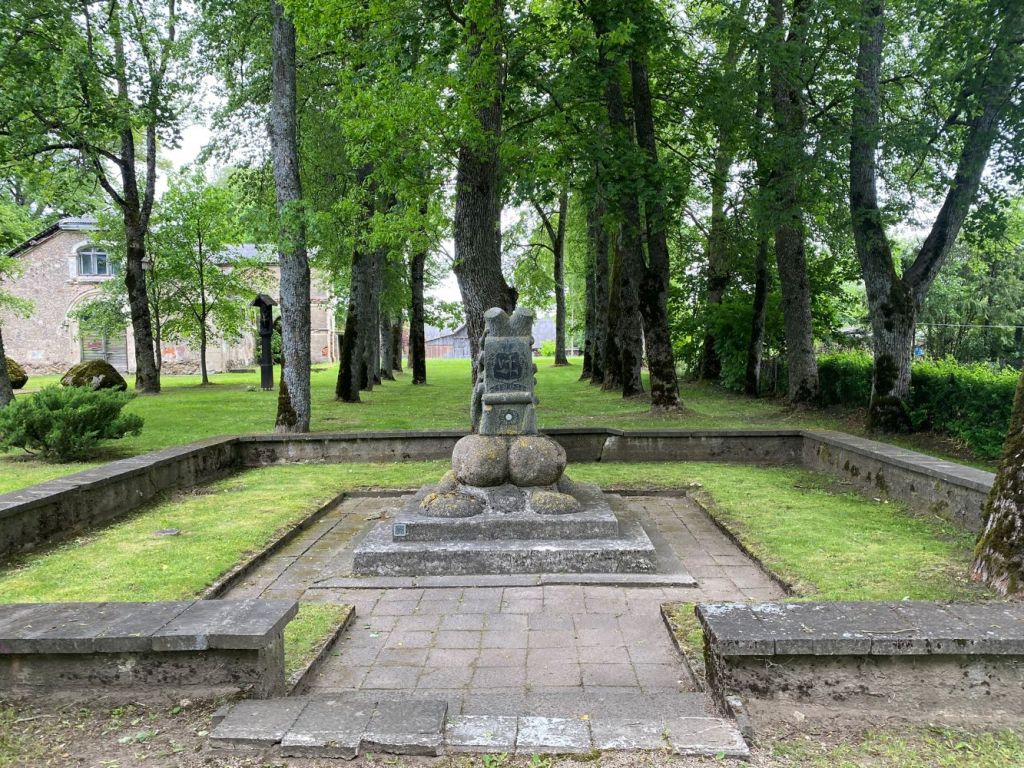
Seda retained its status as a district center during the interwar period, under Soviet rule, and during the Nazi occupation (1941–1944). On October 6–7, 1944, the town became the site of the Battle of Seda. In 1950, Seda was granted town rights and remained a district center until 1959.
Today, Seda is a town in the Mažeikiai district with a population of 816 (2025).
The Jewish Community in Seda
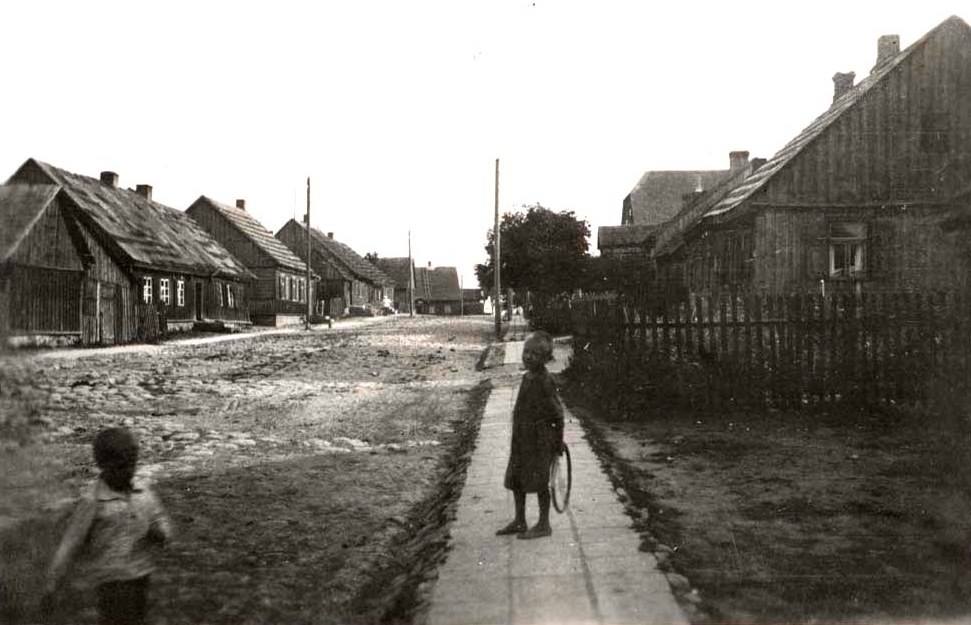
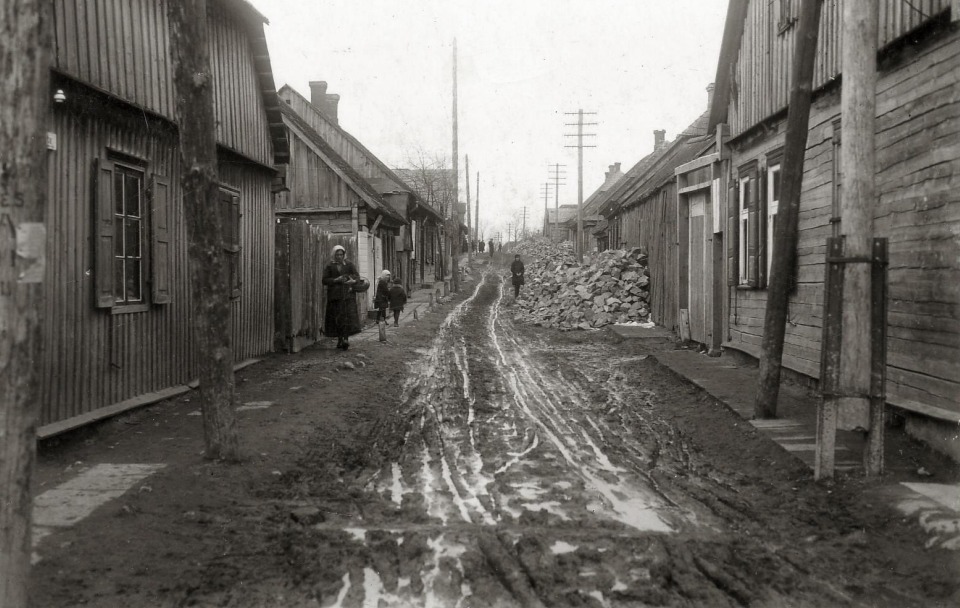
Jews likely settled in Seda after the Swedish War (1655–1660), when the town had been largely depopulated. The earliest known census dates to 1657, when out of 52 households, 15 belonged to Jews, about 29% of the town’s population. By the late 18th century, Jews had become concentrated in the town center, around the market square, now J. Basanavičius Street.
In the mid-19th century, another Jewish residential area emerged in Seda, the so-called Žyddvaris. After the 1830–1831 uprising, in which the owner of the Seda estate, Gadonas, took part, his estate was confiscated. Between 1842 and 1846 the Tsarist authorities sold off the former estate plots, most of which were purchased by Jews, forming a new settlement that came to be known as Žyddvaris.
The Jewish population of Seda grew over time: in 1868, 557 of 1,051 residents were Jewish (53%); in 1897, 1,384 of 2,338 (69%). After the World War I it significantly decreased, but in 1923 it reached 670 of 1,851 (36%). Just before World War II, nearly 500 Jews lived there.
Jews dominated trade, craft workshops, and agriculture. By the late 18th century, the Jews of Seda constituted the clear majority in the town center. They rented small shops around the market square and took part in constructing buildings and developing the manor’s infrastructure, including the Seda mill.

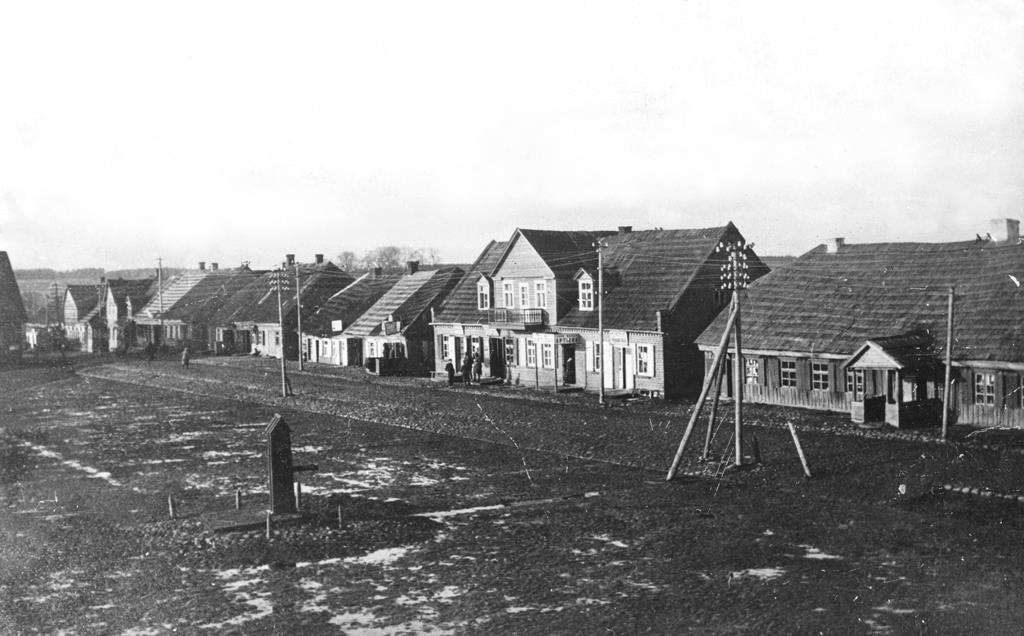
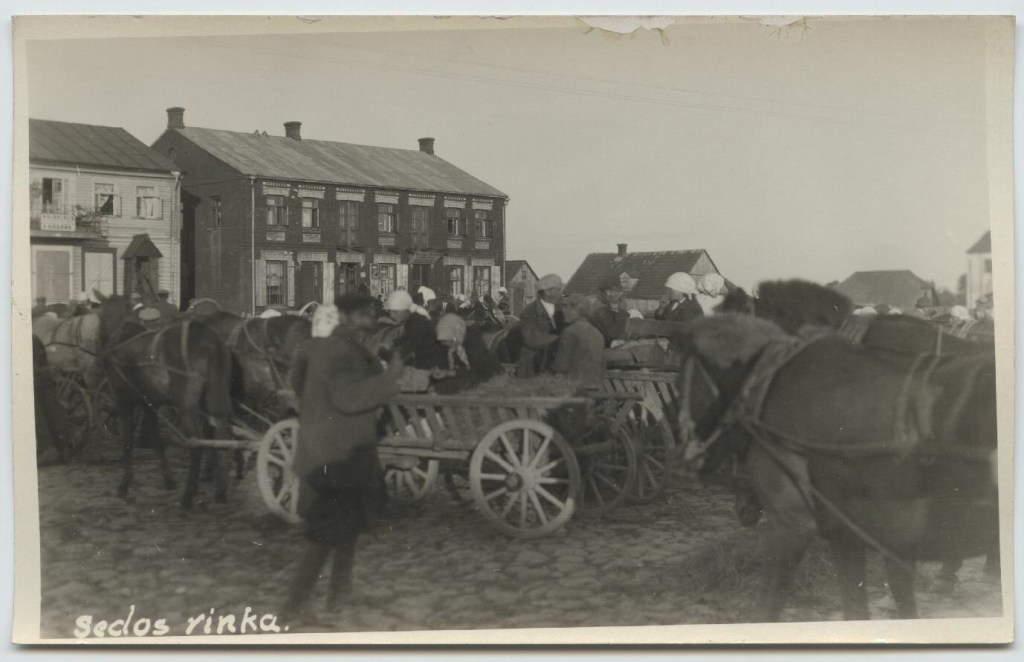
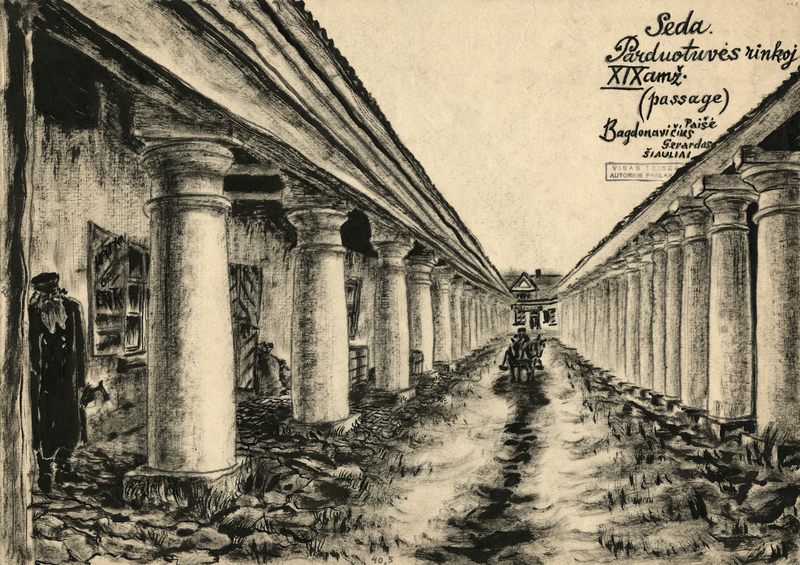
As early as the late 18th century, two long rows of wooden, tile-roofed shops stood in Seda’s market square, later replaced by a brick building housing 28 shops. These market rows, called kromai, were so remarkable that they were depicted by artists G. Bagdonavičius and Mstislav Dobuzhinsky, and in the 1938 tourist guide Guide to Lithuania, they were recommended as one of the town’s two main attractions – alongside the church! Once stretching over 60 meters, the complex was demolished during the Soviet era.


In the first half of the 20th century, Jews controlled most of the town’s trade and service sectors: food, textiles, leather, manufactured goods, restaurants, hotels, medical services, and legal practice. S. Dovidavicienė, Faitel Kagan, and Zure Tigeraite ran metal goods shops; there were five textile stores, four butchers, one dishware store, and two colonial goods shops.

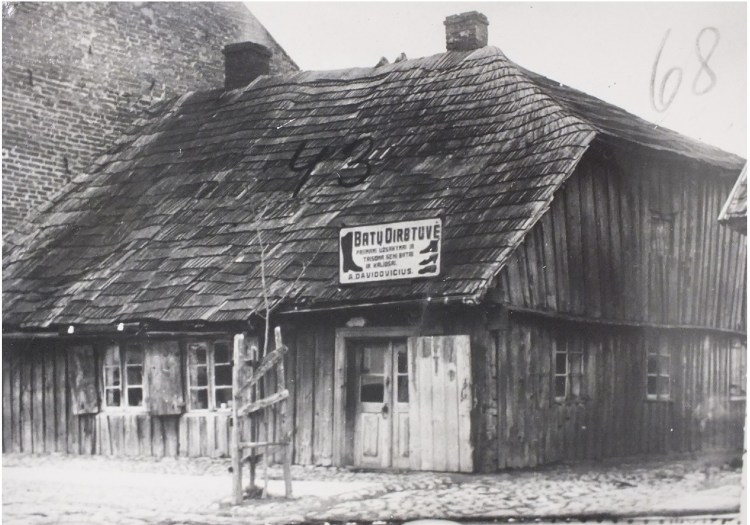
M. Ceitelis ran a restaurant, and R. Neimanaitė operated a tea house. Wool workshops were owned by B. Gerliach and K. Yakom; leather processing and trade were handled by Leizer Binder, Shia Salman, and Chackel Levit. Moishe Zivon was a watchmaker, Hesel Luria and Irsha Miel ran hotels, and transport services were provided by Israel Bunis and Leizer Kroch.

Doctors included S. Sauchatas and S. Trusfusaite–Jofiene; dentistry by I. Kuchmeisteryte–Binderiene; and the local lawyer was Joffi Aroma.
In 1927, the Jewish bank Folksbank operated with 154 members, along with a Credit Association branch serving Jewish farmers.
The Yavne primary school operated with 65 students. Jewish children in Seda attended not only their own community school but also the general school alongside Lithuanian pupils. Between 1929 and 1934, Jewish students made up 10–17% of the total enrollment, usually about 5–10 out of 50–70 pupils.
In 1930, the Seda secondary school authorized the creation of a separate scouting troop for Jewish students. From 1934, Jewish religious instruction—Moses’ faith—was also introduced. The classes were taught by Michel Wolfson, the head of Seda Primary School No. 2 (the Jewish primary school). He held official permission to teach Jewish religion, granted by the Executive Committee of Lithuanian Rabbis.
Various charitable, Zionist, and sports organizations such as Maccabi, Hapoel, HaShomer HaTzair, and HaTzioni HaTzair. In 1920, a community council (Va’ad) was established to oversee social, educational, and religious activities.


Seda Synagogue and Rabbis
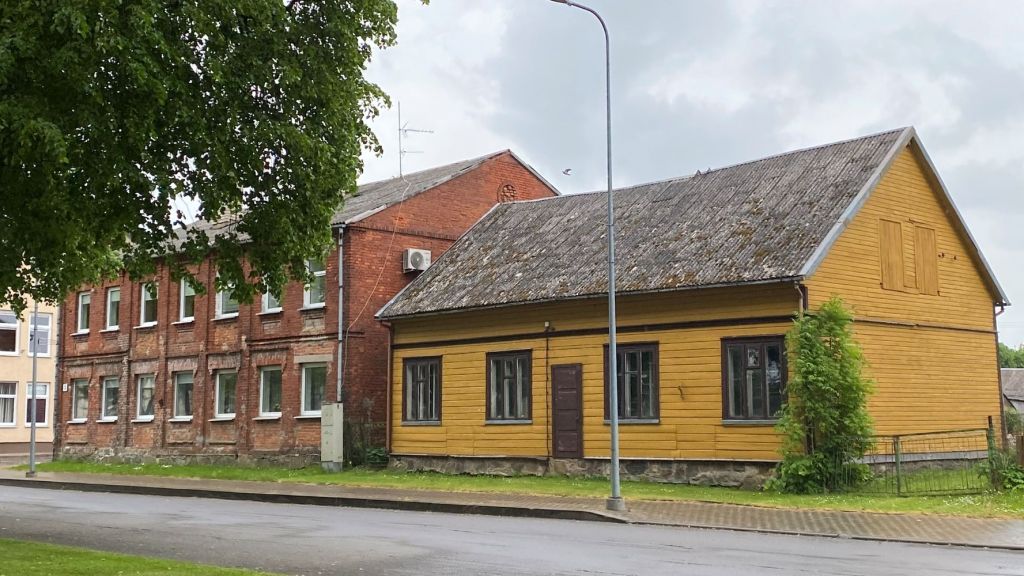
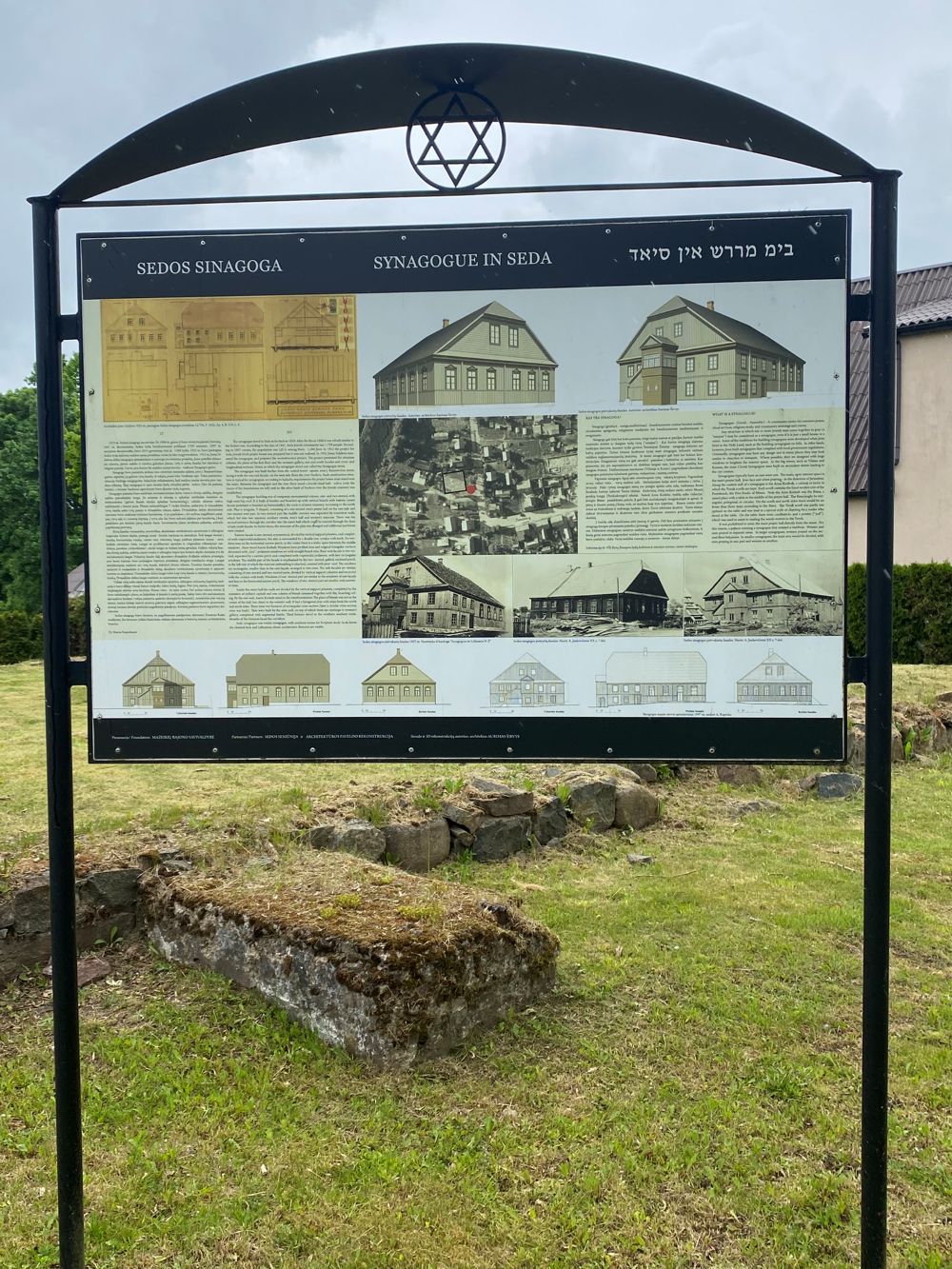
The first Seda synagogue is mentioned in 1657, later in inventories of 1694 and 1764. It stood away from the marketplace, parallel to the oldest town street (today J. Basanavičius Street), on land owned by Moses Samuilovich. In the mid-18th century, Jews paid the manor 8 timpas for the buildings.
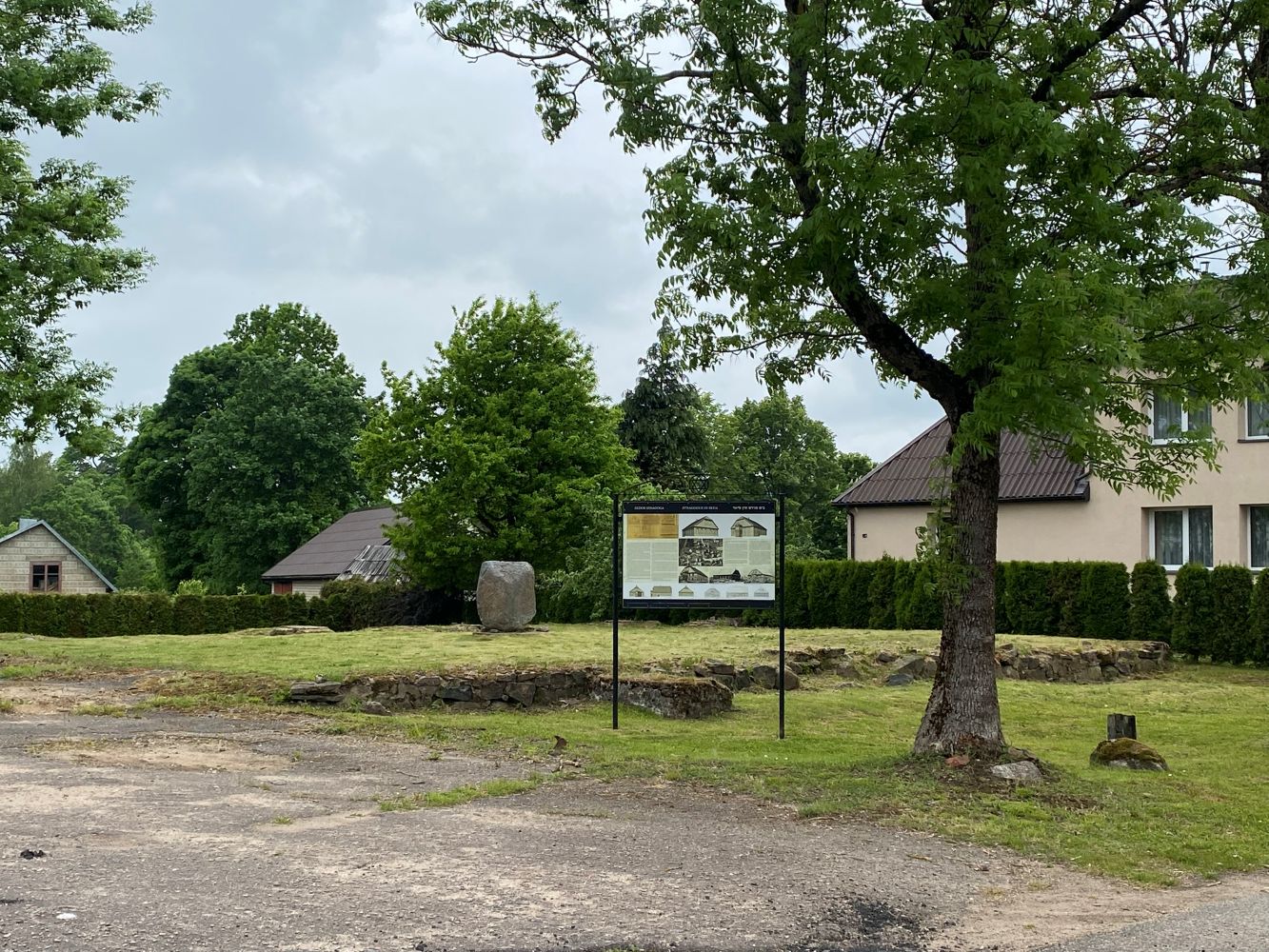
Plans for a brick synagogue in 1923 were never realized. The last wooden synagogue was rebuilt in 1935, oriented east–west, with the Aron Kodesh in the east and the entrance in the west. The building was an irregular rectangle with a women’s upstairs gallery. After the war, the interior was completely destroyed, later used for communal apartments and a sports hall. In 2012, the synagogue was demolished, though fragments are displayed at the Šeduva Museum The Lost Shtetl, and a stone monument with an information plaque now marks the site.


Seda rabbis included: Abraham ben Nisan Luria (late 18th–early 19th century), Yonelis Isaac ben Mordechai Katsenelenbogen (1809–1891), Natan Note ben Samuel Tzvi Poizner–Noimark (~1850–1860), Dovid Regensburg (~1860–1880), Israel Ezdra Levin (1853–1903), Aron ben Yakov Tzvi Folkin (1865–1942), and Mordechai Rabinovich (he was killed in 1941).
A ritual bath (mikvah) mentioned from 1819 was located next to the synagogue, close to Varduva River.
Notable Jews from Seda

Photo: Wikipedia
Yaakov Geri (1901–1974) was an Israeli lawyer who served as Minister of Trade and Industry. Born in Seda, he later moved to South Africa, where he studied law and humanities and worked as a lawyer. In 1934 he emigrated to Mandatory Palestine and joined Dov Yosef’s law firm, later becoming secretary of the Africa Palestine Investment Company. On 1 November 1950 he was appointed Israel’s Minister of Trade and Industry in David Ben-Gurion’s second government, a position he held until 8 October 1951. Afterward he headed a group of South African companies operating in Israel.
Jewish Cemetery in Seda
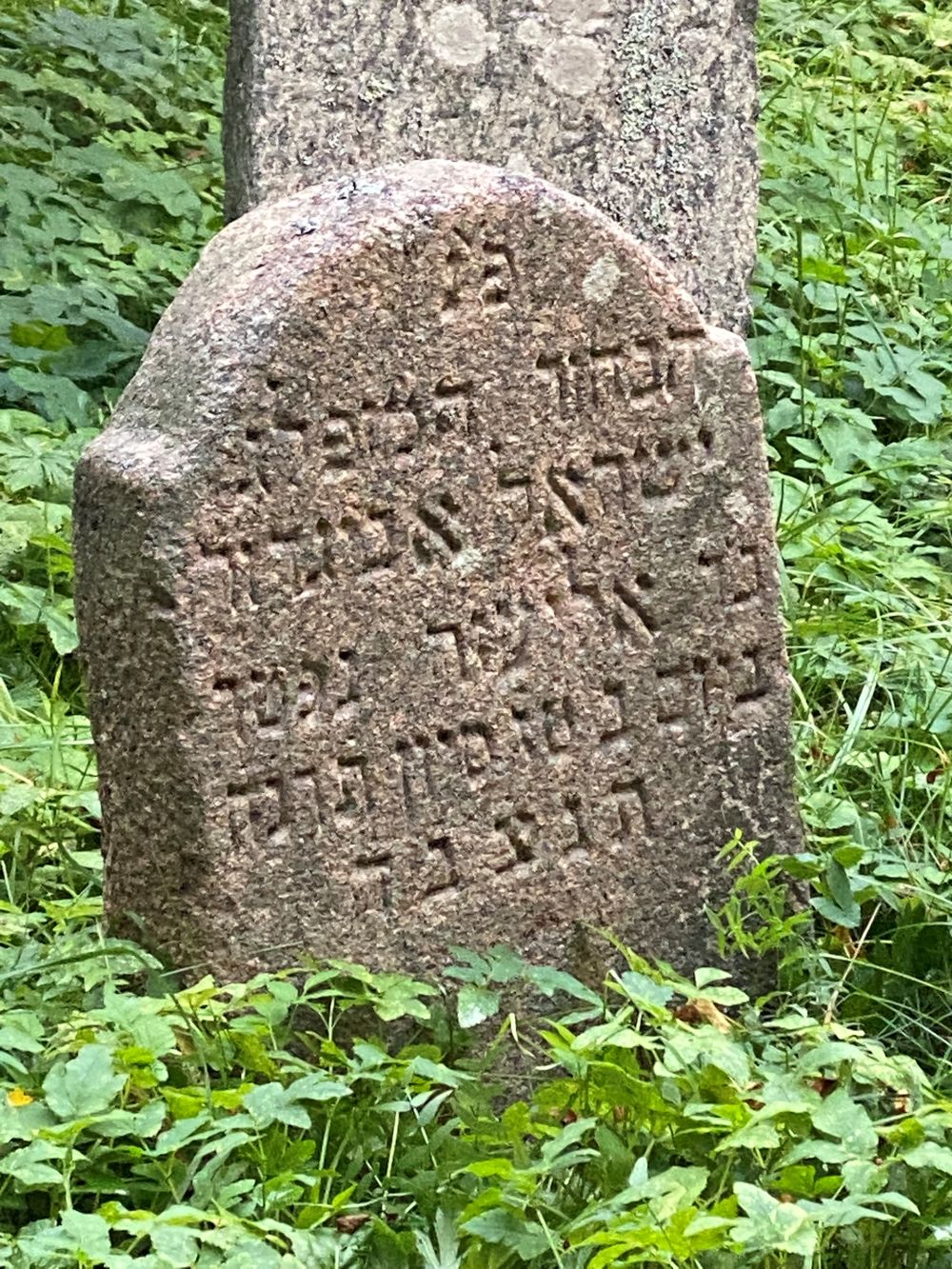
The Jewish cemetery, noted in the records from 1657, occupied about 1.2 ha on the opposite bank of the Varduva River. During the Soviet period, it was largely destroyed, with tombstones reused in construction. Some fragments and 10 matzevot remain, the oldest dating to 1824 and the newest to 1922. Notable tombstones include Rabbi Moshe bar Shmayahu Elias (d. 1887) and his daughters Chaja (d. 1898) and Braina (d. 1904).


The Holocaust
In August 1941, the Jews of Seda were taken to the town’s Jewish cemetery and murdered — around 500 men, women, and children. Among them was Rabbi Mordechai Rabinovich. With their deaths, centuries of Jewish life in Seda came to an end.
Today, a memorial stone beside the cemetery marks the place where the community was extinguished and stands as a quiet reminder of those who were lost.


Credits: Facebook page Lietuva senose forografijose – Seda, Mažeikių raj.
Sources:
 Litvak Shtetls