
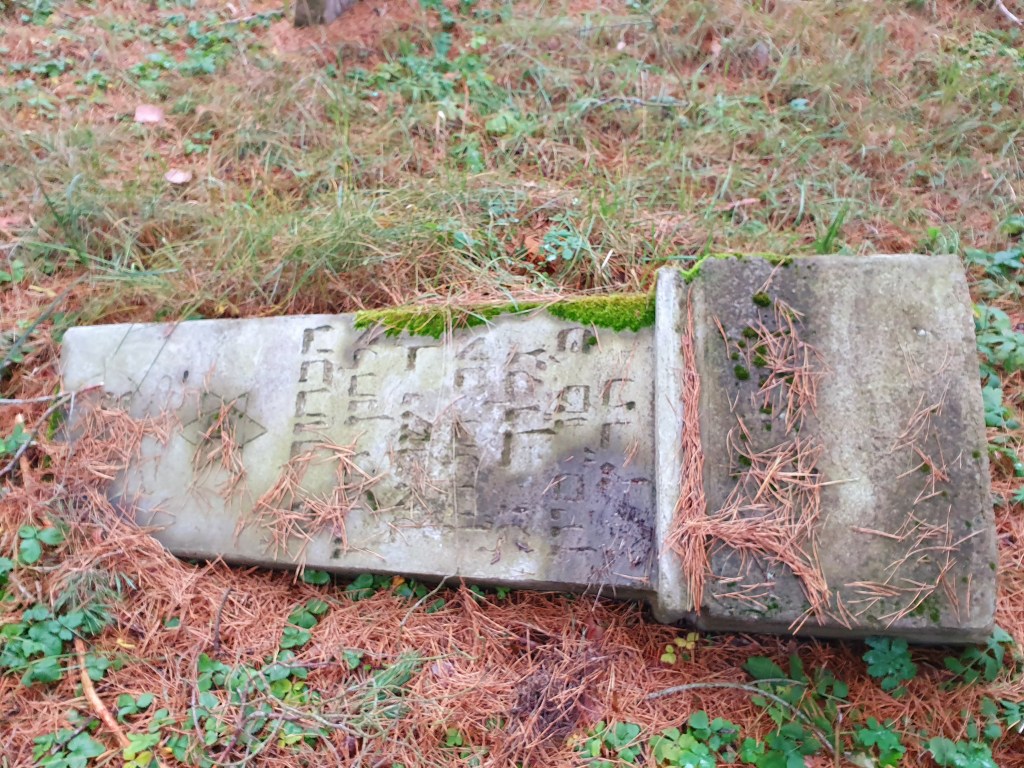
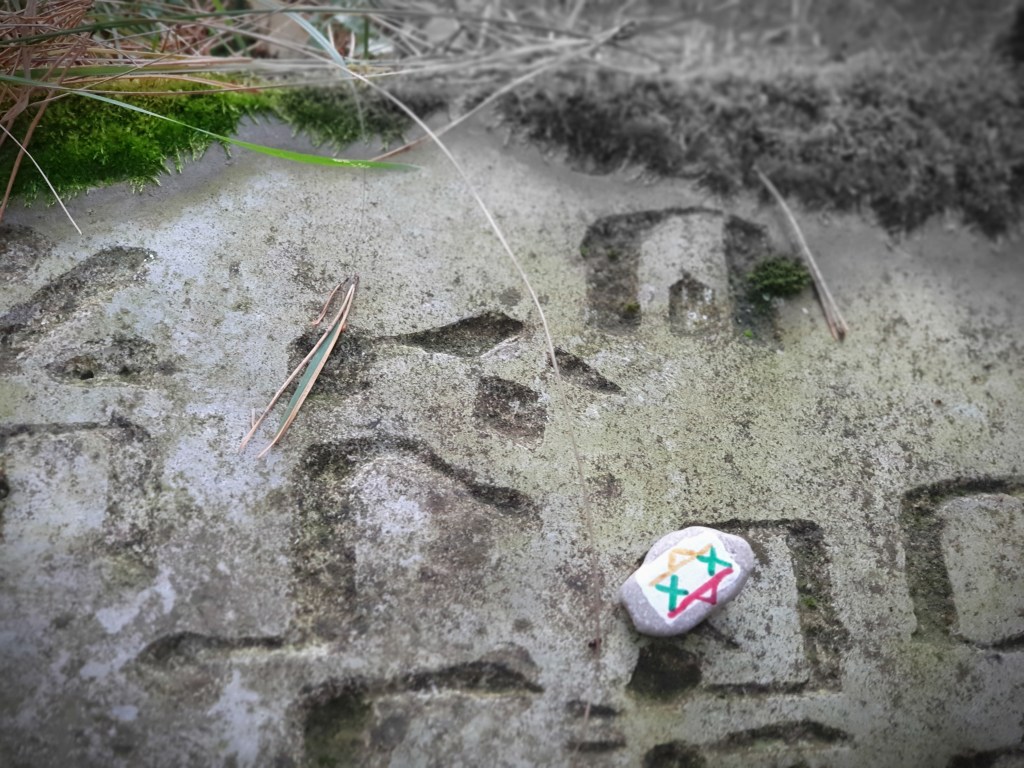
In the large and picturesque Jewish cemetery of Dusetos, among other gravestones, called matzevot, lie these two. They commemorate Isrol Welvel Glukh, son of Eliezer, who passed away in 1927 (5687 in the Hebrew calendar), and his son Elchanan Hertz Glukh, who passed away in 1930 (5690).

Dusetos is a town situated by Lake Sartai. For the townspeople, the lake was both a place of recreation and work, a route for travel, and, essentially, the center of life. Many residents of Dusetos were involved in preparing timber, and logs were floated across the lake. This was the Glukh family’s business as well.
In winter, the lake would freeze so solidly that people could not only walk across it, but also drive carriages over it. Remember the Sartai horse races on the ice? That’s nothing compared to everyday travelers: if you needed to get to the other shore, you simply went straight across. The lake is long and narrow, no one wanted to take the long way around tens of kilometers.
As the lake gave life to the townspeople, it could also take it away. Dusetos residents often heard screams for help from those who fell through the ice or drowned, but few rushed to assist. Who would risk their own fragile life?
No one took the risk on December 10, 1926, when Isroel Glukh fell through the ice. Nor did anyone rescue his son Elchanan, who drowned in June of 1930.
Thus, in the Dusetos Jewish cemetery, gravestones mark the resting place of these two victims of the lake, surviving through the decades despite all hardships. Flowers may wither, but the stones remember: this is true.
This story is retold from the book There Was a Shtetl in Lithuania. Dusiat Reflected in Reminiscences, edited and compiled by Sara Weiss-Slep (Israel, 1989).
 Litvak Shtetls