
Alsėdžiai, first mentioned in the 13th century, is one of the oldest settlements in northern Samogitia.


In the 19th century it belonged to local landed estates, and by the mid-1800s a small Jewish community had formed here. In 1838, 52 Jewish families were recorded in the town.
By 1897, Alsėdžiai had 1,088 residents, including 295 Jews, about a quarter of the population. Most were small traders, shopkeepers, and artisans who worked in the town and surrounding villages. Regular market days and annual fairs were an important part of local life.

In the interwar years, Alsėdžiai remained an active shtetl and the administrative center of a rural district. The Jewish community maintained a cheder and a prayer house. A new wooden synagogue was built on a small hill between 1932 and 1934, one of only a handful of wooden synagogues in Lithuania to survive.
On the eve of World War II, around 30 Jewish families still lived in Alsėdžiai. When the Germans invaded in June 1941, some Jews tried to flee east, but most were captured and murdered that summer.
These are the facts. I want to share some thoughts from my previous Alsėdžiai visits.
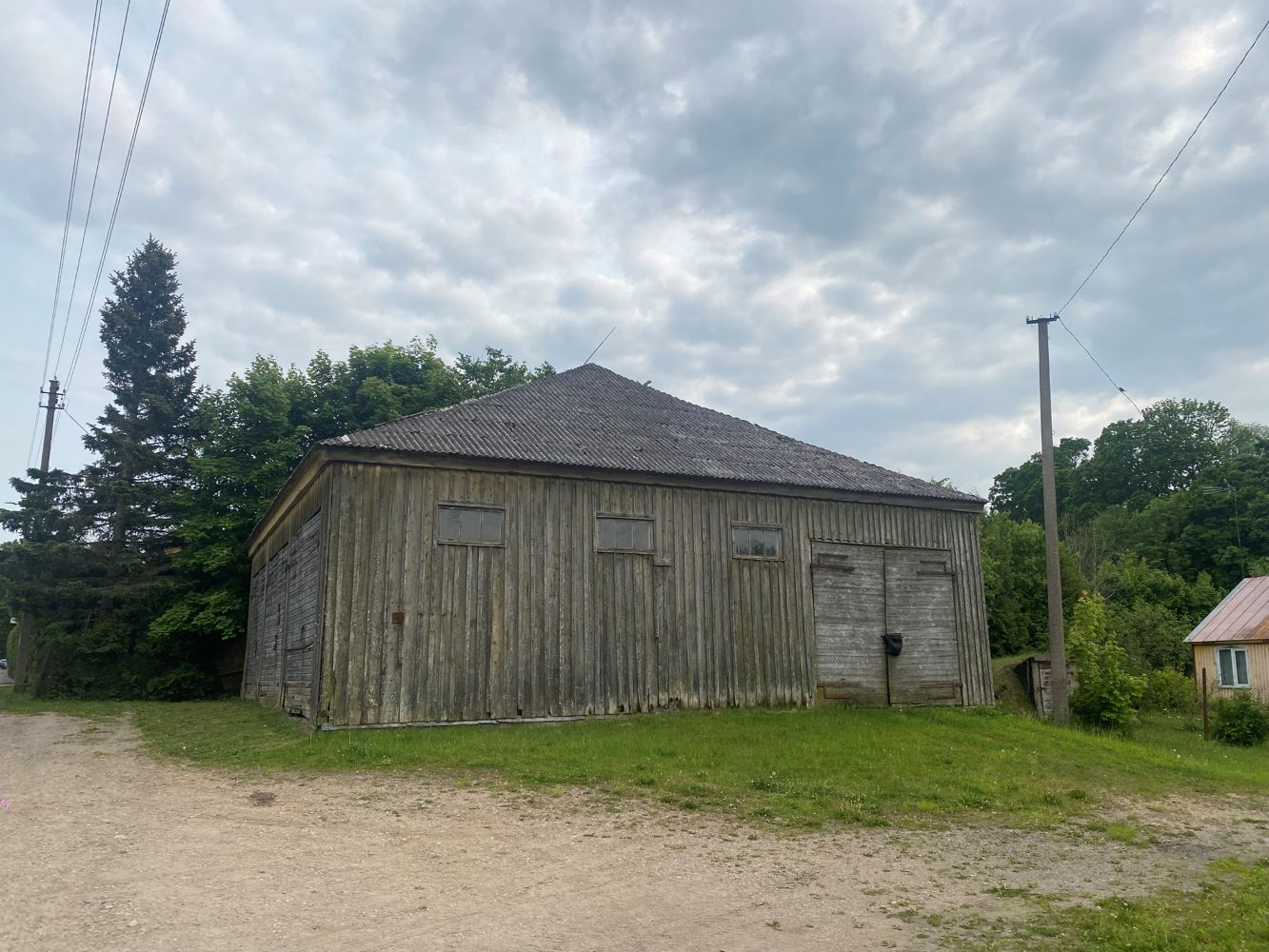
The synagogue in Alsėdžiai is one of the few surviving wooden synagogues in Lithuania. Back in Soviet times, it was patched up, covered with asbestos sheets, and propped with supports. That’s probably why it still stands today.


Before the war, the Jews of Alsėdžiai came here not only to pray but also to send their children to learn, which is why the building was called schule. (In school, we also used to say “let’s go to schule,” and I never realized that word wasn’t German but Yiddish — shul). In Samogitian dialect, locals pronounced it “šoule” (shaw-leh)
In 1941, according to a local man who was nine years old at the time, the men were taken to Telšiai, and the women were led out of town and shot, about twenty-eight in total. One baby, he recalled, was thrown against a pine tree because “bullets are for adults.” The boys knew both the victims and the shooters but kept silent until the 1960s, afraid to speak.

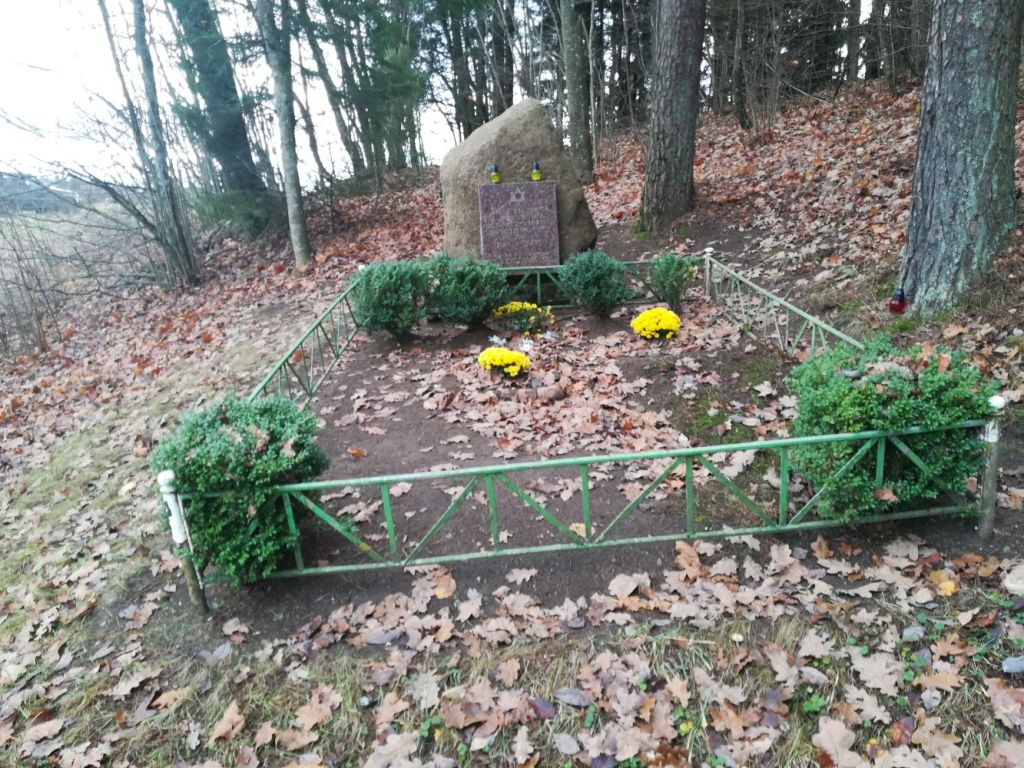

I visited the shooting site in 2018.
And so I keep traveling, collecting images and stories, photographing and writing them down and sharing with you, so that we remember both the beauty and the horror.


 Litvak Shtetls