
Pumpėnai, known in Yiddish as Pumpyan, is a small town in northern Lithuania, about 25 km from Panevėžys, located along the modern Via Baltica road. Jews began settling there in the mid-17th century, and the community became one of the oldest in the region.
By the late 19th century, Jews formed the majority of the town’s population. They worked mainly in small trade, crafts, and agriculture.
The town was an active center of Jewish religious and communal life, with synagogues, a bathhouse, and educational institutions. A Hebrew Tarbuth school operated in the interwar period, and many residents were active in Zionist organizations.
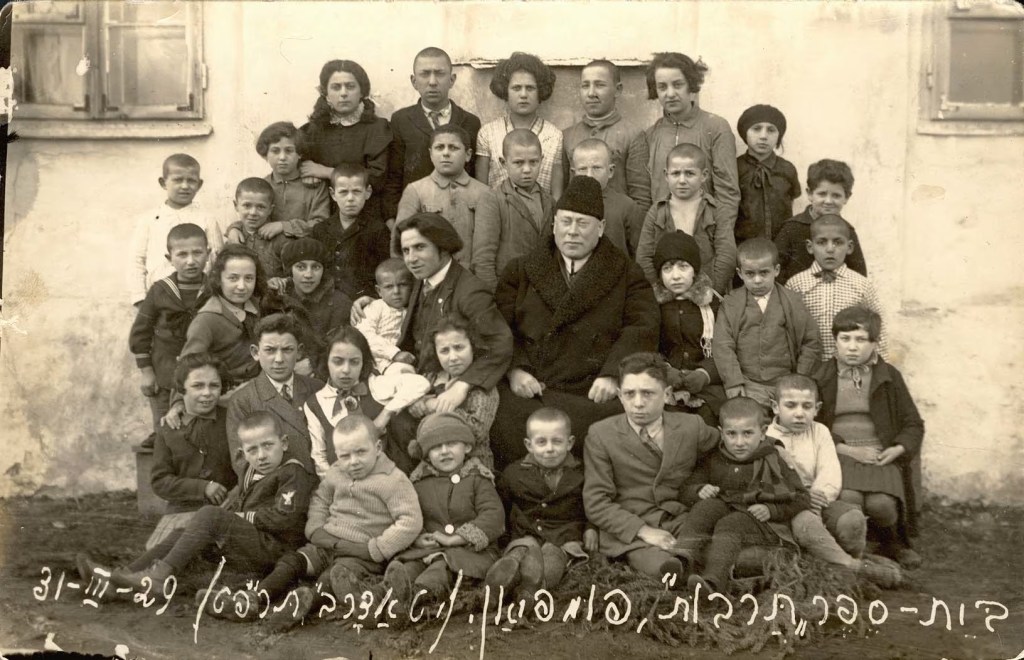
Credit: Yad Vashem
The atmosphere of the town was captured by the Pumpyan-born poet Binyamin Bialostotski (1893-1962), A Pumpyaner:
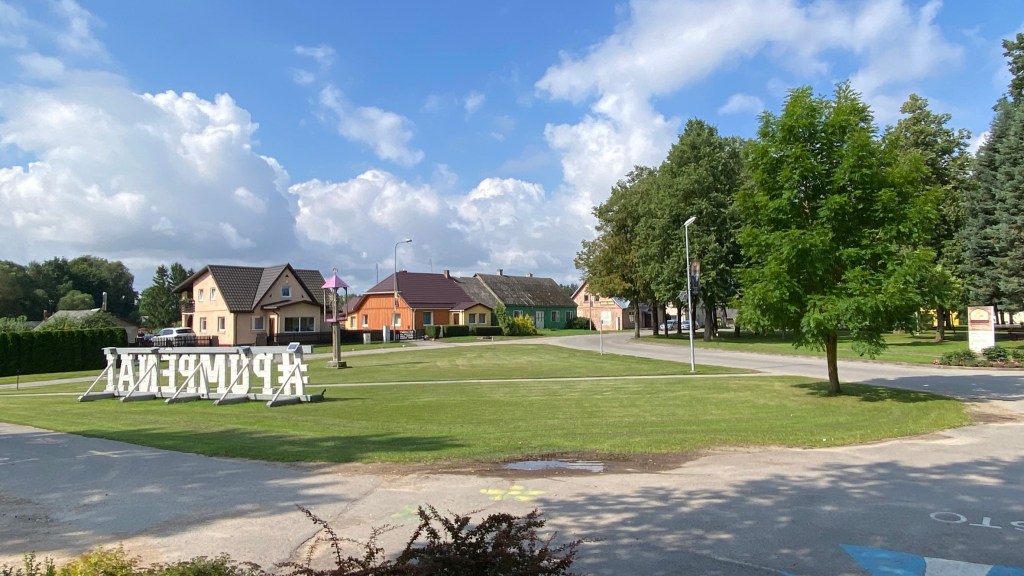
Yet we do remember some other characteristics. First of all—the appearance of Pumpian. A large marketplace was laid out like an open hand with the fingers pointing in different directions. These fingers were the roads leading from the marketplace to other nearby shtetelakh. One finger—one road—led to Pushelat, a small village-like shtetele with only a few score Jewish families. A second road led to Posvol, which to us Pumpianers had something lofty about it, aristocratic… A third road led to Vabalnik. I heard all the children say that on that road robbers were lying in wait, murderers. Everybody was afraid to walk there, or drive there. A fourth road, the broadest, led to Ponevezh. And Ponevezh, the district capital, for a Pumpianer—what a dream, what a faraway, marvelous metropolis!
Four roads—four fingers. Nu, if it’s like a hand, then where is the fifth finger? Yes, the fifth finger was a straight road, just like the thumb on a human hand, that led from the market right to the synagogue. I used to travel on all of those roads but my favorite, most beloved road was the one leading to the synagogue.
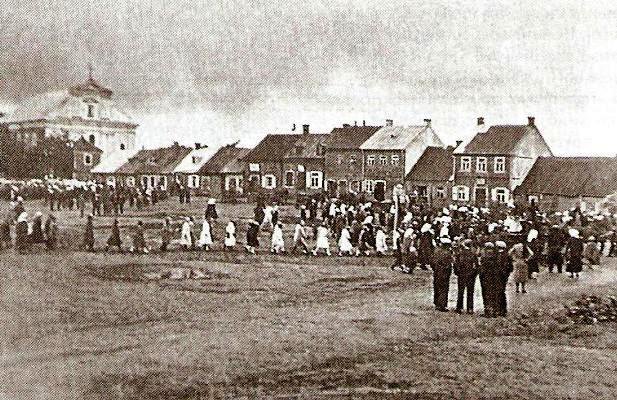
Credit: Lietuva senose fotografijose
Over the years the community experienced fires, economic difficulties, and periods of migration. Many families eventually emigrated, particularly to South Africa and the United States. In 1897 the town had 1,017 Jewish residents, about 69% of the population, while by 1923 their number had declined to 372.
In the summer of 1941, following the German invasion of the Soviet Union, the Jewish community of Pumpėnai was forcibly relocated to a ghetto. Life there was extremely harsh, with limited resources and poor living conditions. On August 26, 1941, most of Pumpėnai’s Jews were killed in Žadeikiai (close to Pasvalys), along with members of nearby communities.
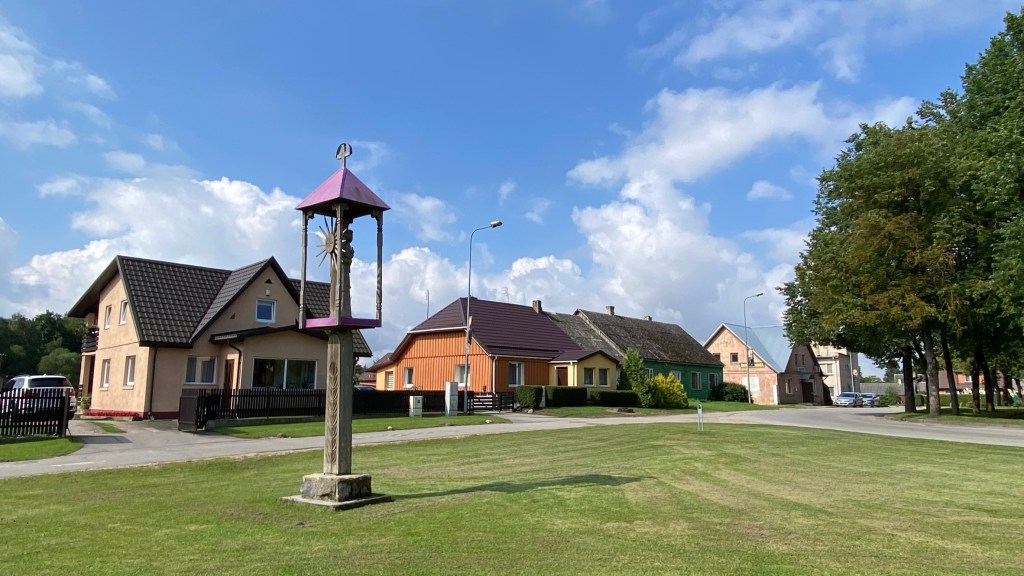
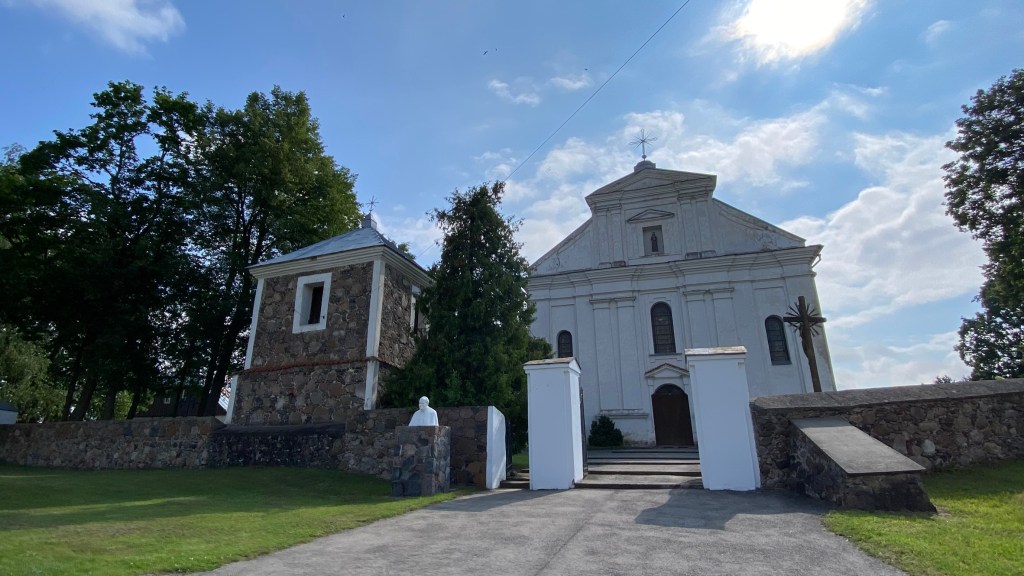
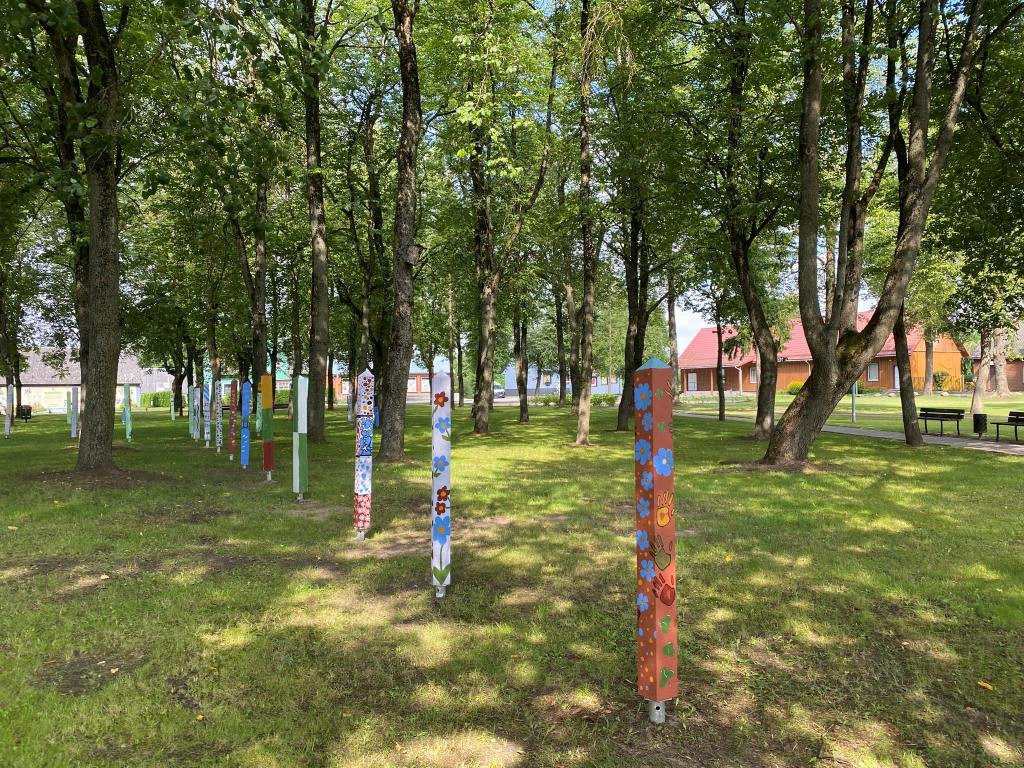
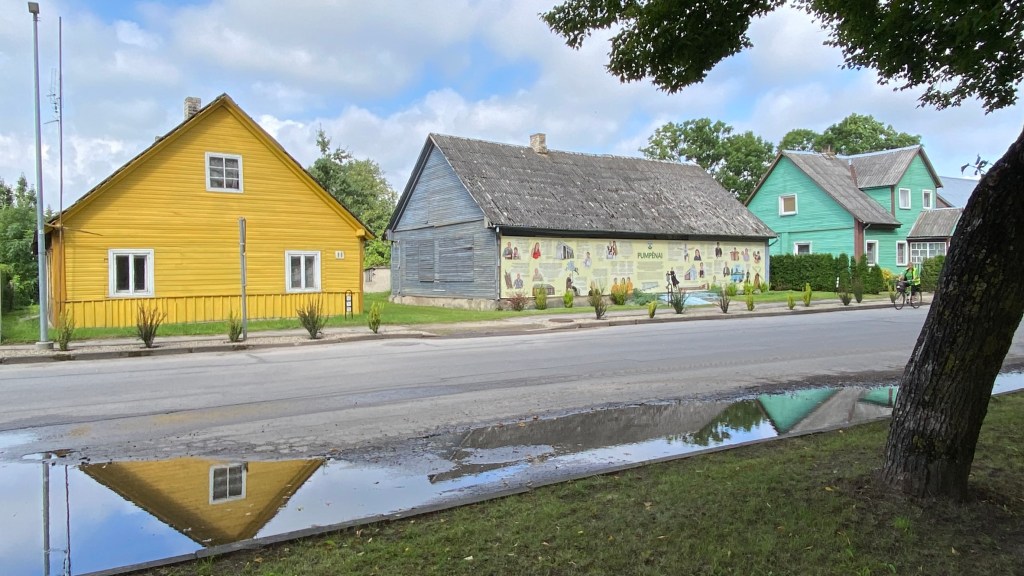
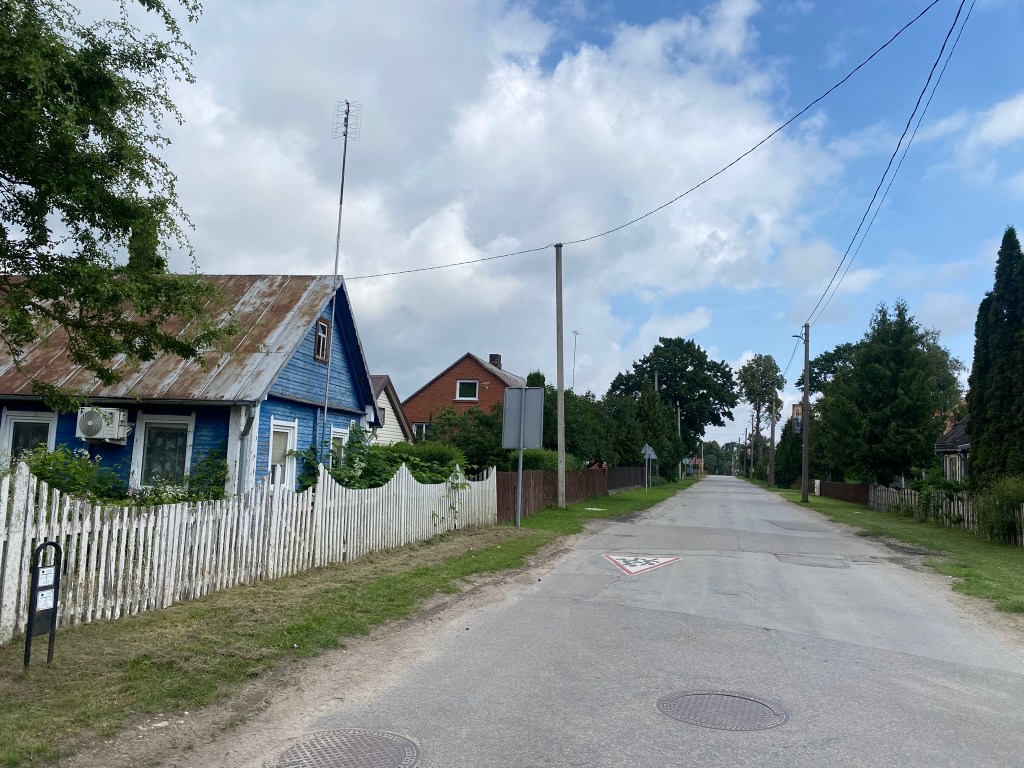
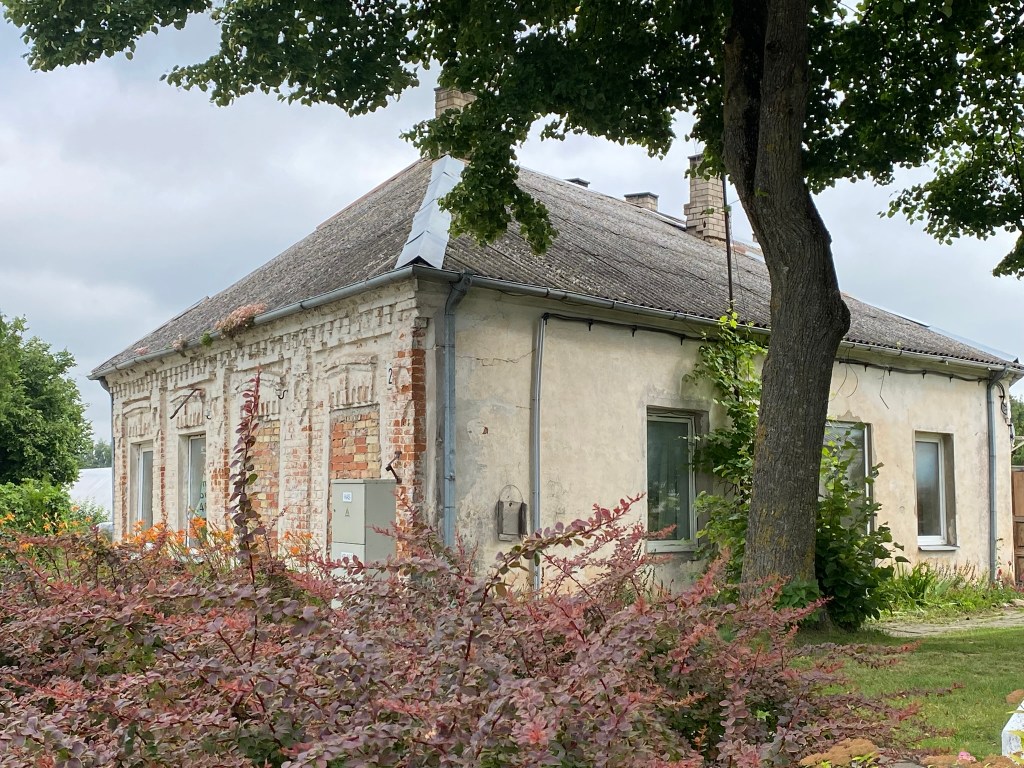
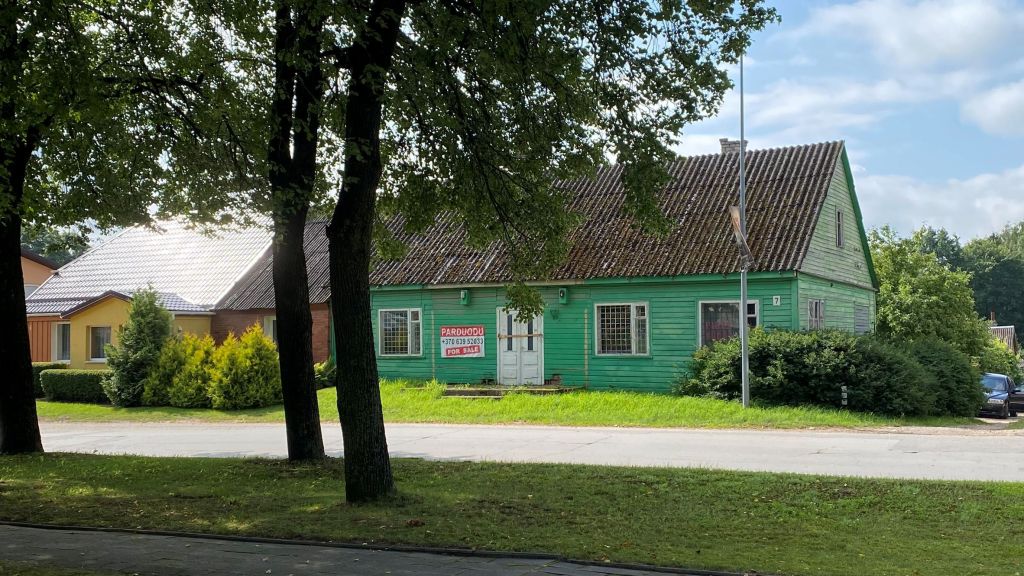
Today, Pumpėnai is a small town of about 660 people, and there are no Jewish residents left. While there are no surviving synagogues or school buildings, visitors can still stroll around the former market square, which has retained much of its original layout.
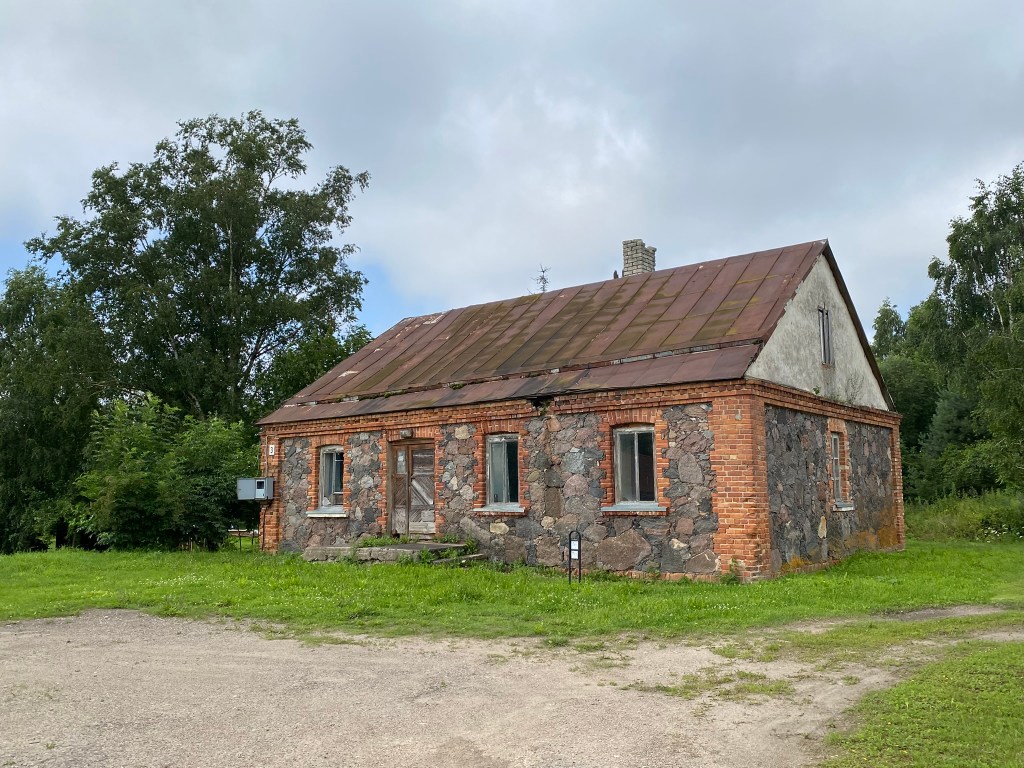
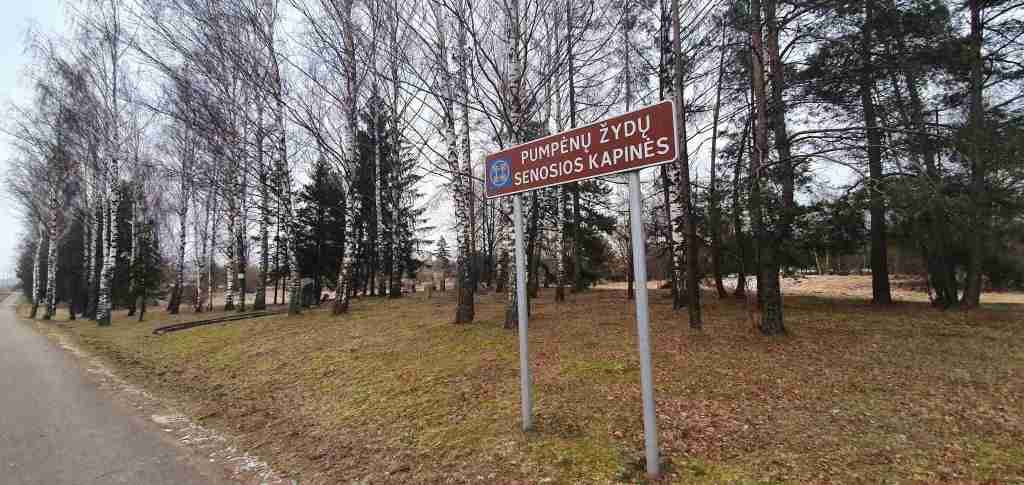
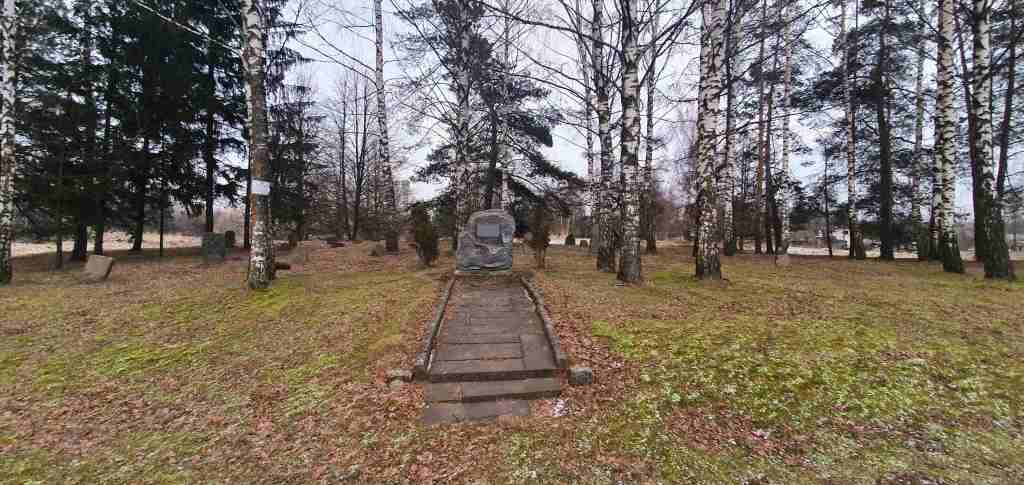
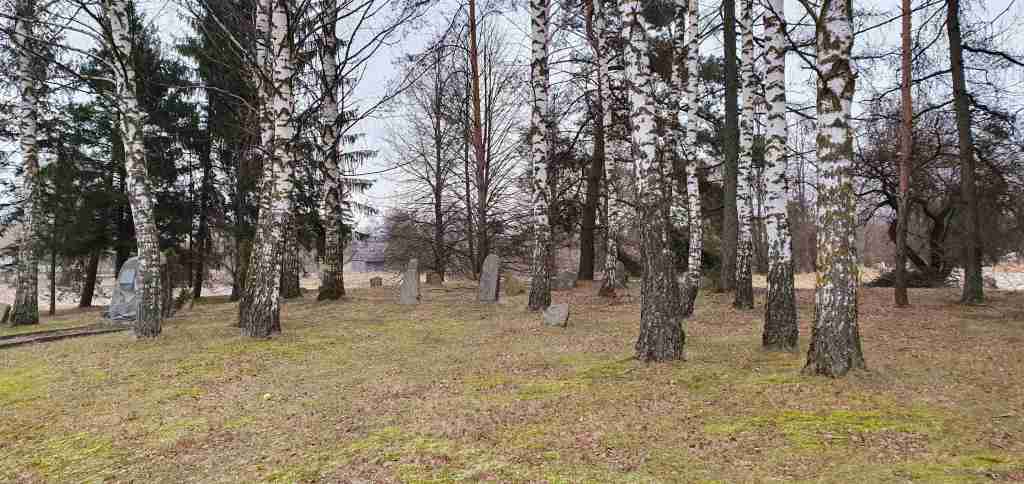
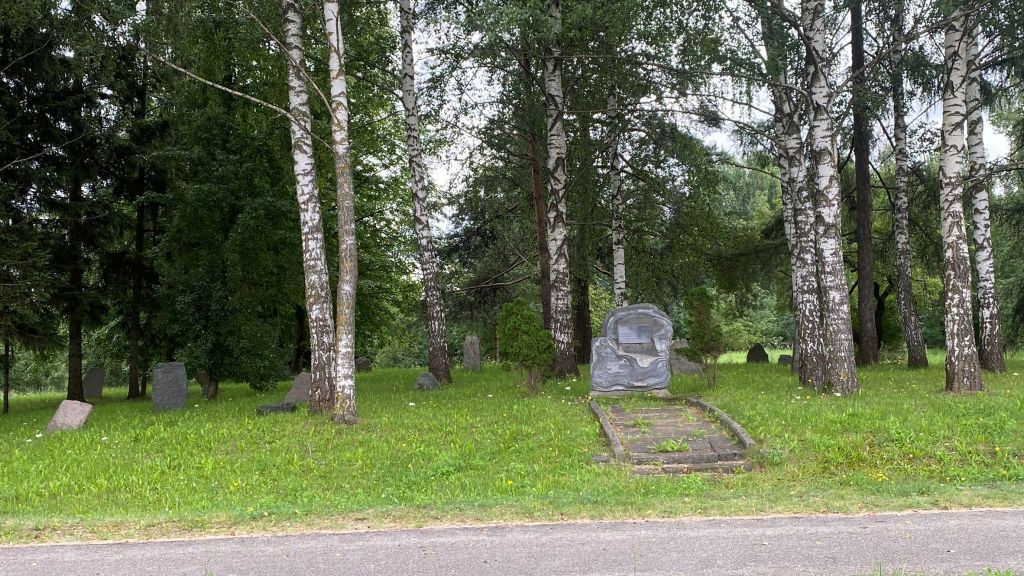
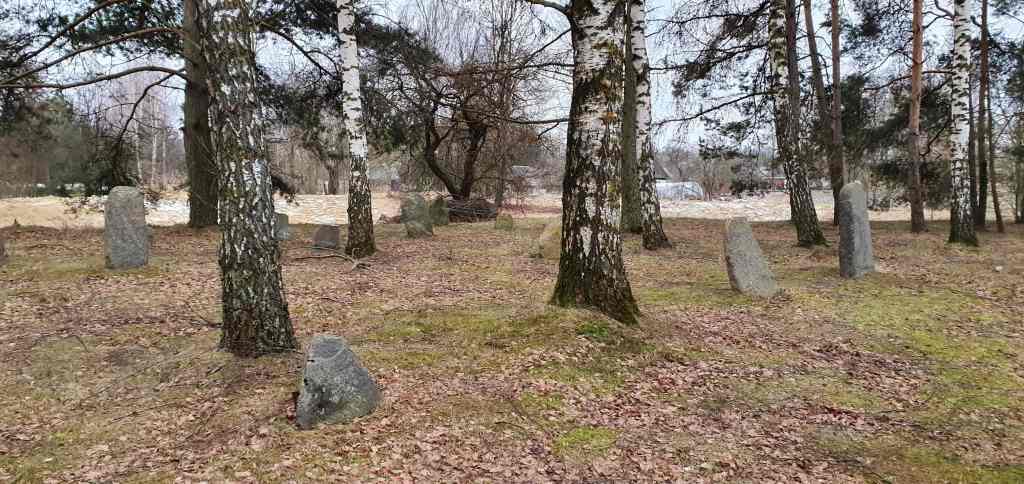
A few old merchant houses remain around the square, giving a sense of the town’s past life. Just a short walk away, the building of the former Jewish ritual bath (mikveh) can be seen, and along the Via Baltica road lie the old Jewish cemetery, quietly marking the traces of the former shtetl.
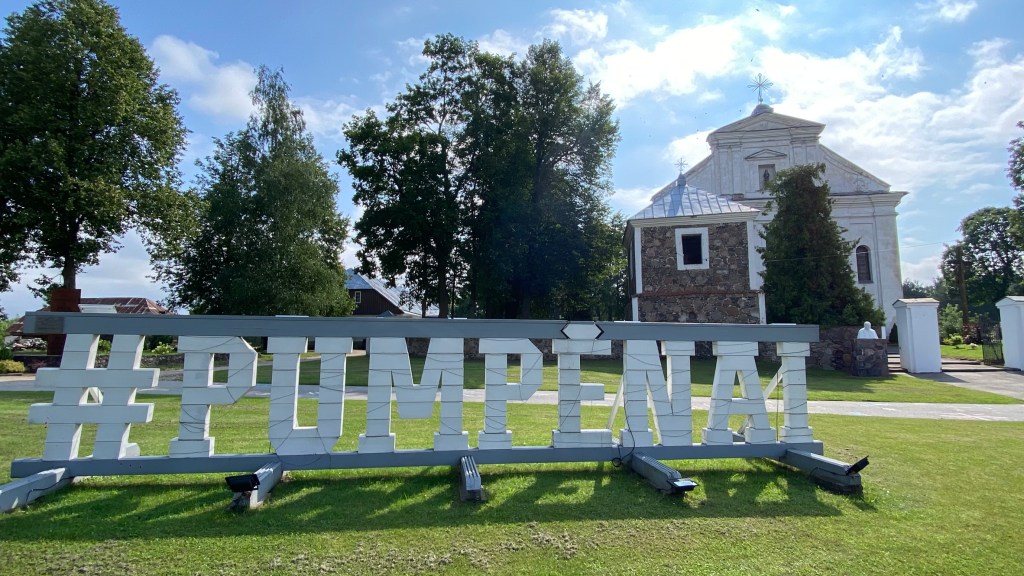
July, 2025
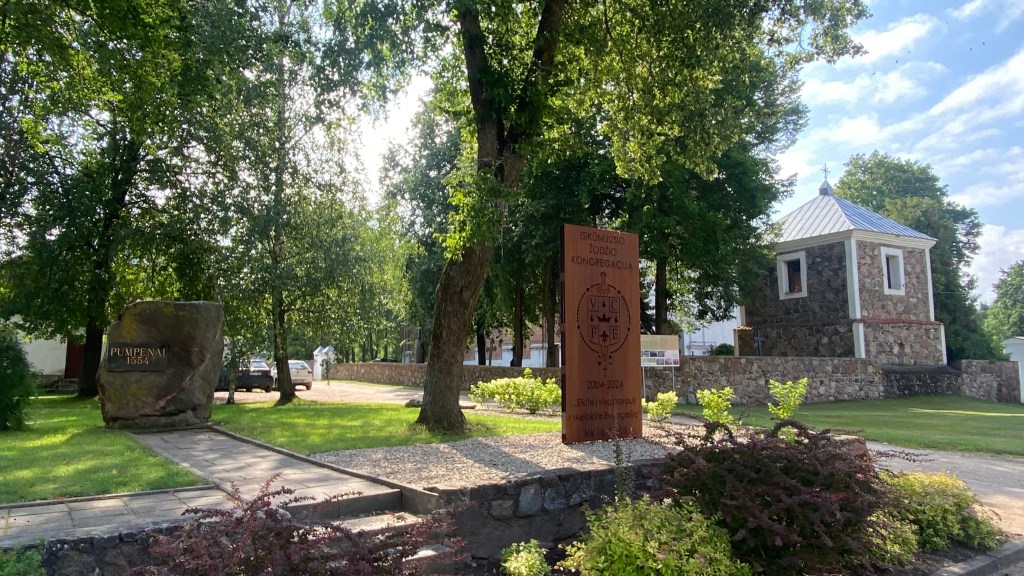
July, 2025
July, 2025
July, 2025
July, 2025
Literature:
1. Yizkor Book of Lithuanian Jewry. Pumpėnai
 Litvak Shtetls