
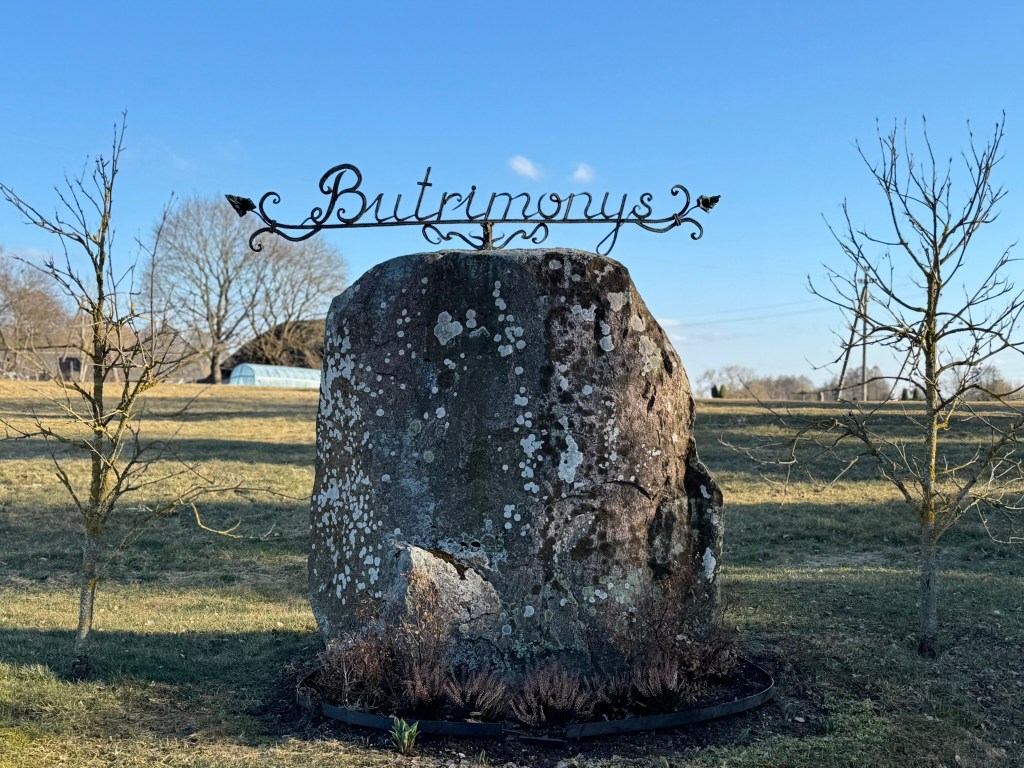
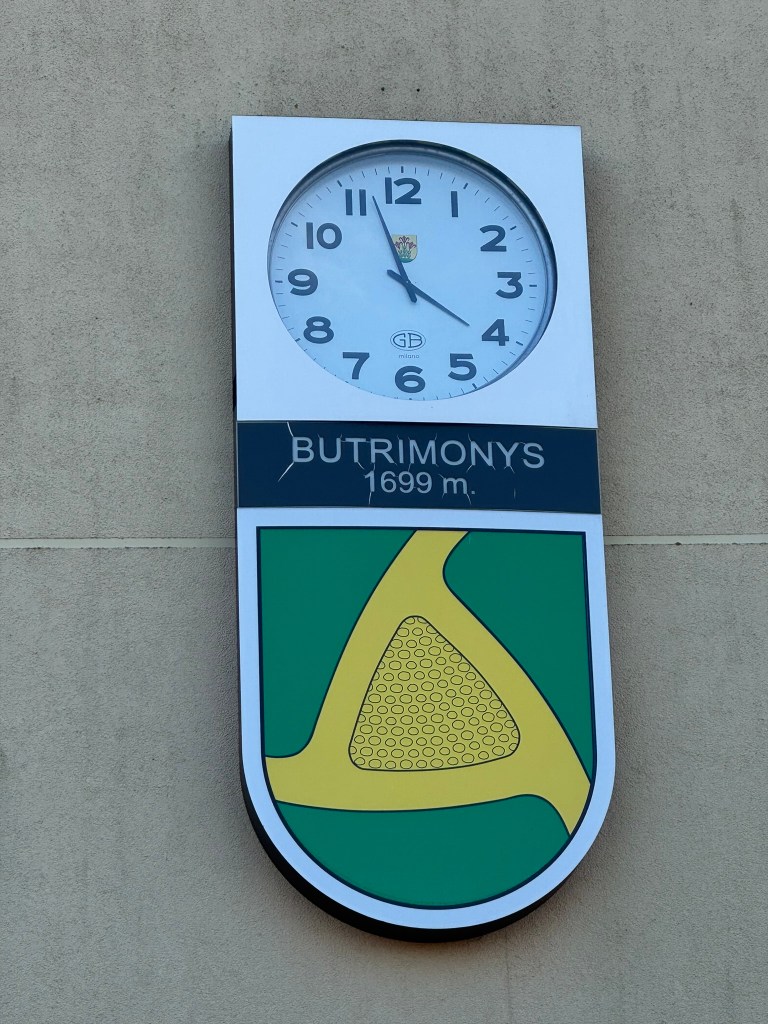
Butrimonys is a small town in southern Lithuania, about 20 km from Alytus. It developed at the intersection of important roads connecting Vilnius with Alytus and Punia. The village of Butrimonys was first mentioned in 1699, and the town of Butrimonys in 1720. According to local tradition, the town is named after a merchant named Butrimas. People say he settled here.
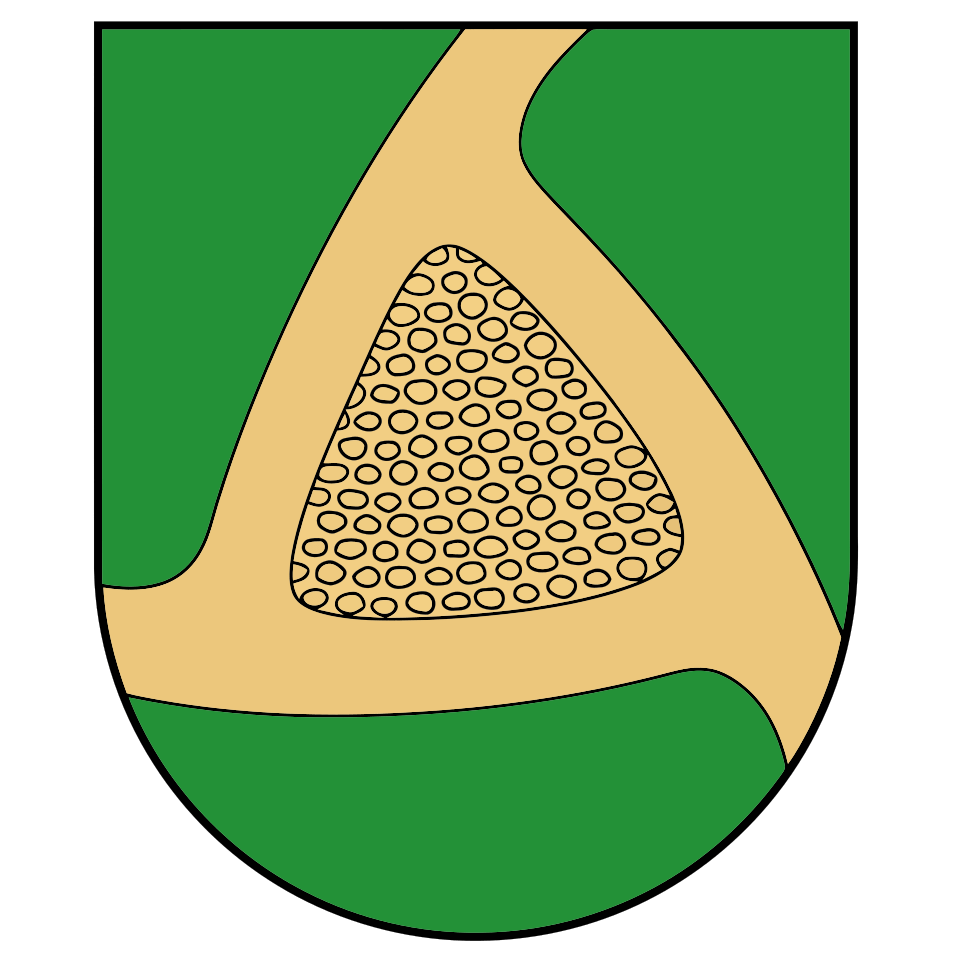
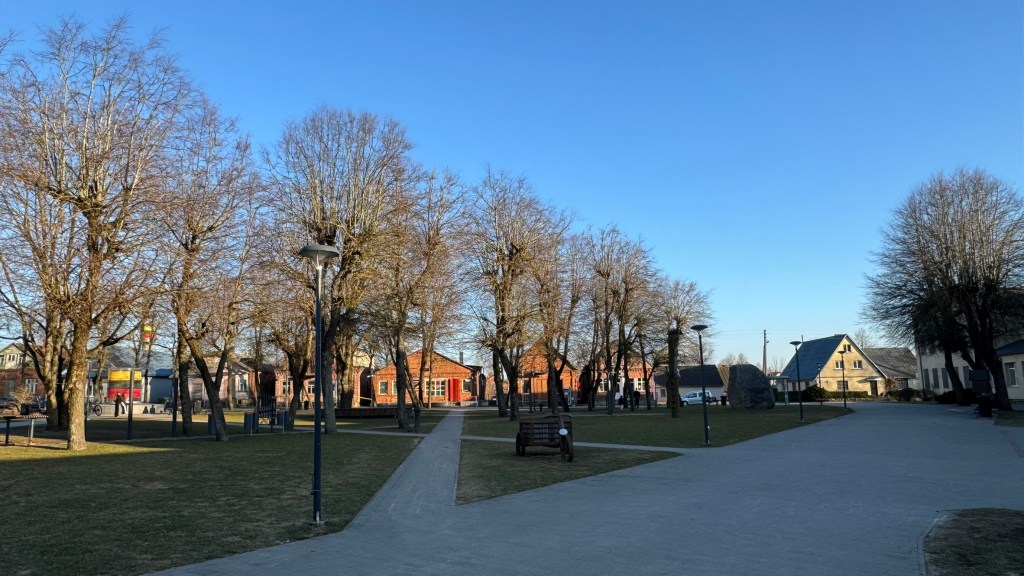
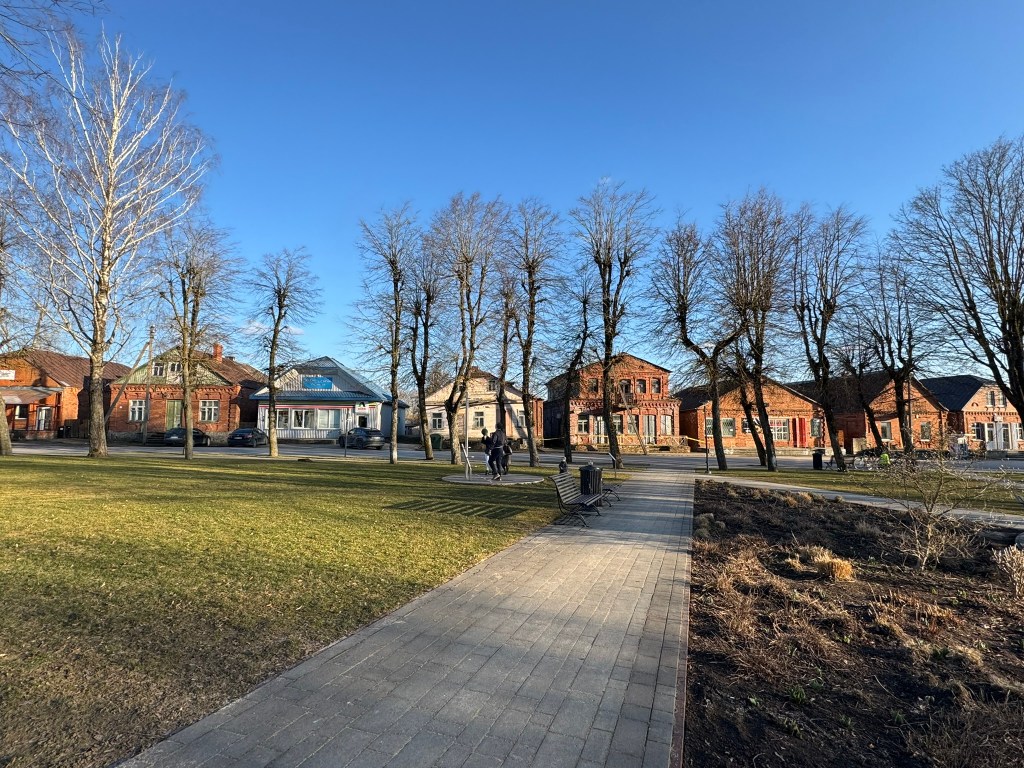
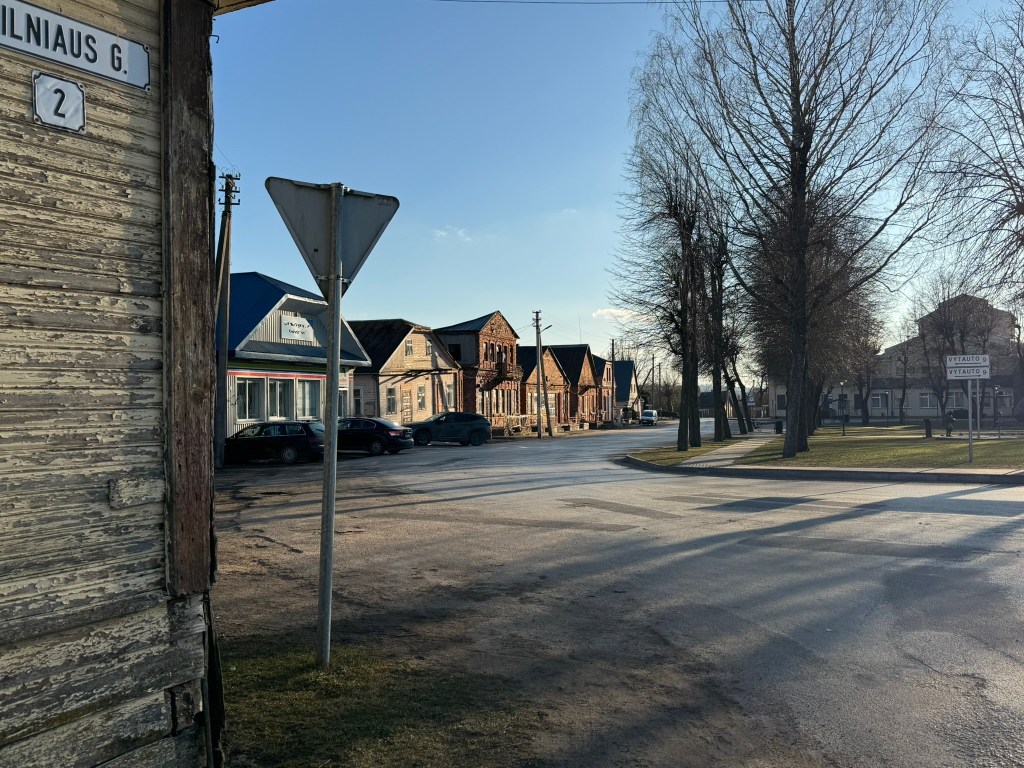
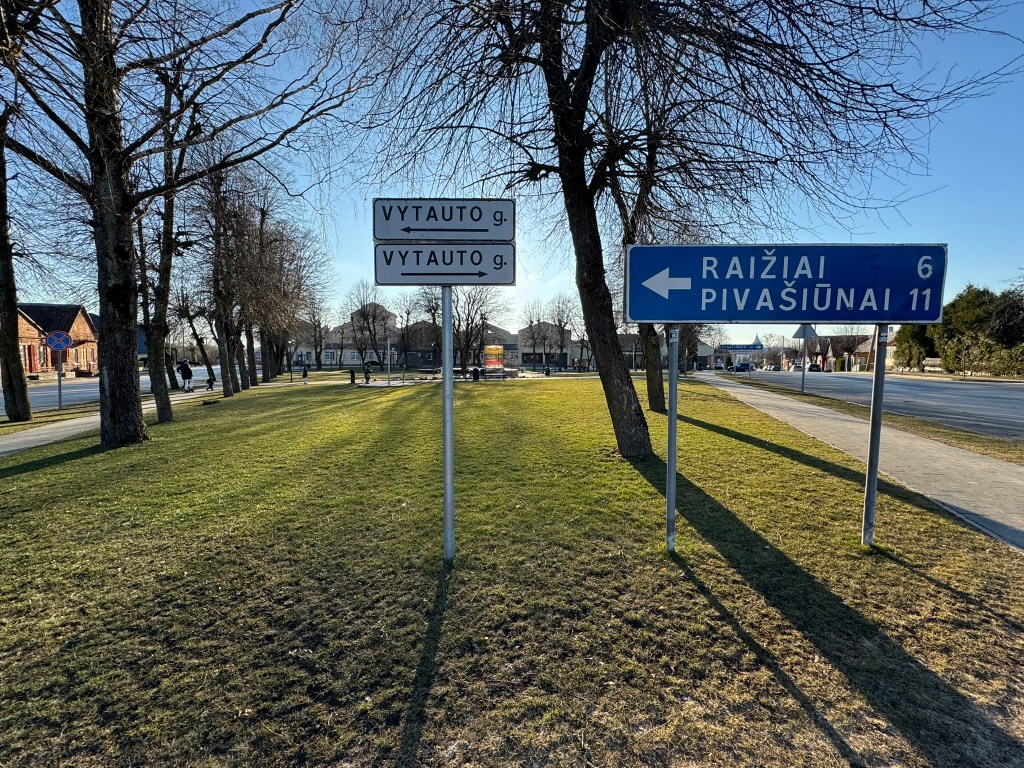
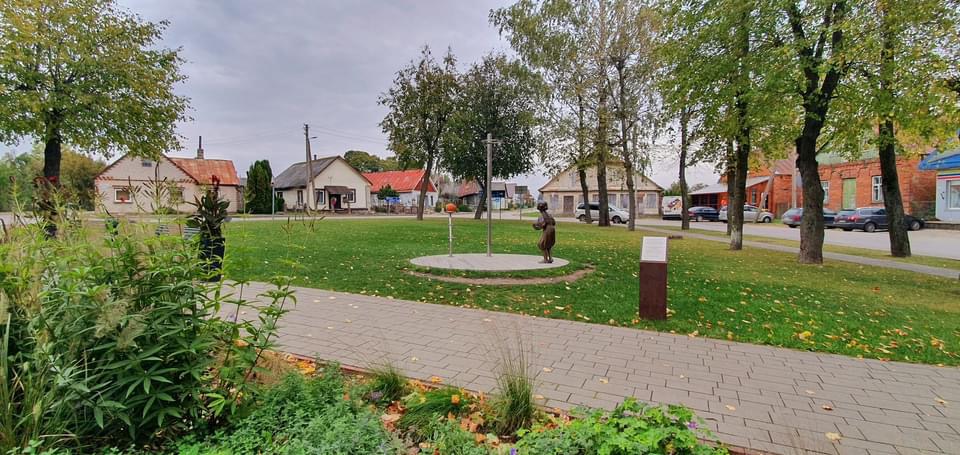
The town is known for its distinctive triangular market square, formed by the roads to Alytus, Punia, and Vilnius. Around this square, which shaped the layout of the entire settlement, merchants and craftsmen once lived. The square has preserved its form to this day. It is surrounded by early 20th-century houses. These houses belonged to local traders and artisans. This shape is even reflected in the town’s coat of arms.
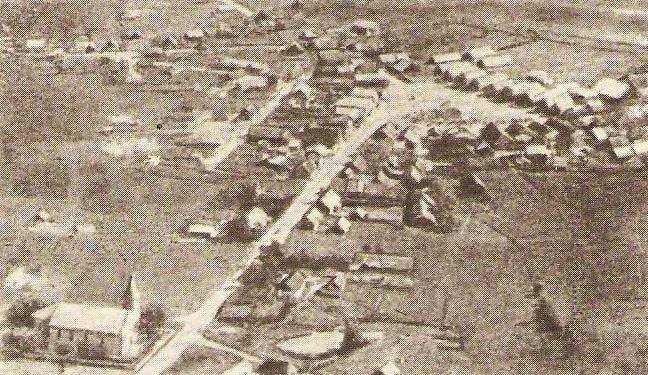
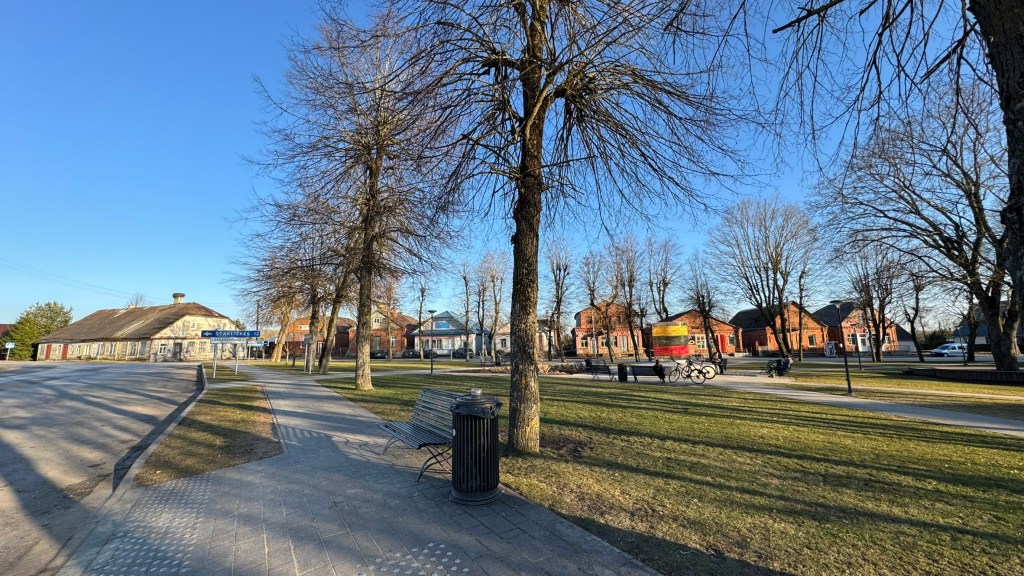
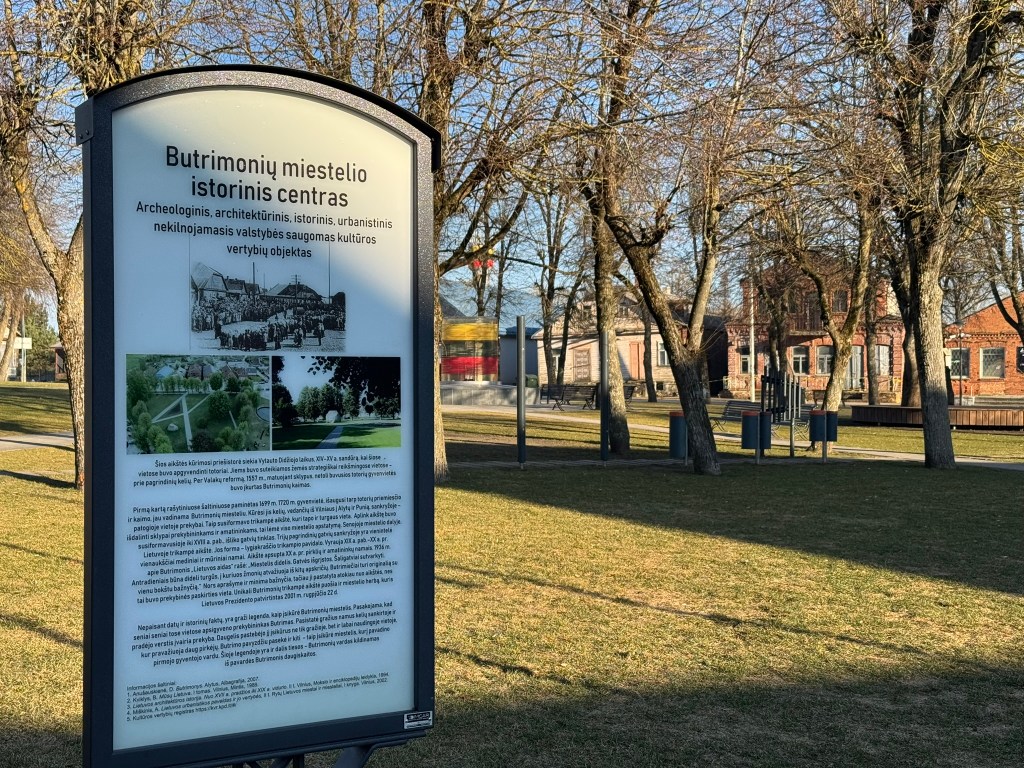
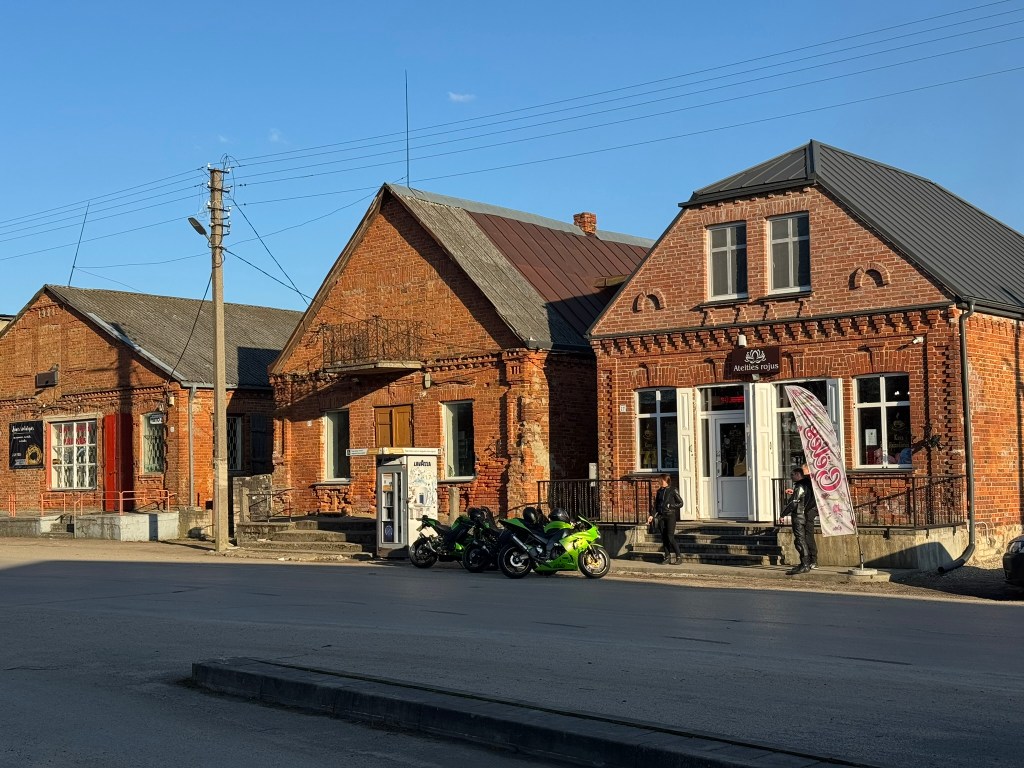
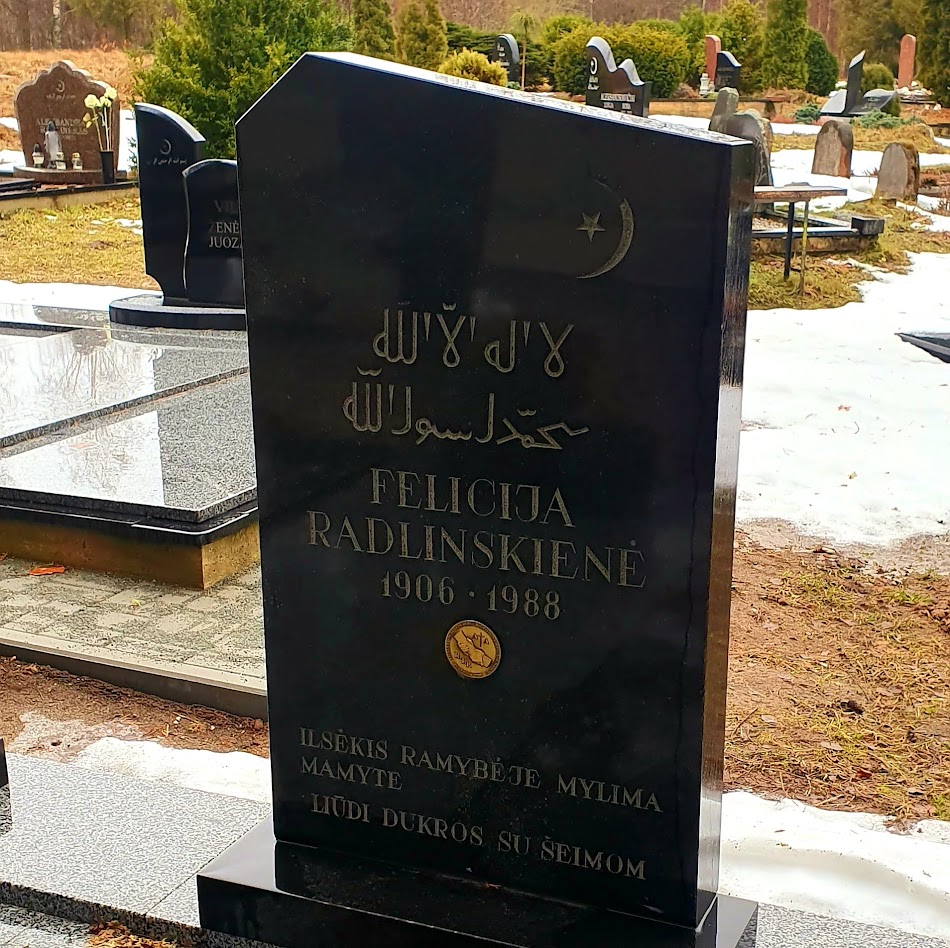
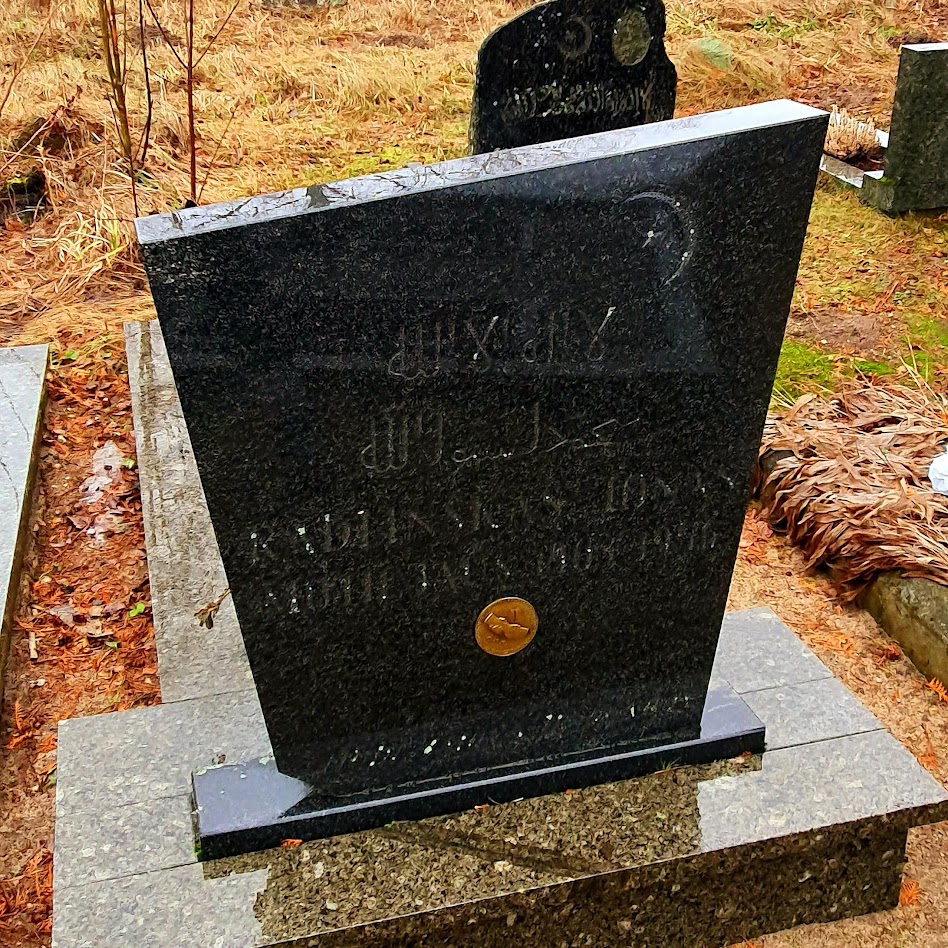
Butrimonys is also famous for its Tatar Muslim community, believed to have settled here as early as the 14th or 15th century. They lived in an area known as the Tatar suburb. Only in the 19th century were the Tatar suburb, Butrimonys town, and the surrounding village united into a single settlement. The Tatars ran bakeries and leather workshops. Not far from Butrimonys, in the village of Raižiai, one of Lithuania’s four remaining mosques is still active. The Tatar cemetery there is the burial place of the Muslim Righteous Among the Nations, the Radlinskas family.
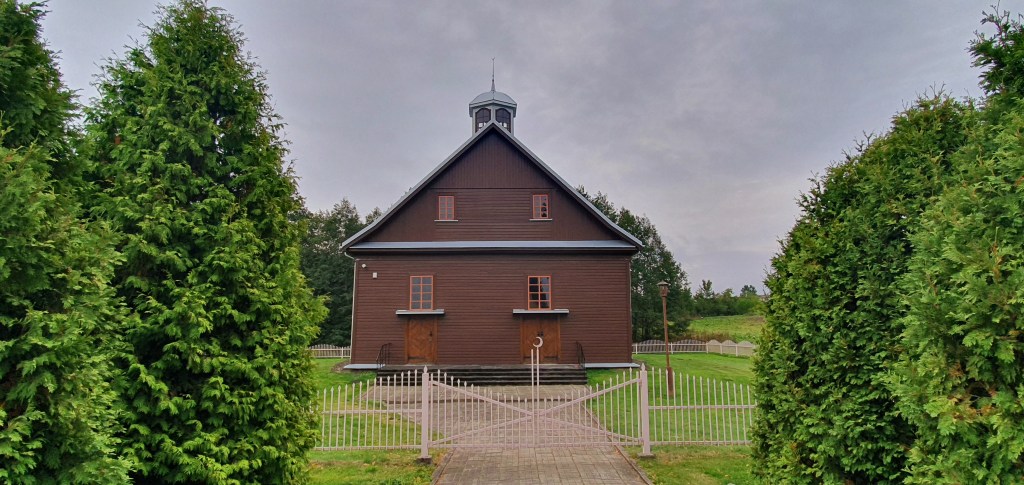
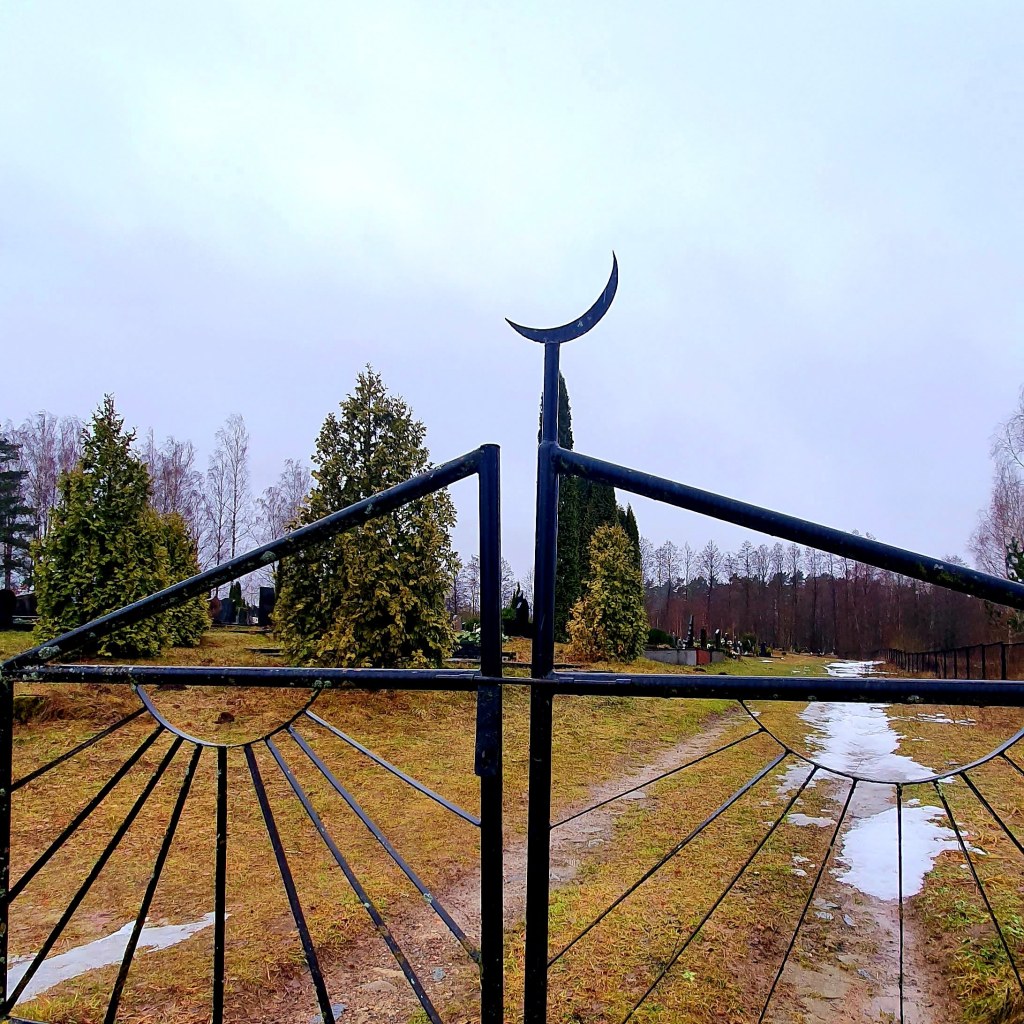
Although other nationalities lived here, Jews formed the majority of the population for a long time.
In Butrimonys, known in Yiddish as Butrimantz, Jews settled in the 18th century. In 1765, 240 Jews lived here. By 1897, the town had 2,394 residents, of whom 1,919 were Jews (around 80%).
After the First World War, the Jewish population declined to around 58% in 1923 (943 out of 1,631). On the eve of the Second World War, over 700 Jews remained. After the war, only 15 survived.
Today, the town has a population of just over 700 residents, and no Jewish community remains.
Jewish life in Butrimonys
Jews began settling in Butrimonys and its surroundings as early as the 17th century, after wars, famine, and epidemics. They leased taverns, worked in crafts and trade, and some also rented land, growing vegetables and fruit and engaging in agriculture. An 1813 document notes that Jews in the town “sold salt, sugar, coffee, tobacco, household goods, livestock, and made wine in their own wineries, which they had built on plots belonging to the town’s owner.”
By the end of the 19th century, the Jewish community in Butrimonys had both brick and wooden houses of prayer. They also had a religious school (heder). Some sources also mention a yeshiva led by a rabbi.
The ideas of the Haskalah reached the town. Two hundred books arrived from abroad to the library that operated alongside Dr. Schneider’s private school. As Zionist ideas spread, local activists established connections with wider organizations, and members of different Jewish movements appeared in the town. Some residents emigrated to Palestine even before the First World War.
During the interwar period, the situation remained similar in many ways. Jews were active in trade and small industry; according to the 1931 census, 24 out of 25 businesses in the town were Jewish-owned. There were also workshops, small factories, and many craftsmen, including shoemakers, tailors, and blacksmiths.
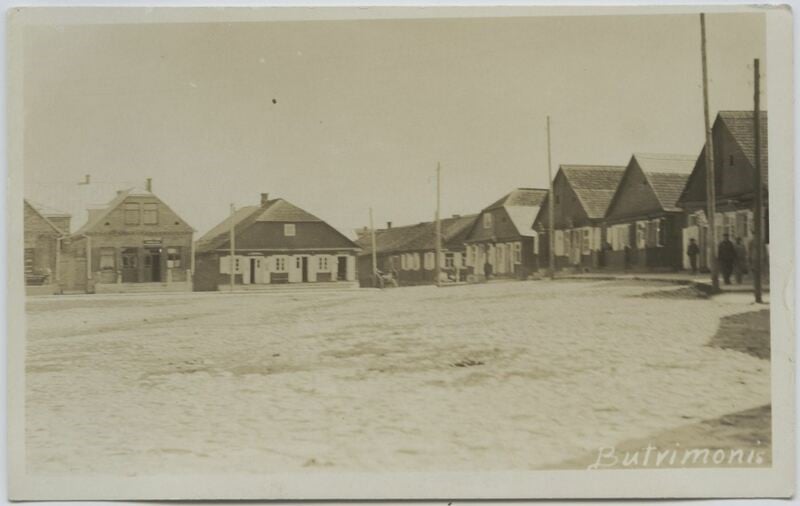
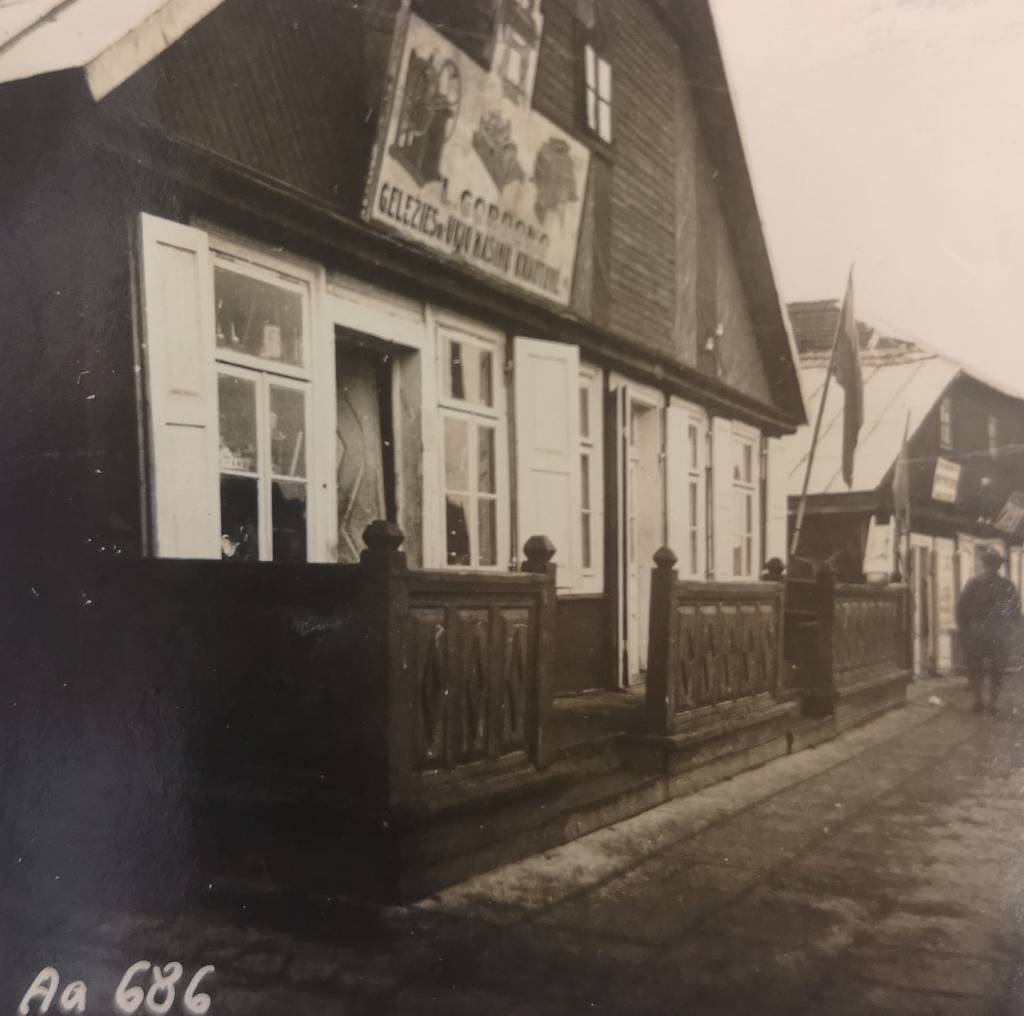
Credit: Lithuanian Central State Archive
In 1937, Butrimonys had 47 Jewish artisans: 11 shoemakers, 7 blacksmiths, 7 butchers, 5 tailors, 4 bakers, 2 glaziers, 2 barbers, 2 stitchers, as well as an oven maker, a hat maker, a seamstress, a knitter, a leather worker, and a watchmaker. The town also had a Jewish doctor and a dentist.
In the houses around the market square Jews had small shops, tea houses, little bakeries, and inns. There was a brick synagogue, and their children went to primary school. Twice a week, accompanied by a self-taught fiddler and a watchmaker, Yosef Layser Berezovsky, films were shown. A doctor and a pharmacist gave help in emergencies at any time of the day. There was a public library established by Dov Slobodsky and Benyamin Miklishansky. Jewish marriages and religious festivals were celebrated with great festivities. 230 townspeople were members of a Jewish people’s bank. Farmers and tailors, shoemakers and bookbinders, barbers, fire fighters and bathhouse attendants all lived and worked peacefully until the Second World War broke out.
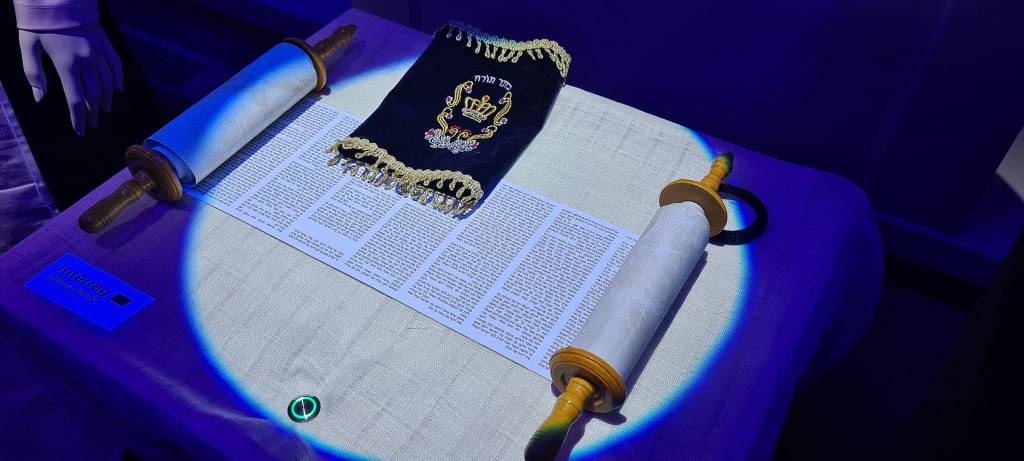
From “If I Forget Thee…”, Vilna Gaon Jewish State Museum, 2009.
Jewish institutions played an important role in community life. There was a Hebrew school belonging to the Tarbut network, as well as a traditional heder run by the local branch of Agudat Israel. The town had a library with about 700 books, a Jewish bank and charitable organizations that supported those in need. Religious life continued in the houses of prayer.
Butrimonys had two batei midrash, a public bath, and a society for hosting guests. The rabbi during this period was Rabbi Avraham-Moshe Vitkind, author of the book Toafot Re’em (Kaunas, 1923), and he was the last rabbi of the community.
Several political and youth organizations were active in the town, including the Zionist youth movements Gordonia and Betar, as well as a Maccabi sports club with around 30 members. Agudat Yisrael and the Folksparty also had supporters in Butrimonys.
People from Butrimonys
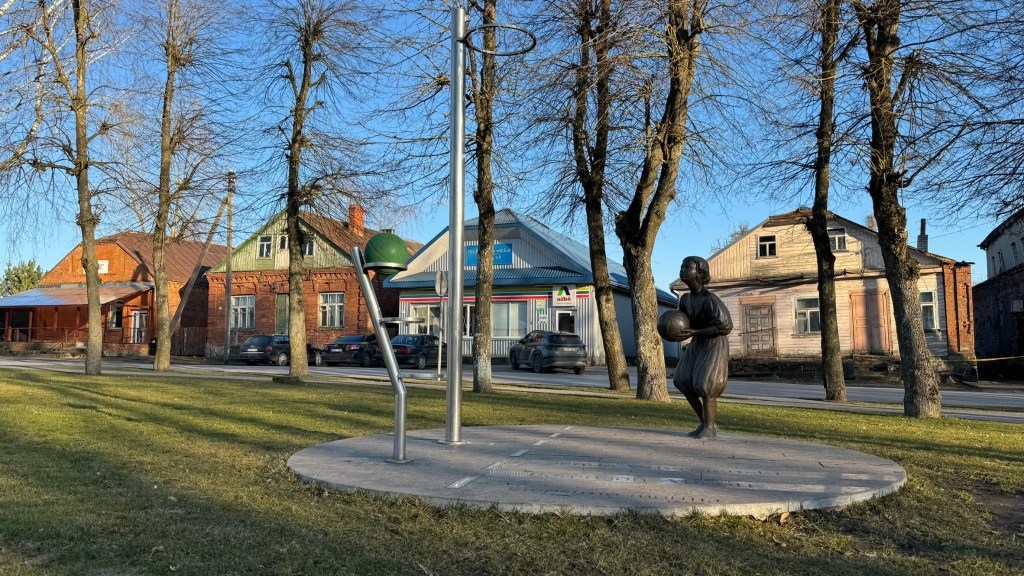
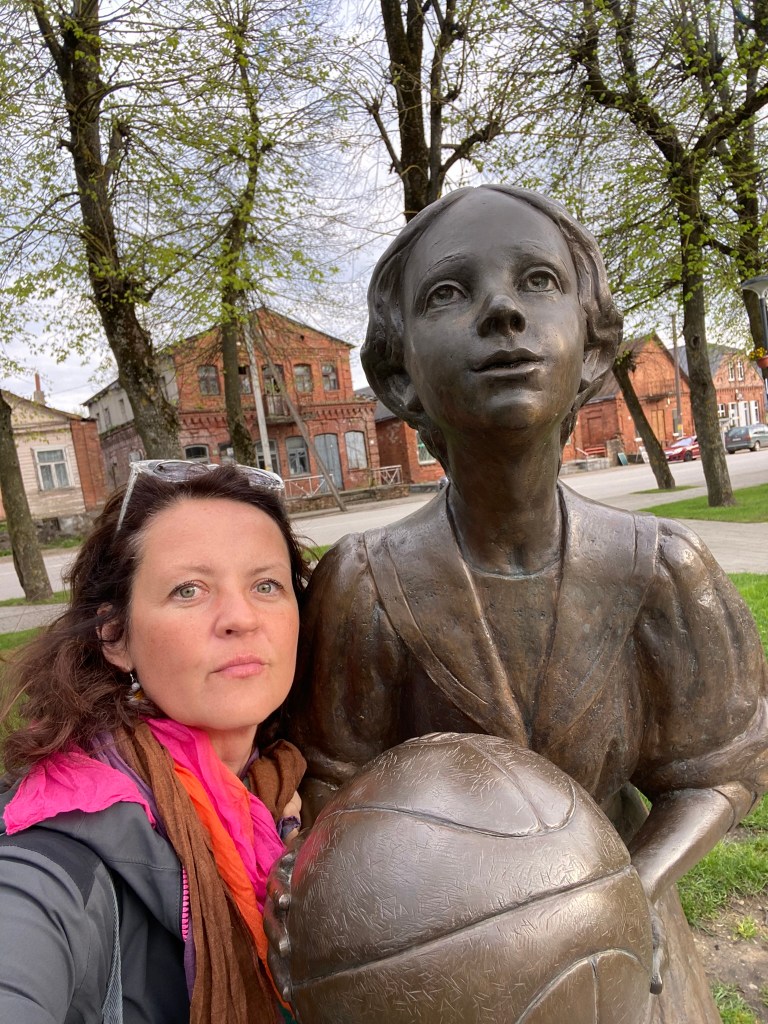
One of the people born in Butrimonys was Senda Berenson Abbott (born Senda Valvrojanski in 1868), who became a pioneering figure in sports history. On March 22, 1893, at Smith College in Massachusetts, she organized and led the first official women’s basketball game. She later adapted the rules of basketball for women, making the game less physically aggressive and more accessible. Her version of the rules remained in use for decades, and she became known as the “Mother of Women’s Basketball.”
In 2022, she was commemorated in Butrimonys with a sculpture by Nerijus Erminas.
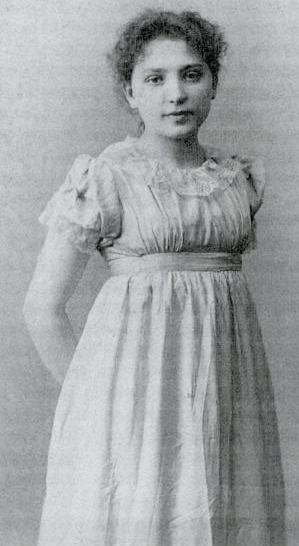
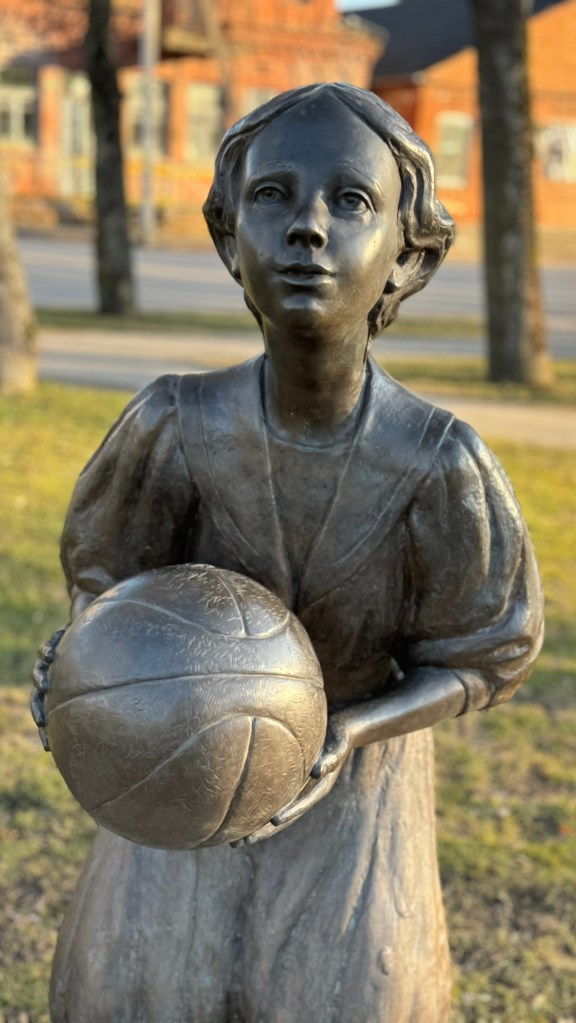
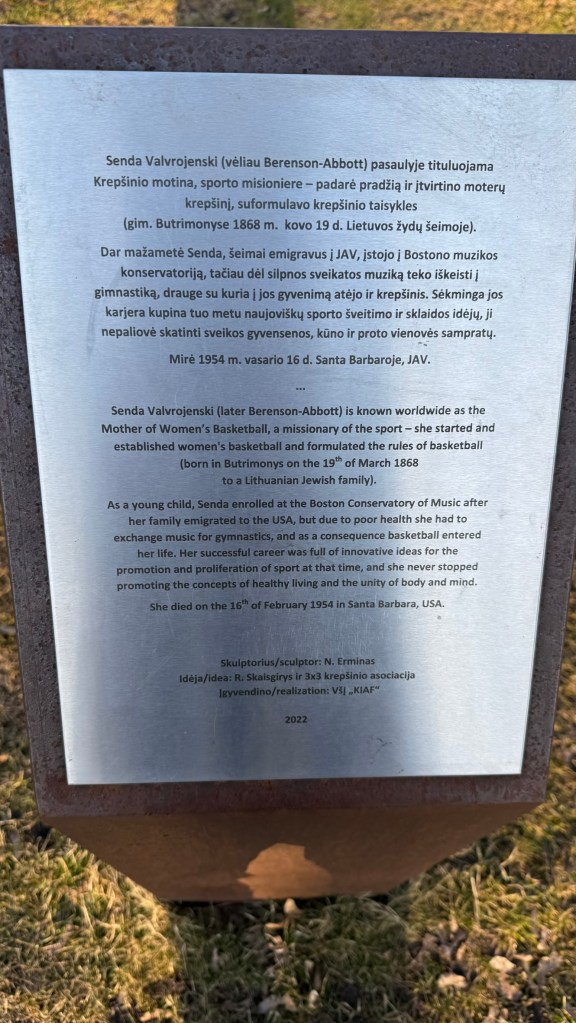
Senda’s brother Bernard Berenson (born Bernhard Valvrojenski in 1865) was one of the most influential connoisseurs of Italian Renaissance art. Educated at Harvard University, he spent most of his life in Italy, where he became a leading expert on Renaissance painting and attribution. His work helped shape the field of art history, and his library later became part of Harvard University.
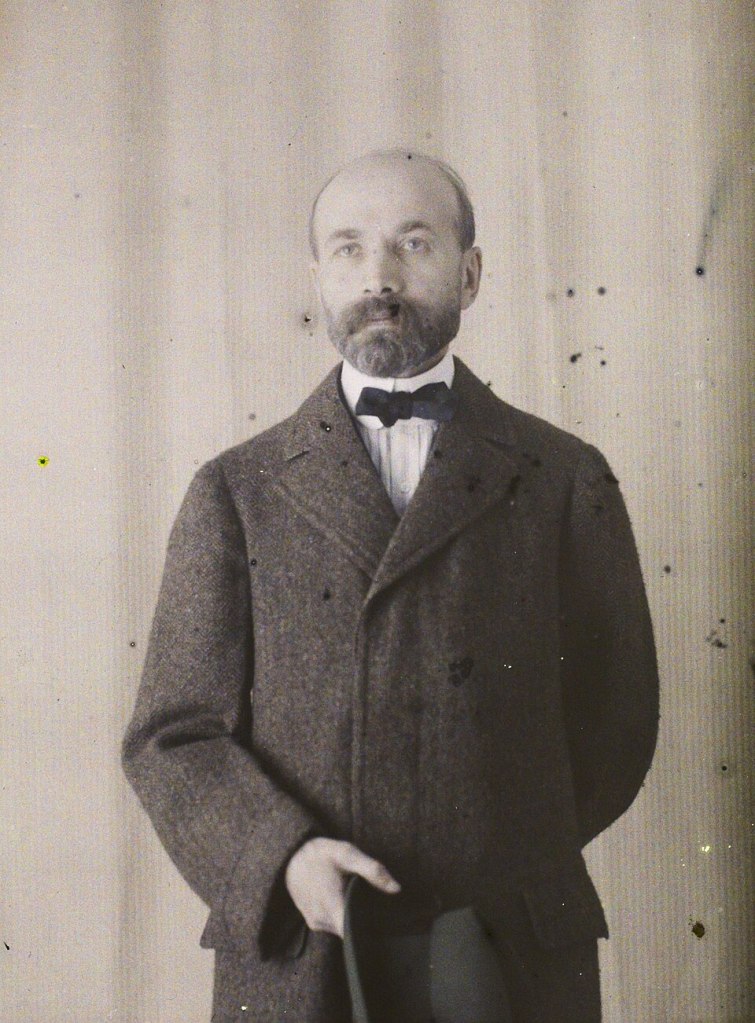
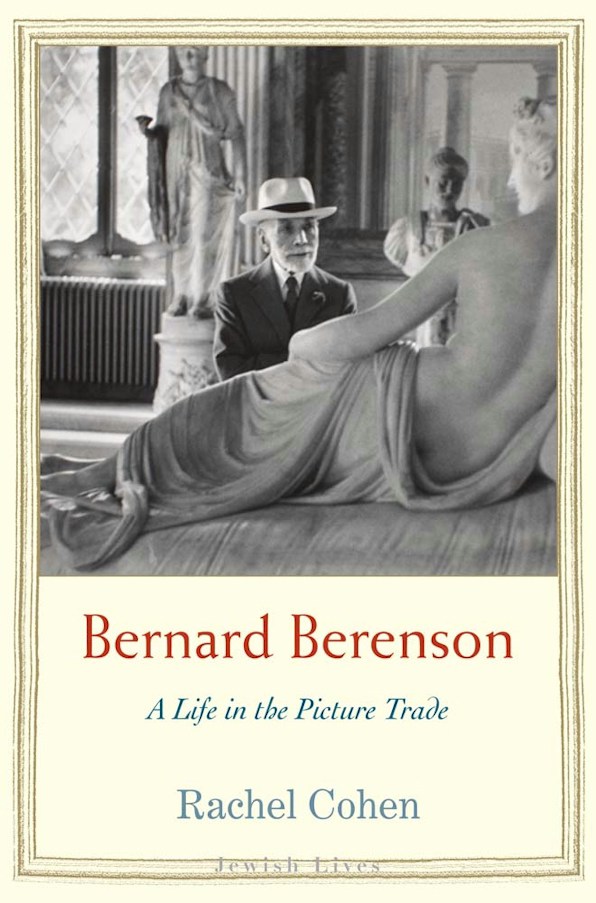
Credit: Wikipedia
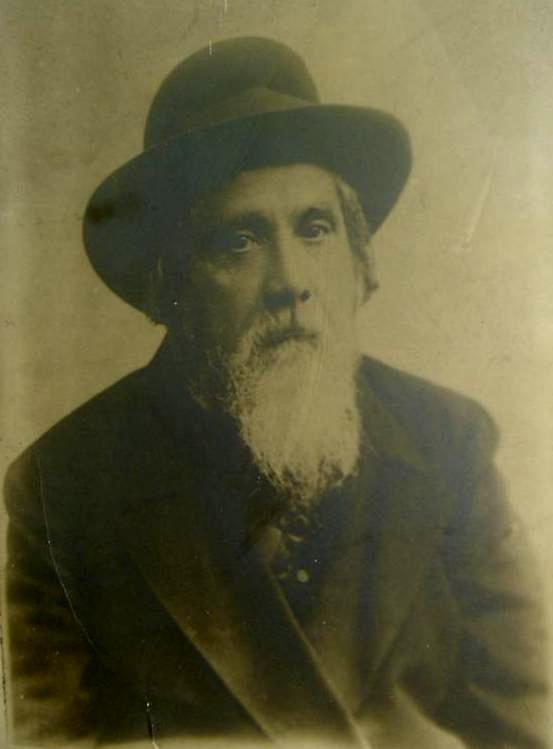
Another prominent figure born in Butrimonys was Rabbi Meir Simcha of Dvinsk (1843–1926), one of the leading Orthodox Jewish scholars of his time.
He later became the rabbi of Dvinsk (today Daugavpils in Latvia). He served there for nearly four decades. He was widely respected across the region. He is best known for his works Ohr Somayach, a commentary on Maimonides’ Mishneh Torah, and Meshech Chochma, a commentary on the Torah.
Credit: Wikipedia
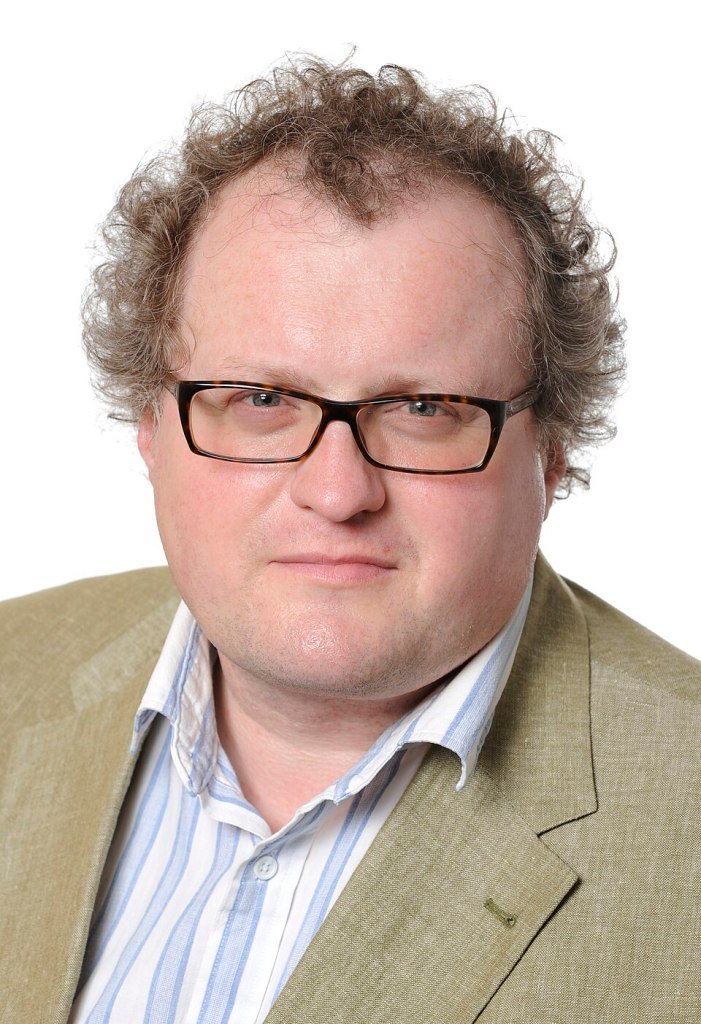
Leonidas Donskis (1962–2016) was a Lithuanian-Jewish philosopher, political theorist, historian of ideas, and social analyst. He was also a political commentator, professor of politics, head of “VDU Academia Cum Laude” at Vytautas Magnus University, Honorary Consul of Finland in Kaunas, and deputy chairman of the Lithuanian Jewish Community.
His family came from Butrimonys.
In June 1940, Lithuania was annexed by the Soviet Union. Most Jewish-owned shops and factories were nationalized, Zionist and youth organizations were disbanded, and Hebrew education ended. The Jewish middle class suffered a severe setback.
On June 22, 1941, Germany invaded the Soviet Union.
During the German occupation, the Jewish community of Butrimonys faced mass arrests and killings. The first wave, on August 10–12, targeted men aged 18–40; 120–150 were sent to Alytus and executed. The second wave, August 15–17 (or August 22), saw about 400 Jews imprisoned in Alytus and later shot.
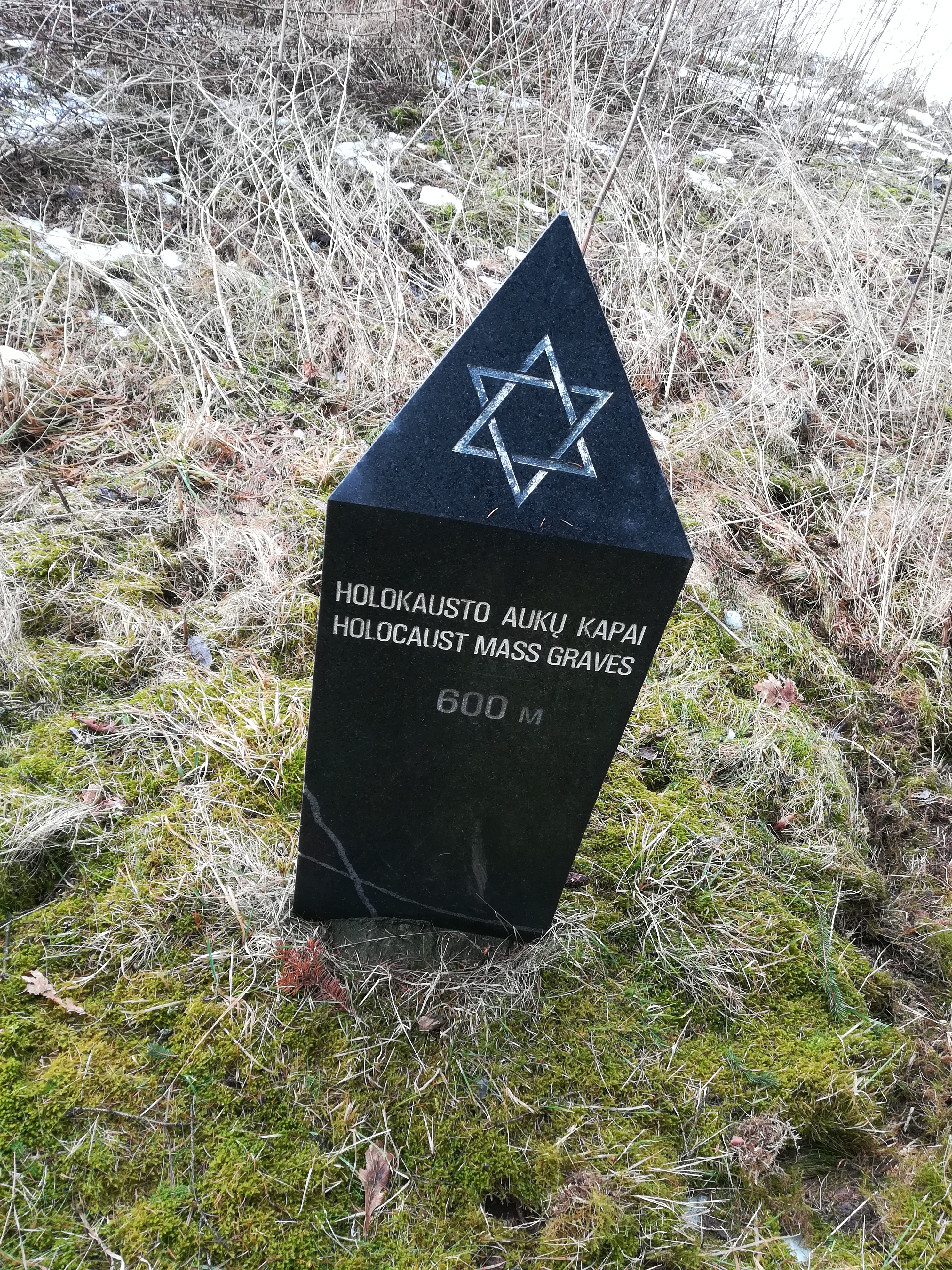
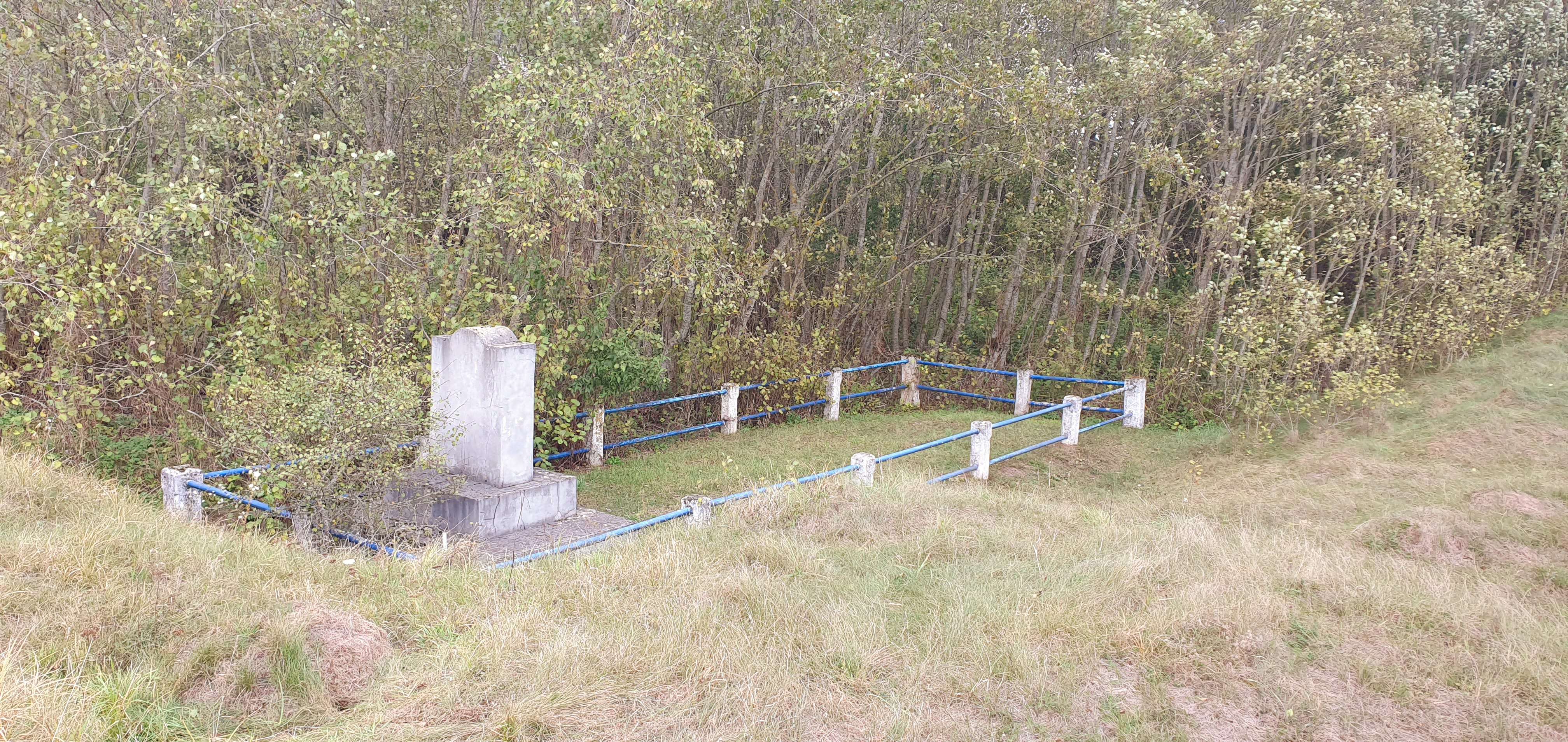
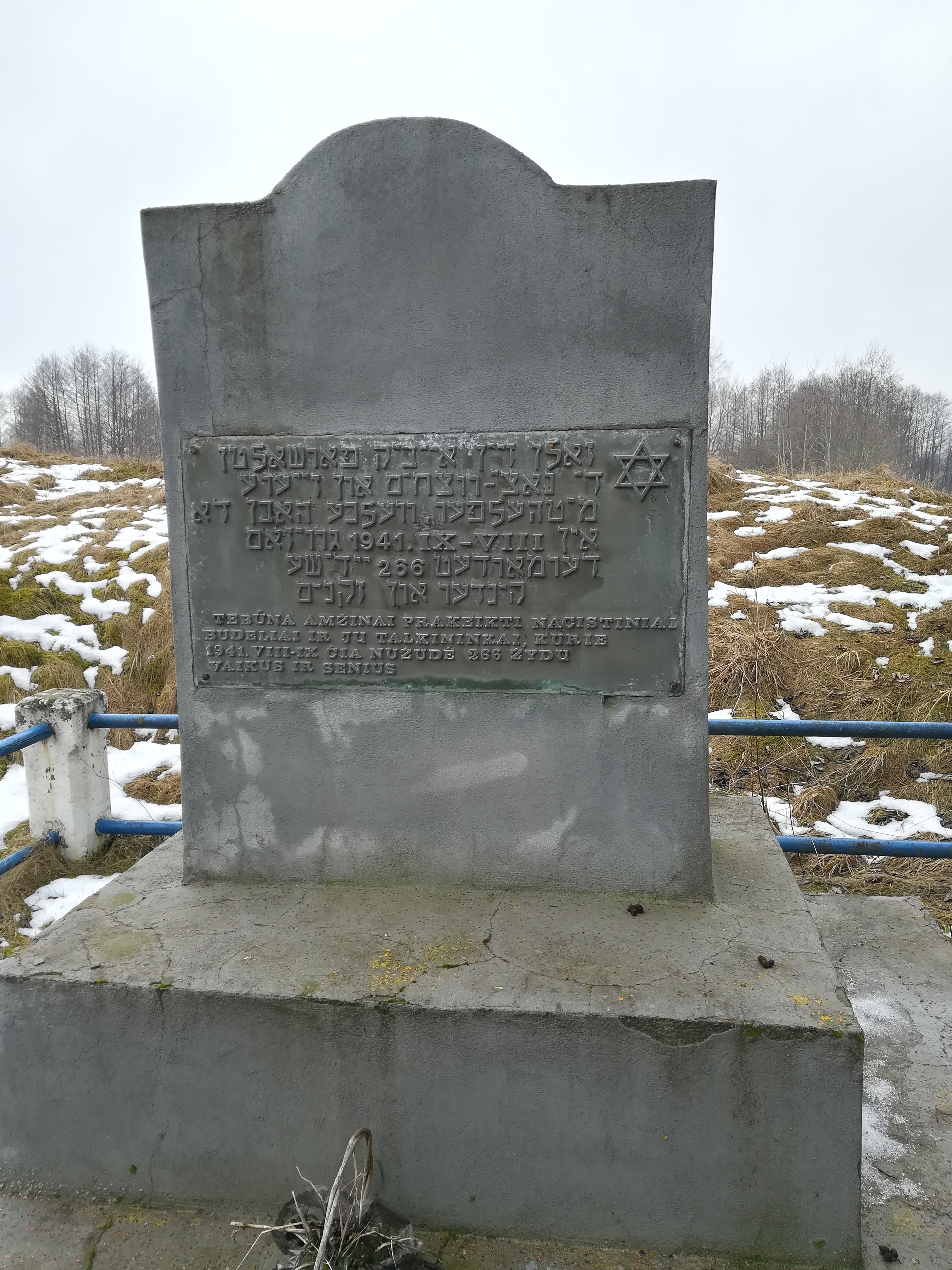
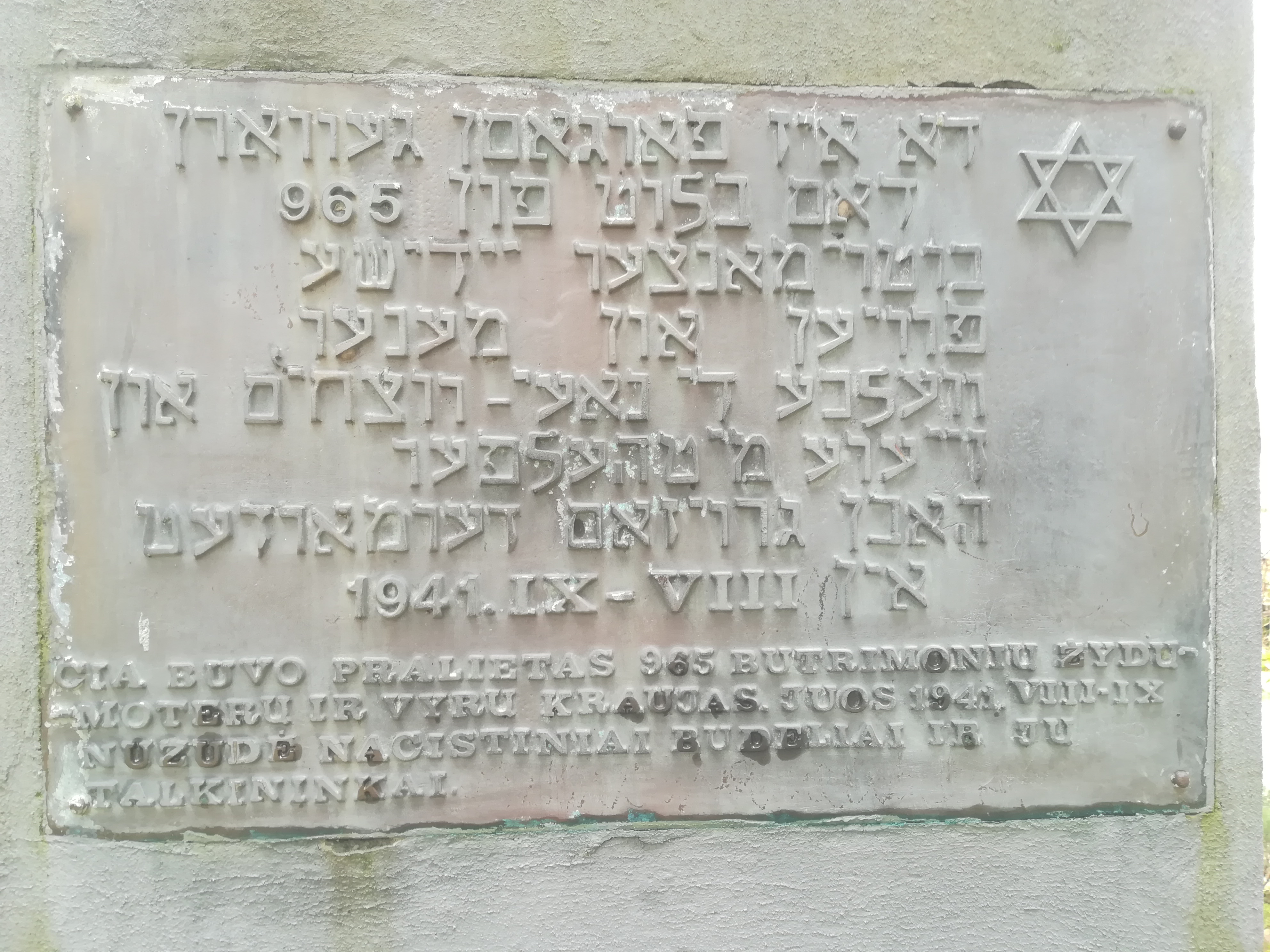
At the end of August, a ghetto was set up in Butrimonys, holding 600–1,000 Jews, including residents from Stakliškės and Punia. On September 9, 1941, the entire ghetto population was taken to Klydžionys, about 2 km from the town, where they were executed in prepared mass graves. In total, 770 Jews were murdered: 67 men, 370 women, and 303 children.
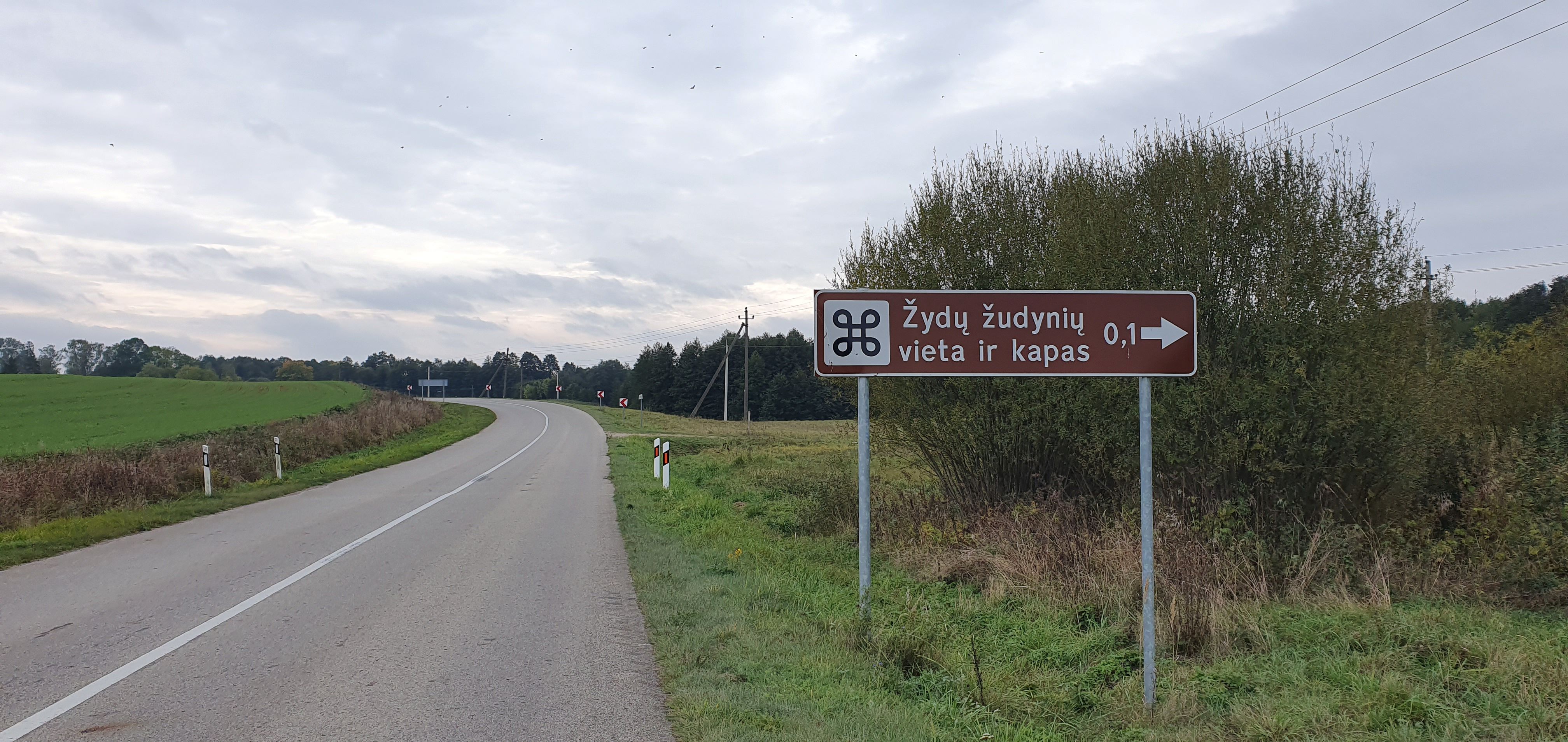
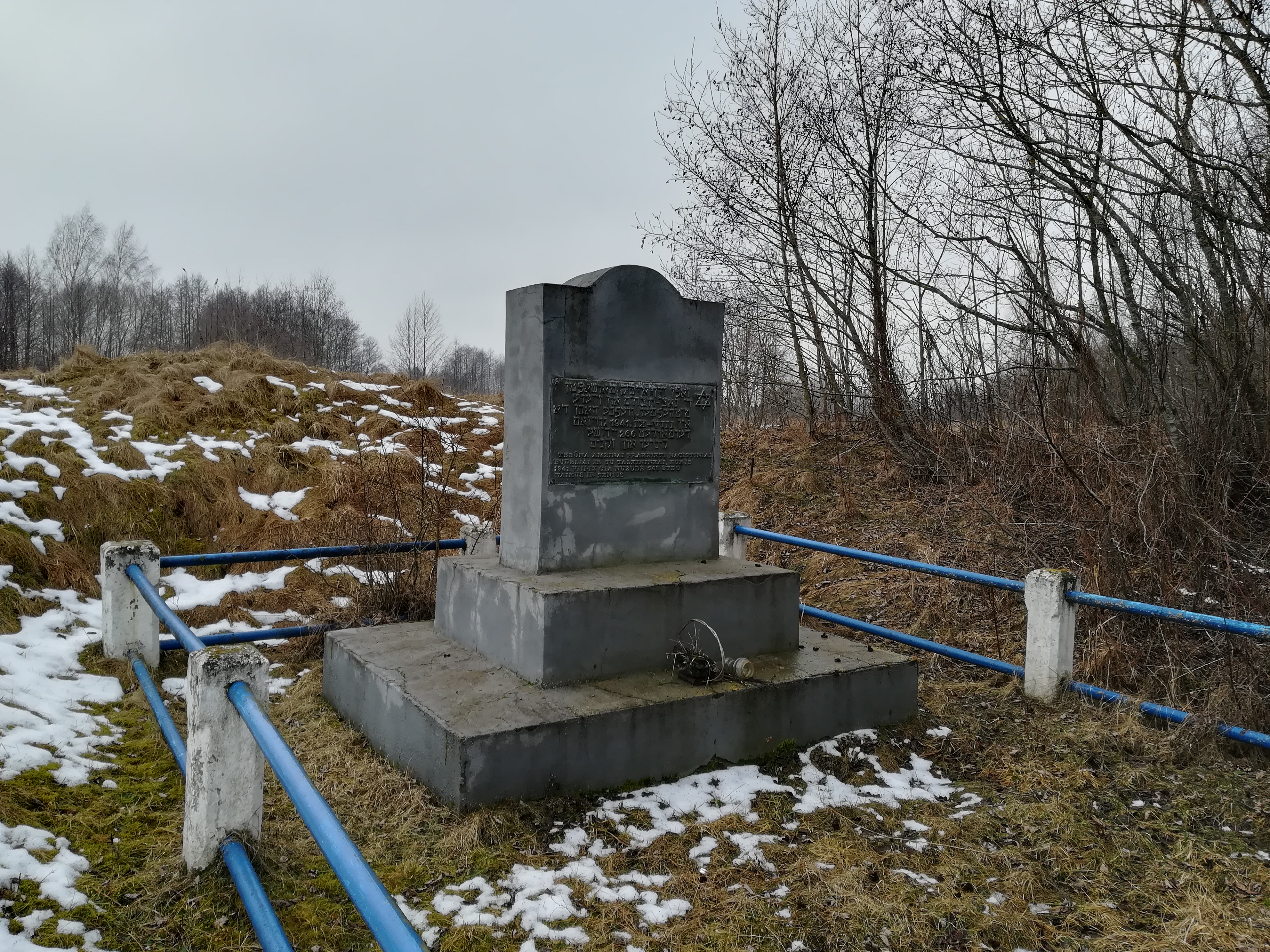
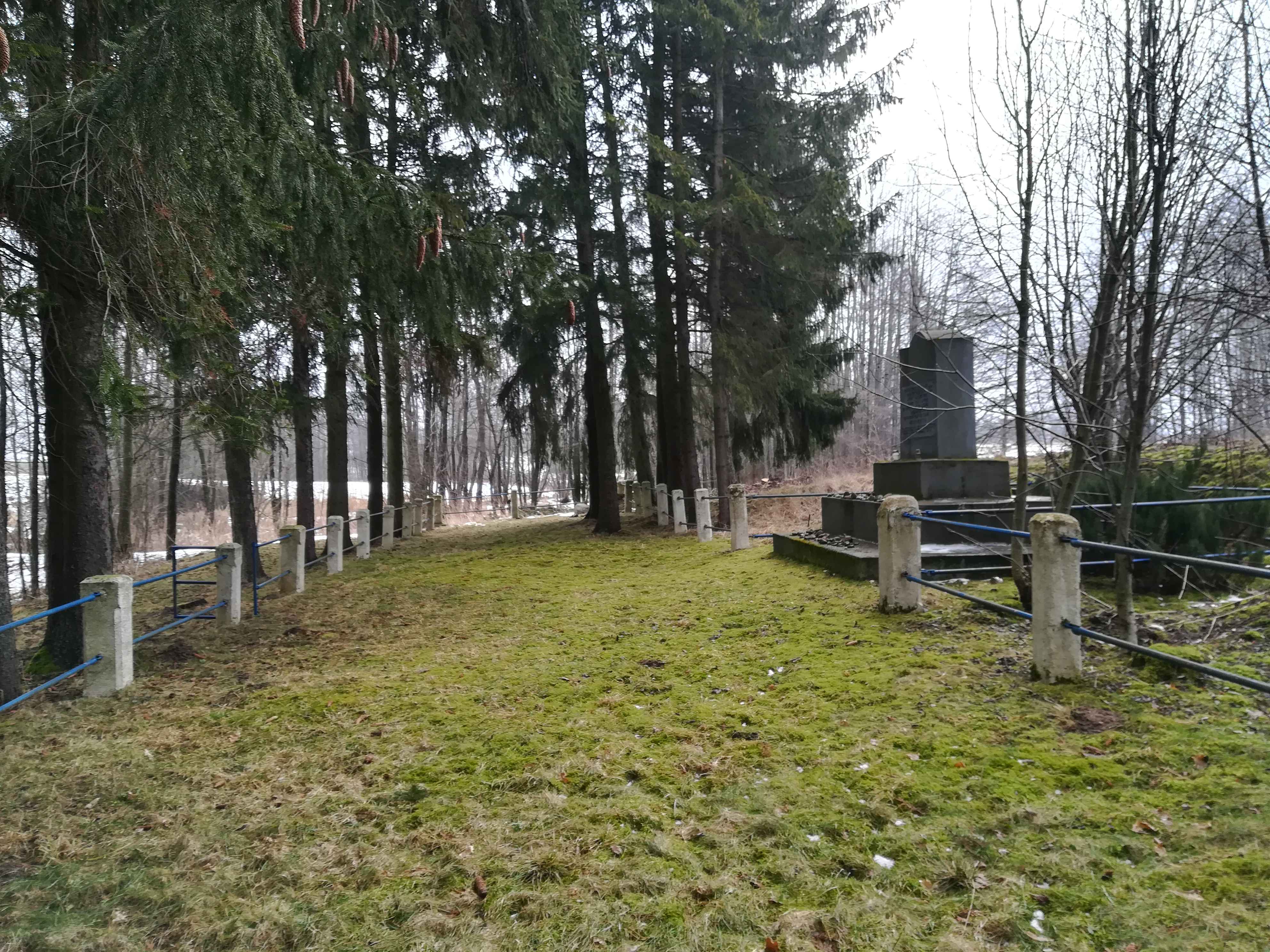
There are three Holocaust memorials in and around Butrimonys, and a fourth one in Alytus, in Vidzgiris Forest. If you travel to Butrimonys, I invite you to visit these sites and remember the people who once lived in the town.
Only about 15 Butrimonys Jews survived. I would like to share the story of one Jewish family that survived the Holocaust.
The Donskis family lived in Butrimonys for several centuries. Icchakas (Icka) Donskis and his wife Batia (Basia) had three children – Shmuel, Leiba, and Shepsel. Sadly, Shmuel, as well as Icka’s brother and sister-in-law, did not survive the Holocaust, but the rest of the family were among the 15 Jews from Butrimonys who did.
Icchakas managed to hide his family for three years in cornfields, forests, and haystacks. In winter, they were sheltered by local farmers – later he remembered the Jakubauskas and Šiuckas families, as well as Stirnienė, who helped them. At the most difficult moments, he considered ending all their suffering, but his sons convinced him not to give up.
One of those sons, Shepsel, was the father of Leonidas Donskis, mentioned earlier.
Another story from the Butrimonys area is connected with the local Muslims, who helped save two Jewish girls from Butrimonys.
Jonas and Felicija Radlinskas lived in the village of Raižiai, near Butrimonys. In 1942, two Jewish sisters, Dora and Shifra Reznik, came to their home after escaping the mass killing of Butrimonys Jews in September 1941. They had been moving from village to village in hiding and were the only survivors of their family.
The Radlinskas family agreed to shelter them, hiding the girls in the house, barn, and even in the fields. A hiding place was prepared under the floor for moments of danger. Felicija taught them sewing, and the sisters read newspapers aloud to the family.
They remained in hiding until August 1944, when they were liberated. Both kept in touch with their rescuers throughout their lives.
Jonas and Felicija Radlinskas were recognized as Righteous Among the Nations in 2000.
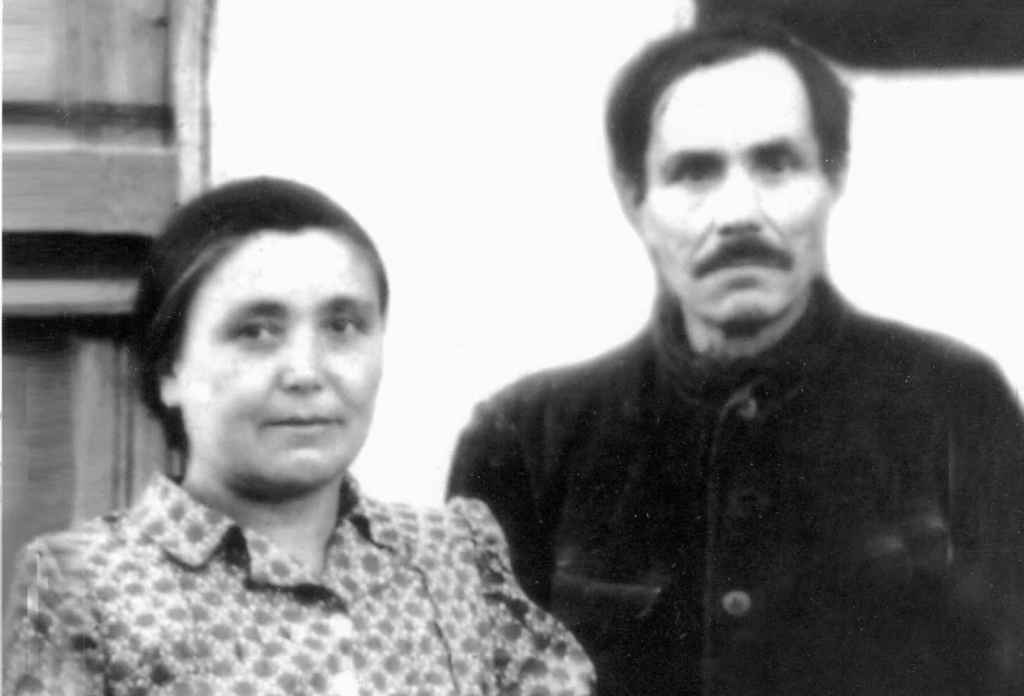
Credit: Vilna Gaon Jewish State Museum
For now – let’s take a walk through Butrimonys.
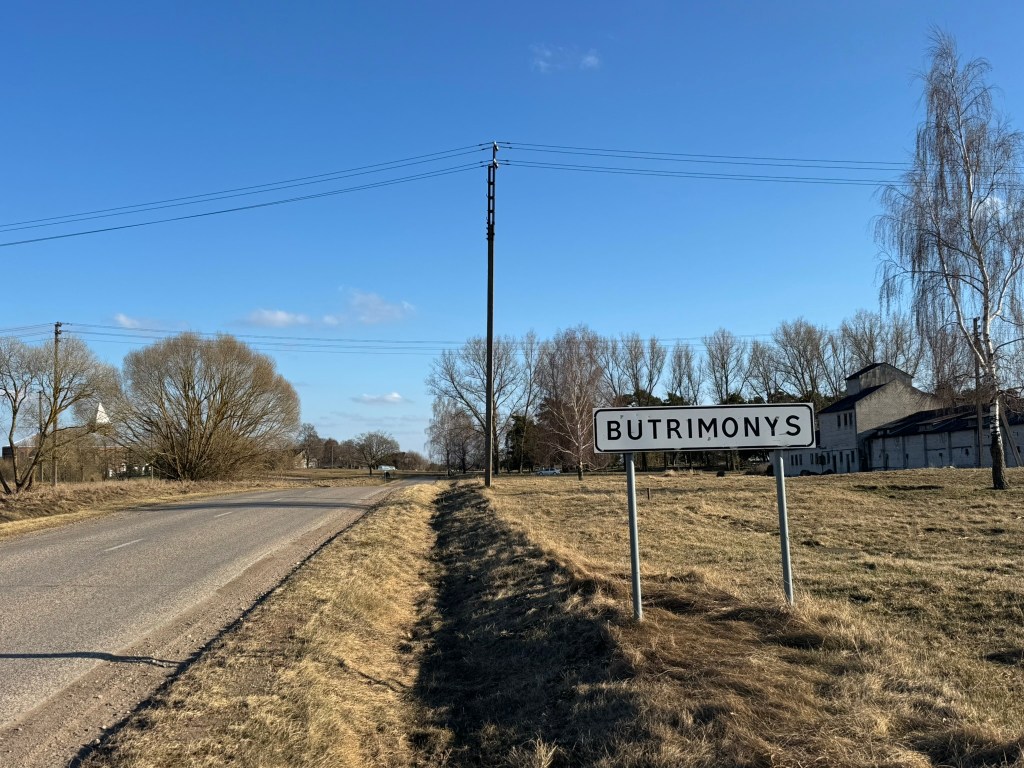
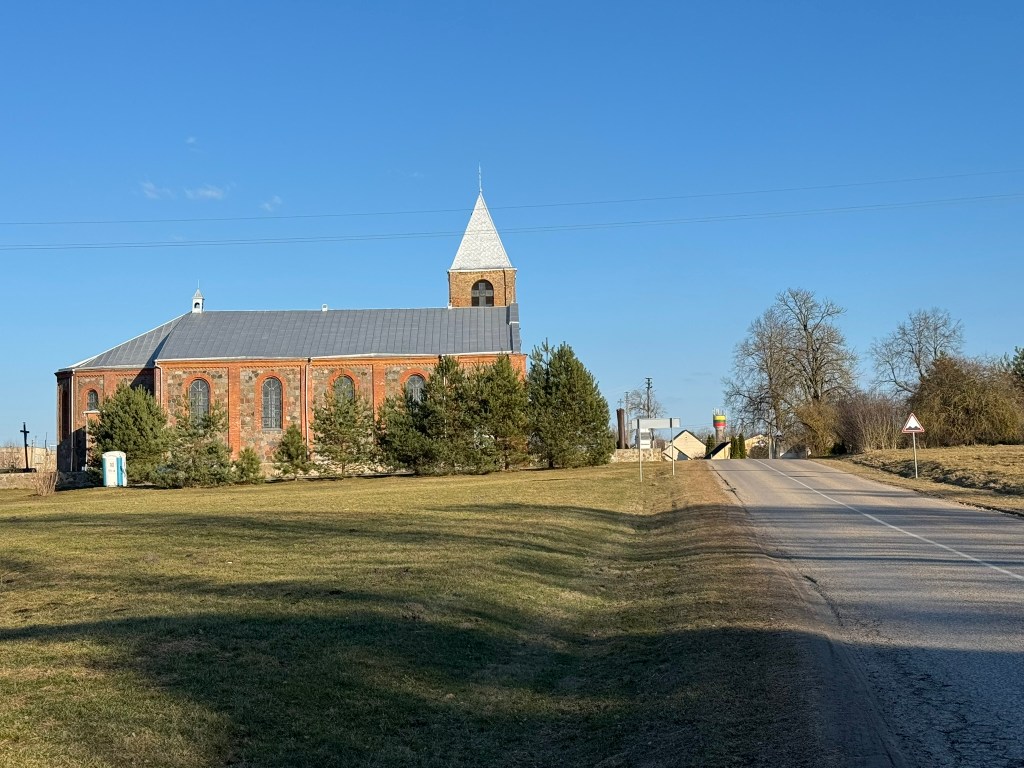
Approaching Butrimonys from the Punia road.
The single-tower Church of the Savior in Butrimonys, built in 1926
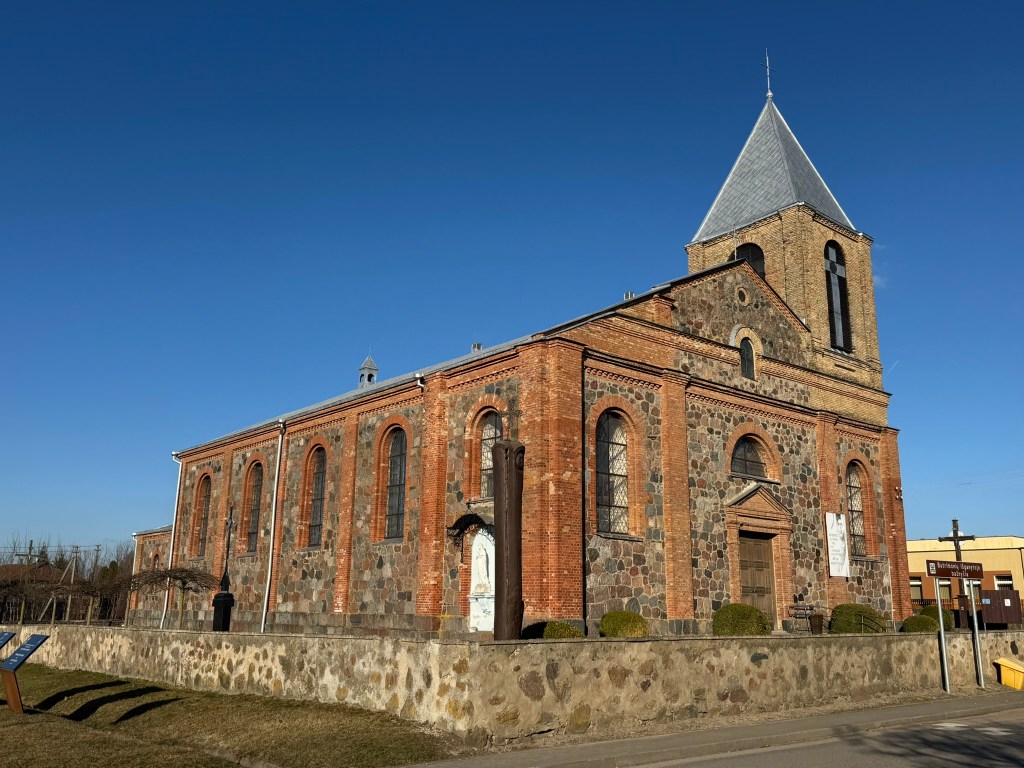
The church stands a little outside the town center, right by the entrance to the town. Behind it is the Jewish cemetery, which I will introduce later.
In the town’s central triangular square, you can get to know the history of Butrimonys. Inside the eldership building, I found a display that also tells the story of the Jewish community.
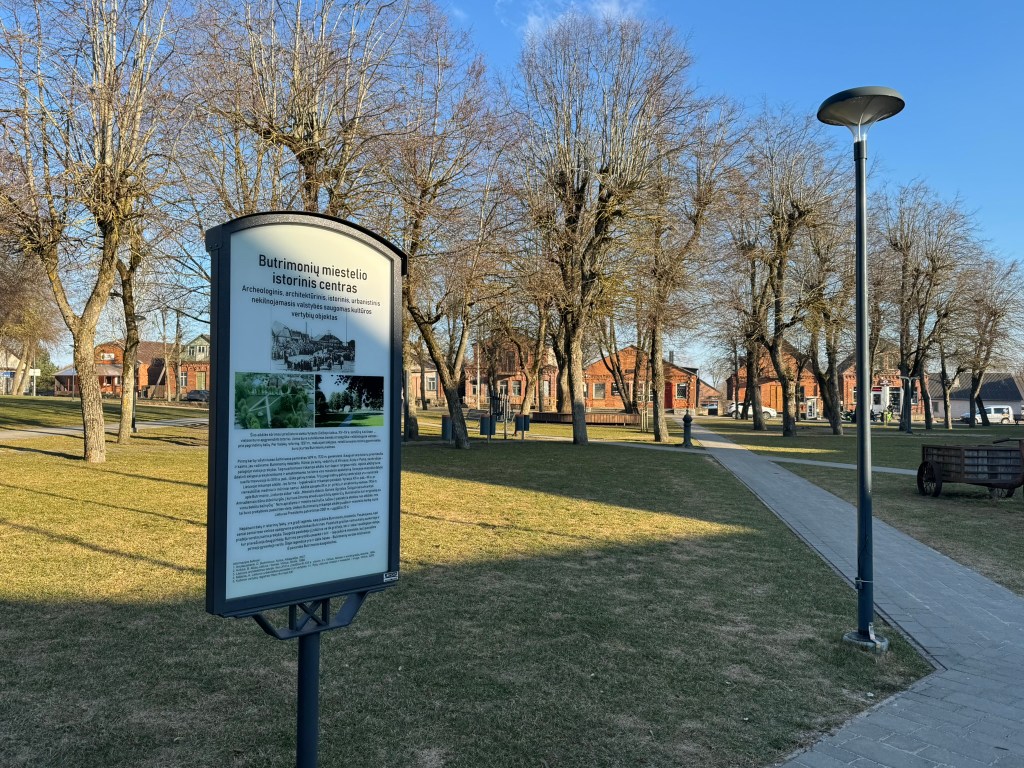
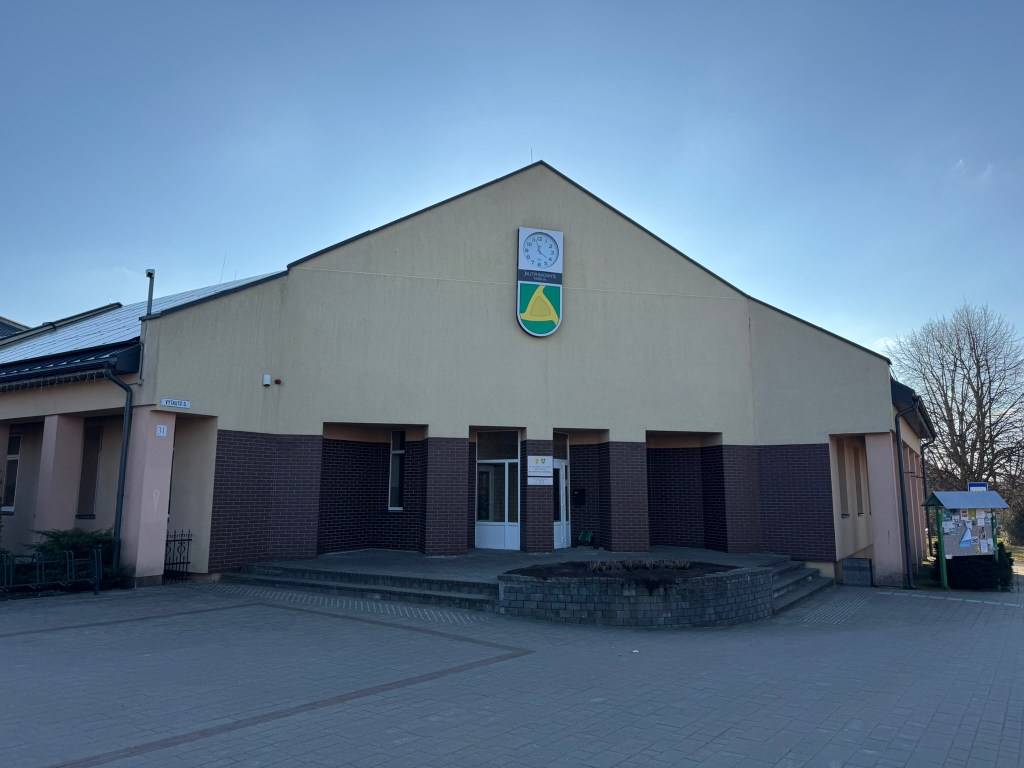
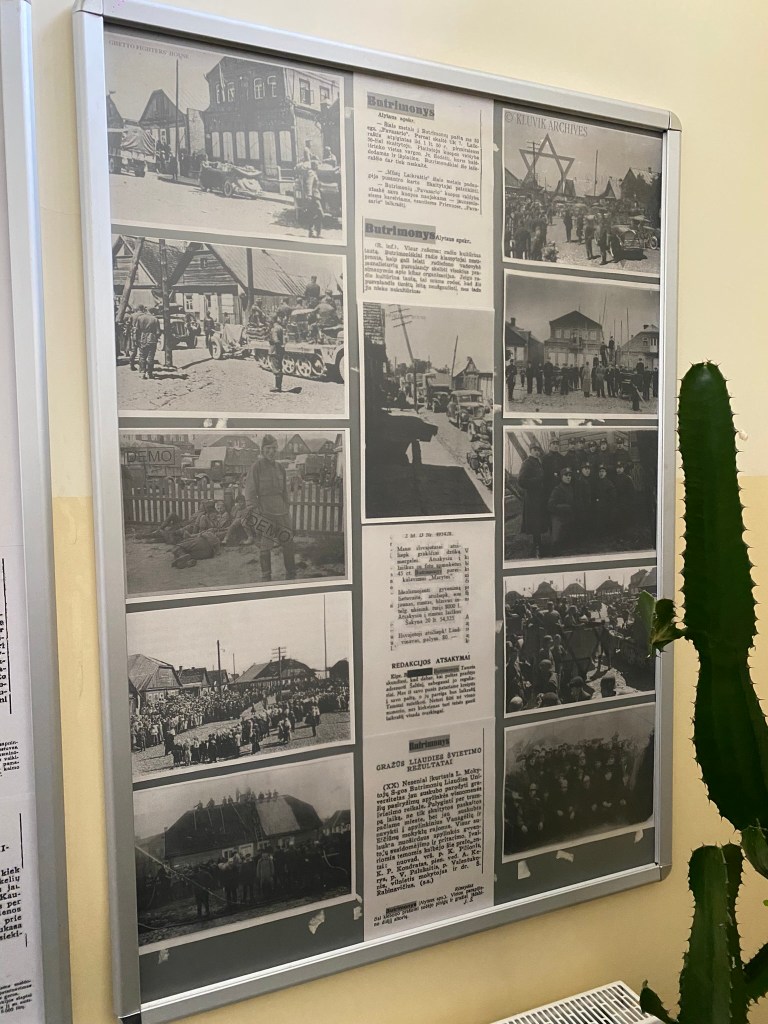
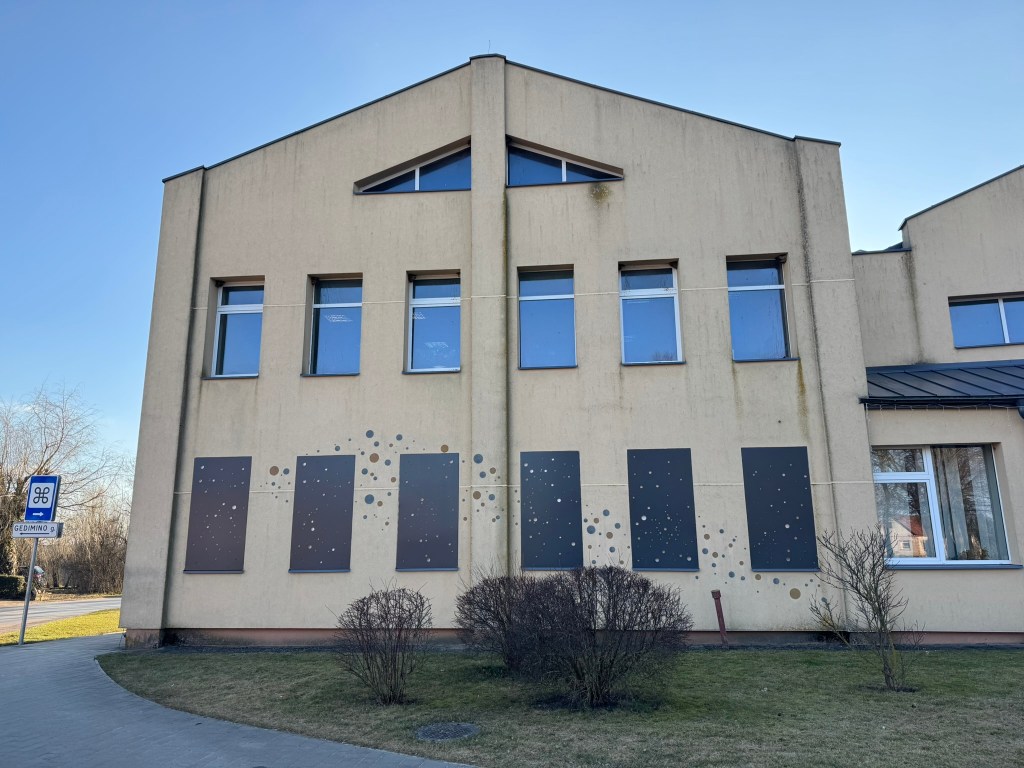
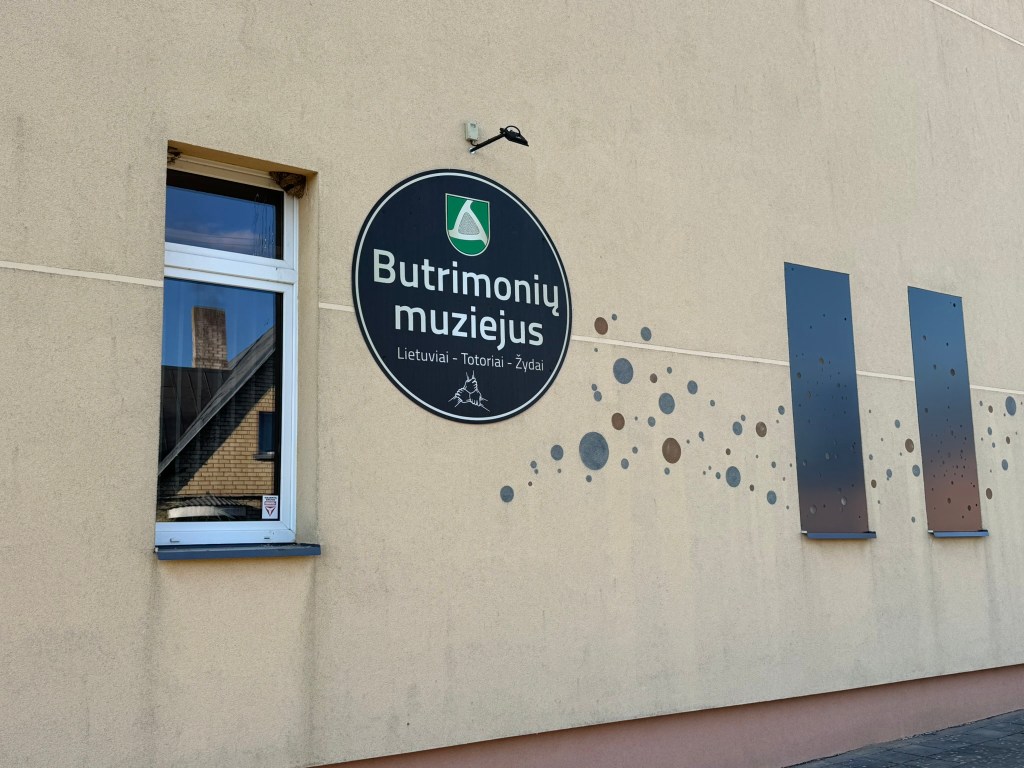
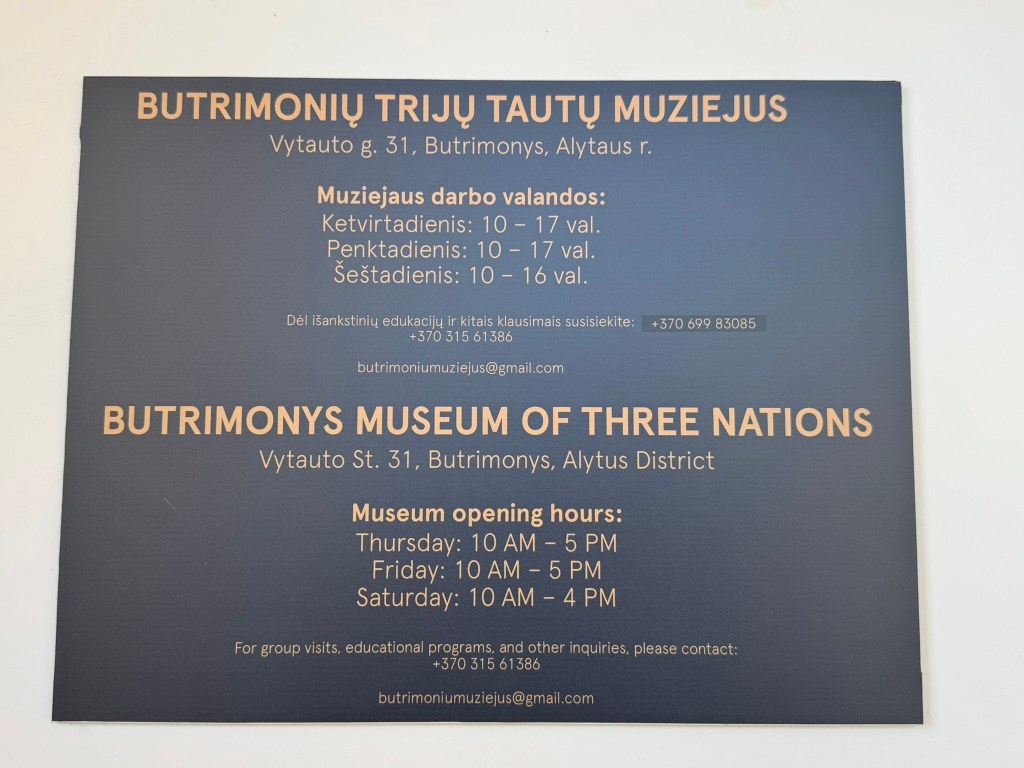
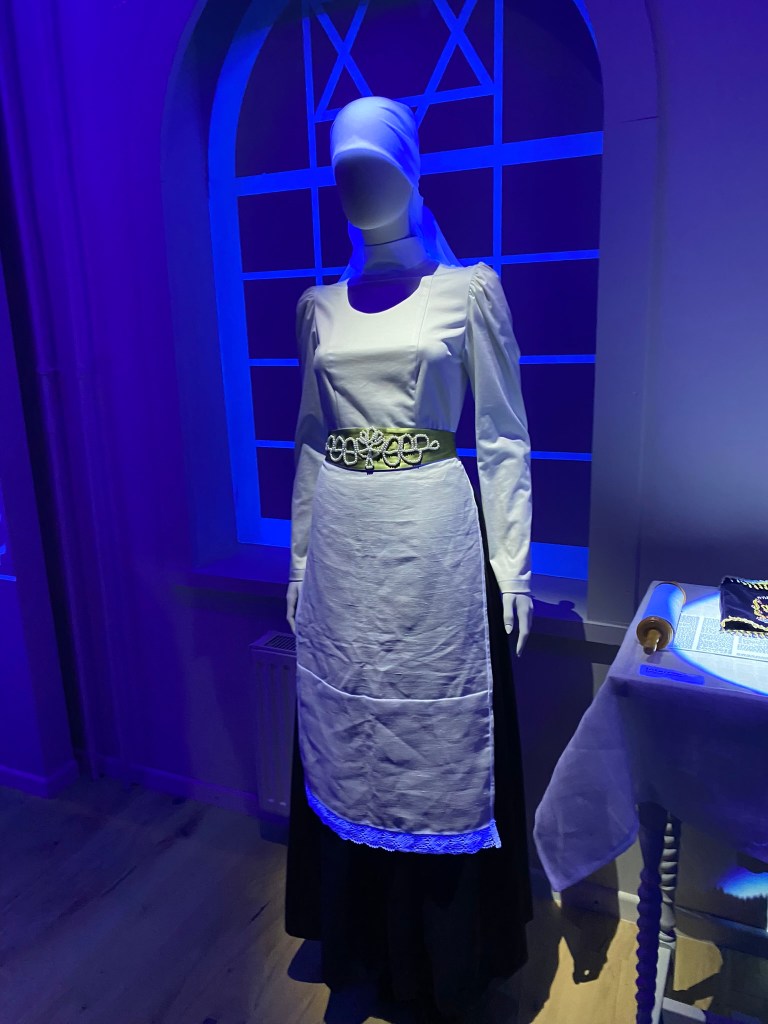
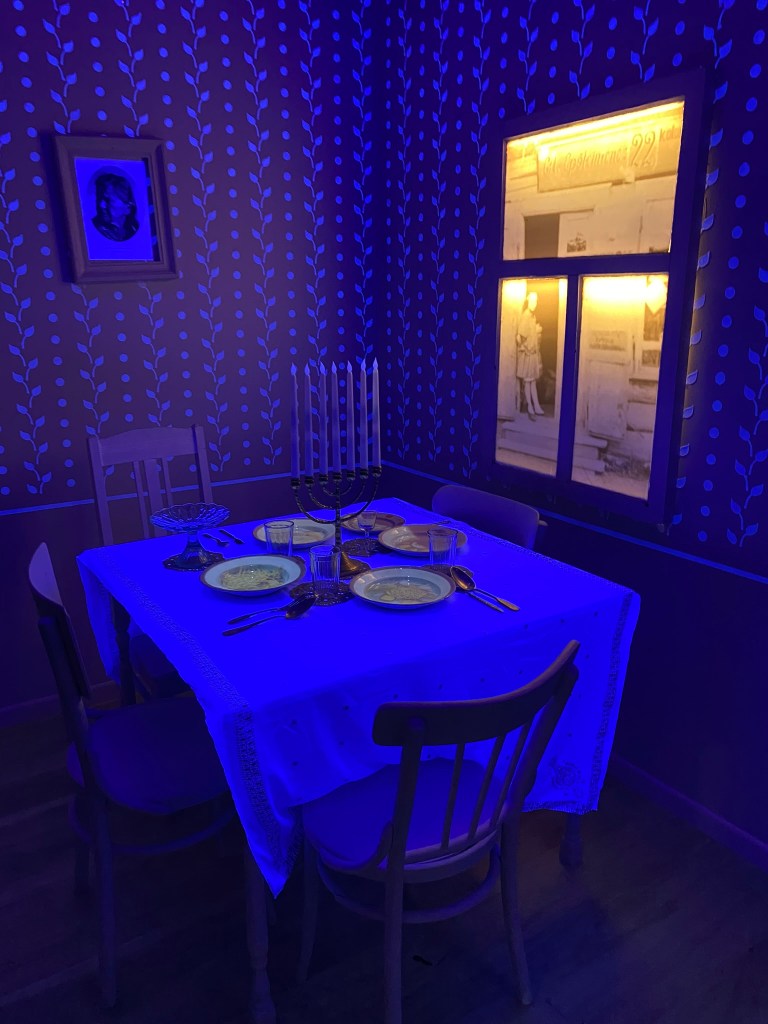
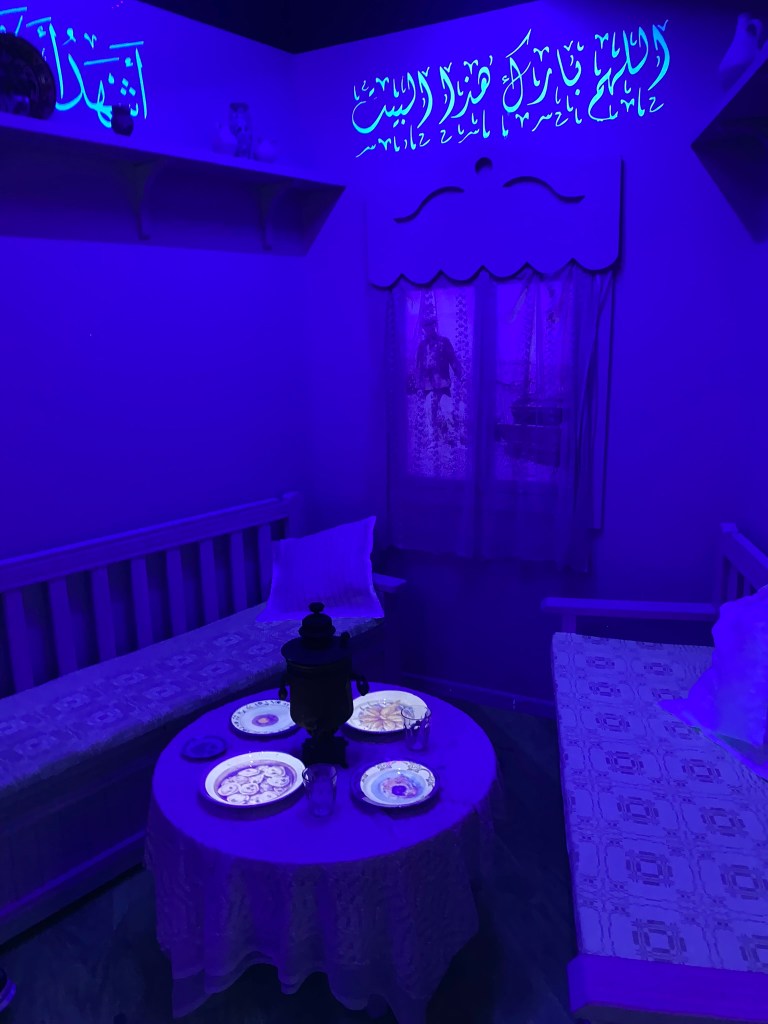
In the same square is the Butrimonys Museum, which tells the story and traditions of the three communities that lived here – Lithuanians, Jews, and Tatars. The museum has a very interesting exhibition, but I have never been able to find it open to the public. A couple of years ago, I arranged a personal visit for our group. Whether it is currently open according to regular hours is hard to say – try checking and let me know if you manage to visit.
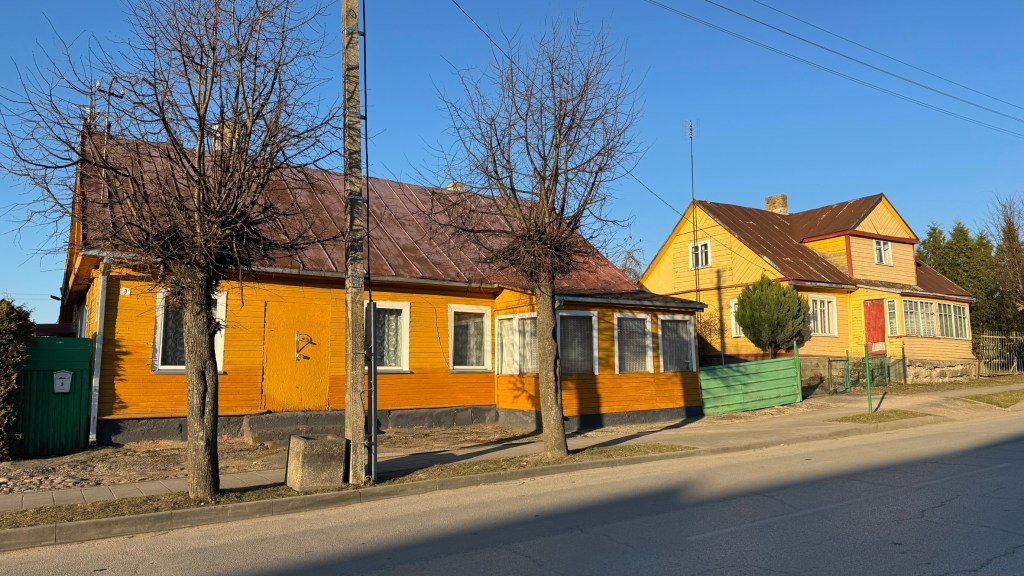
Many brick buildings from the early 20th century, some constructed after the fire of 1907, surround the market square of Butrimonys. Former Jewish commercial buildings can often be recognized by two separate entrances in the main façade – one leading to the living quarters, the other to the business premises.
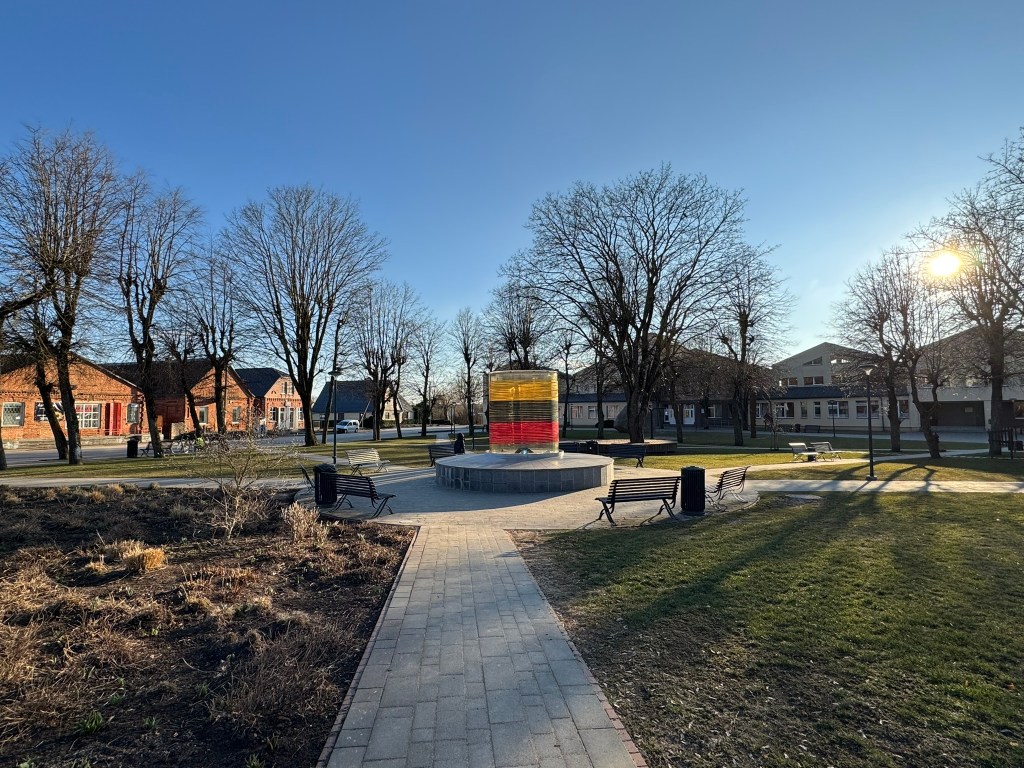
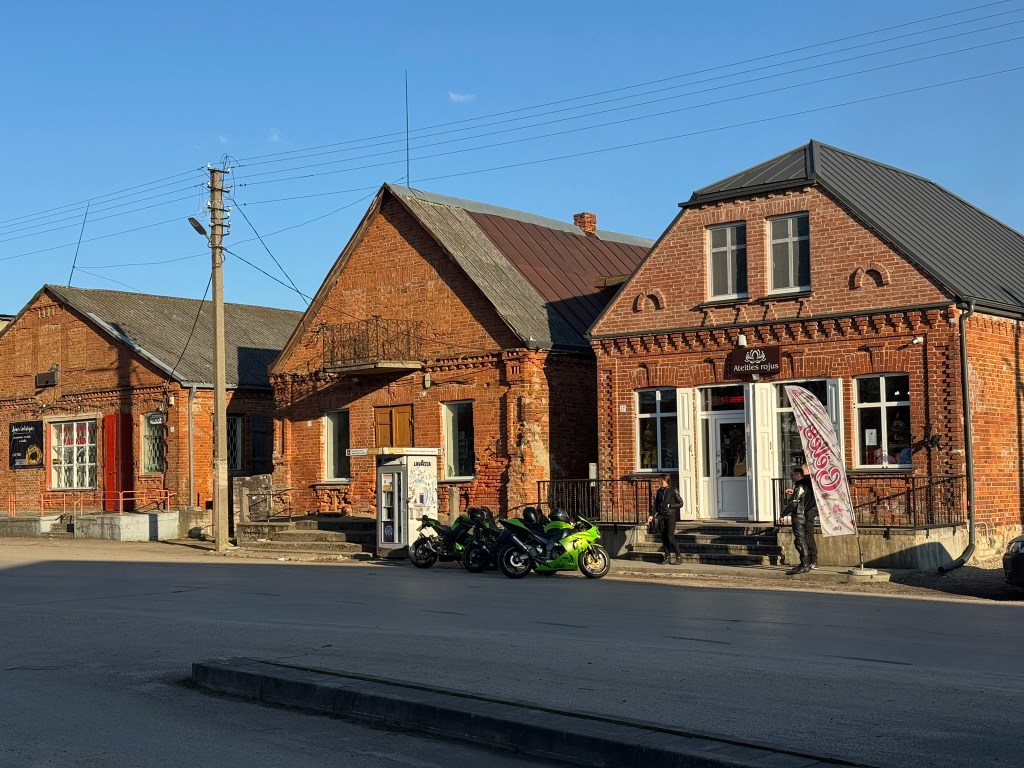
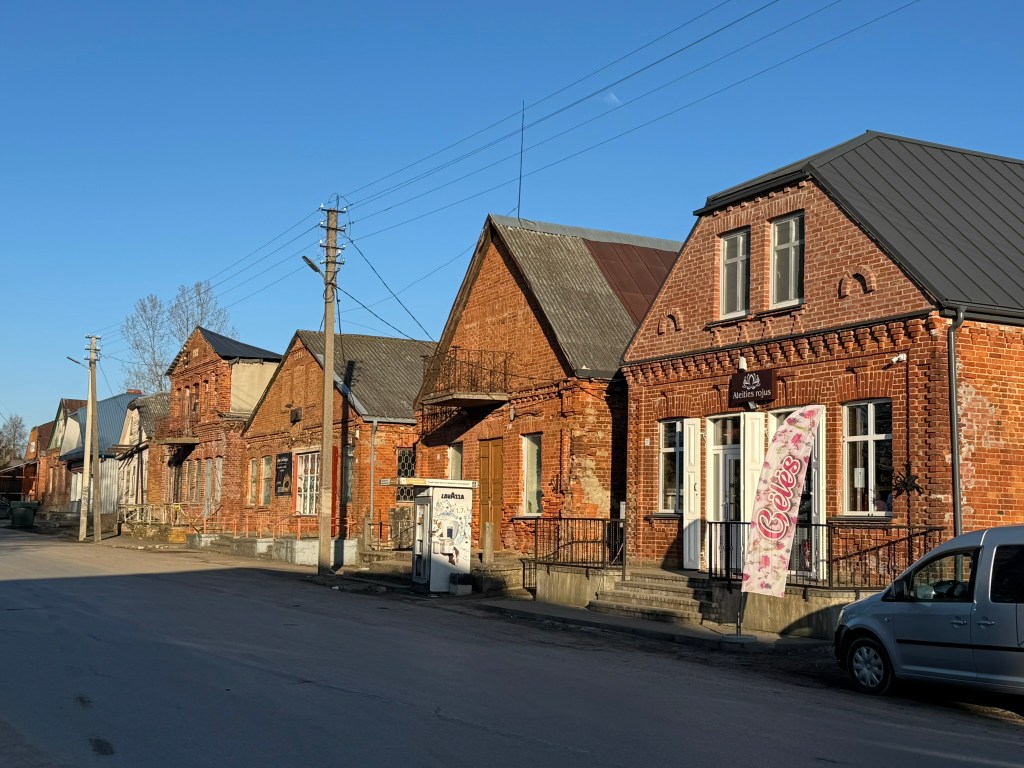
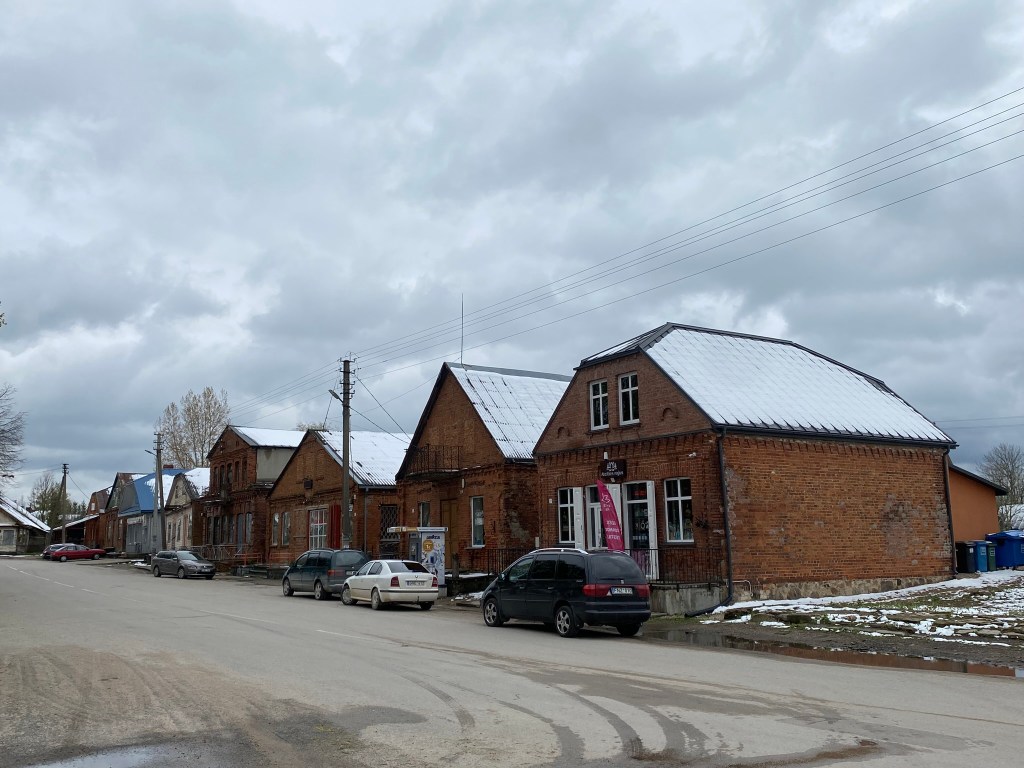
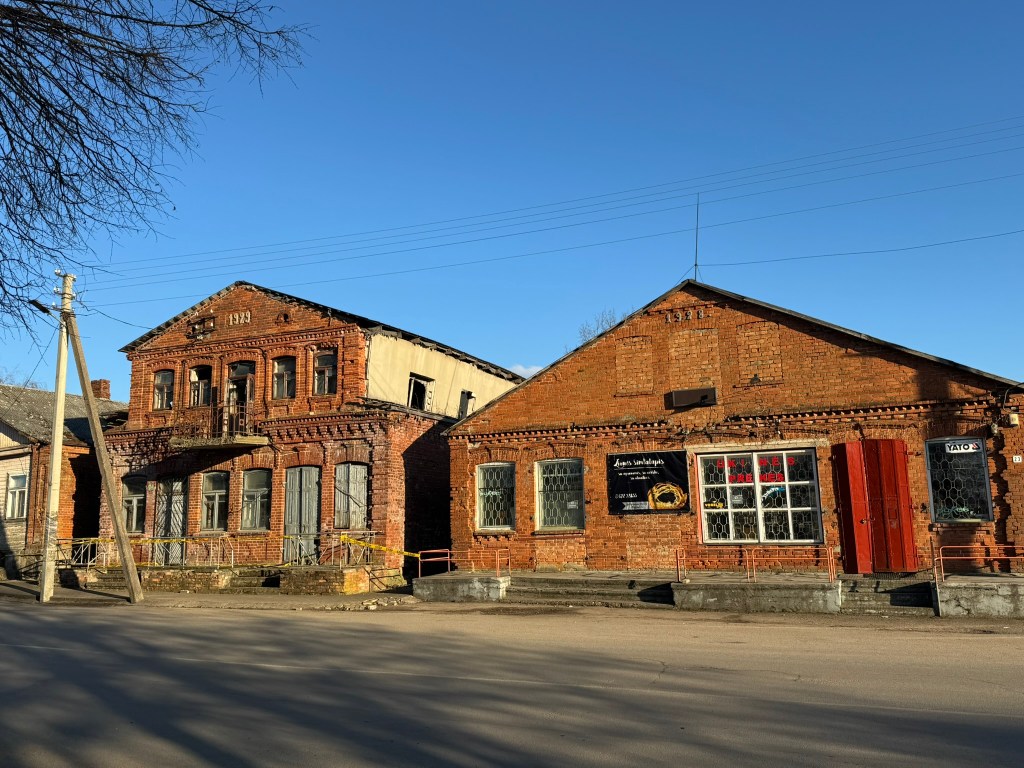
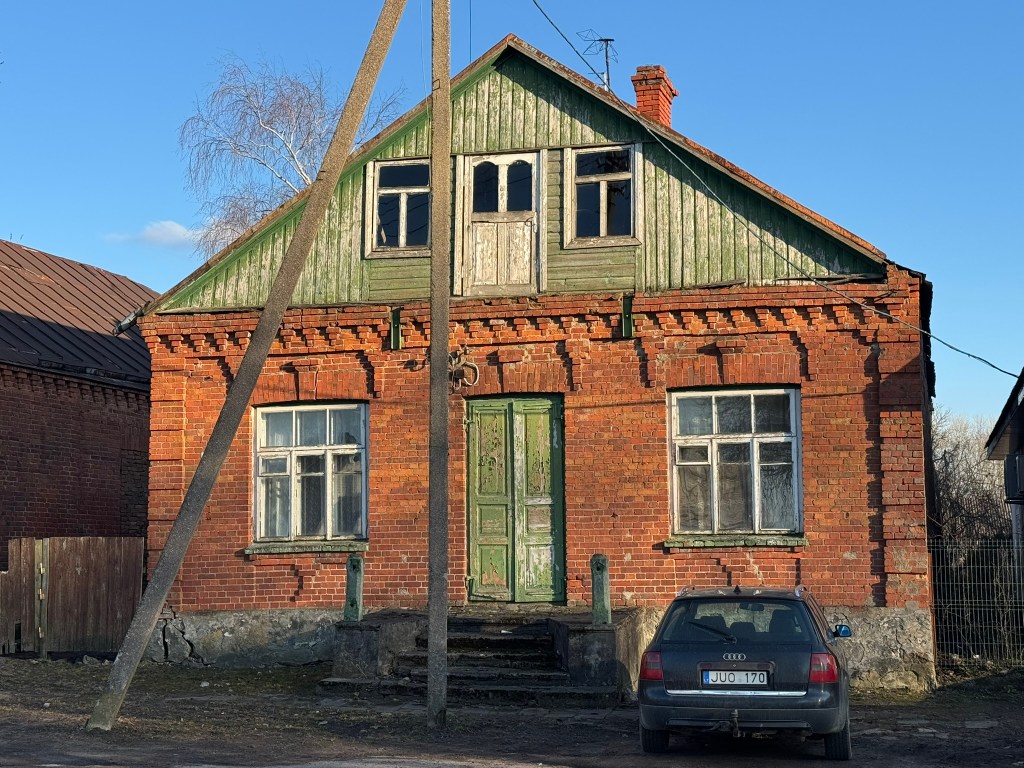
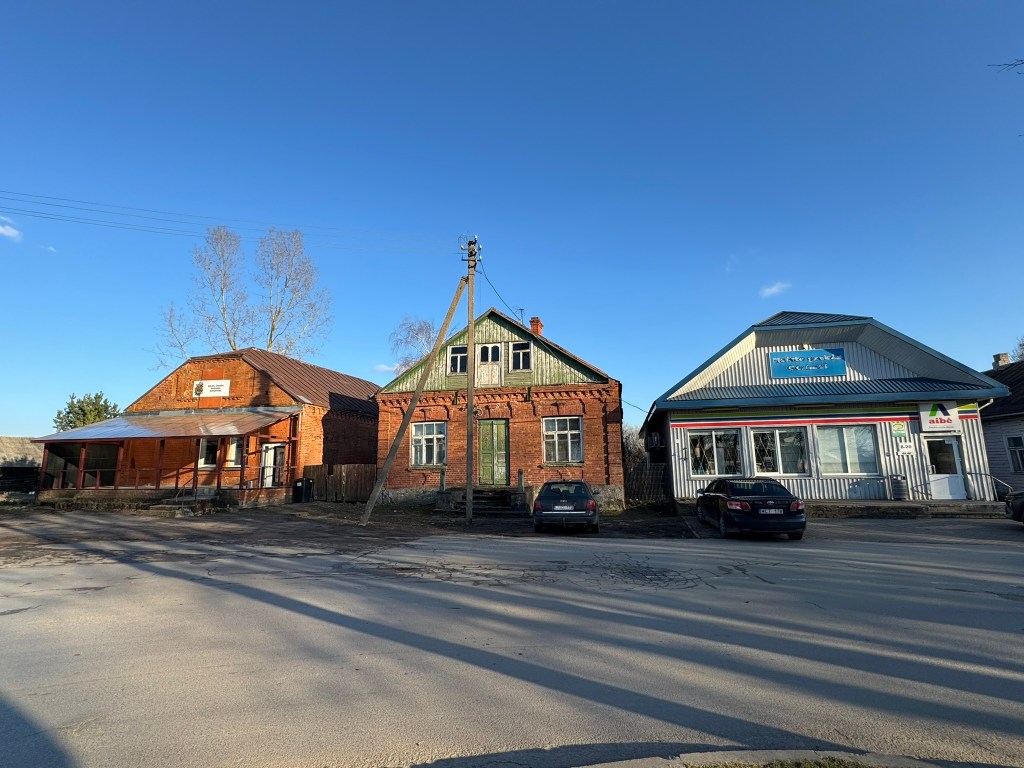
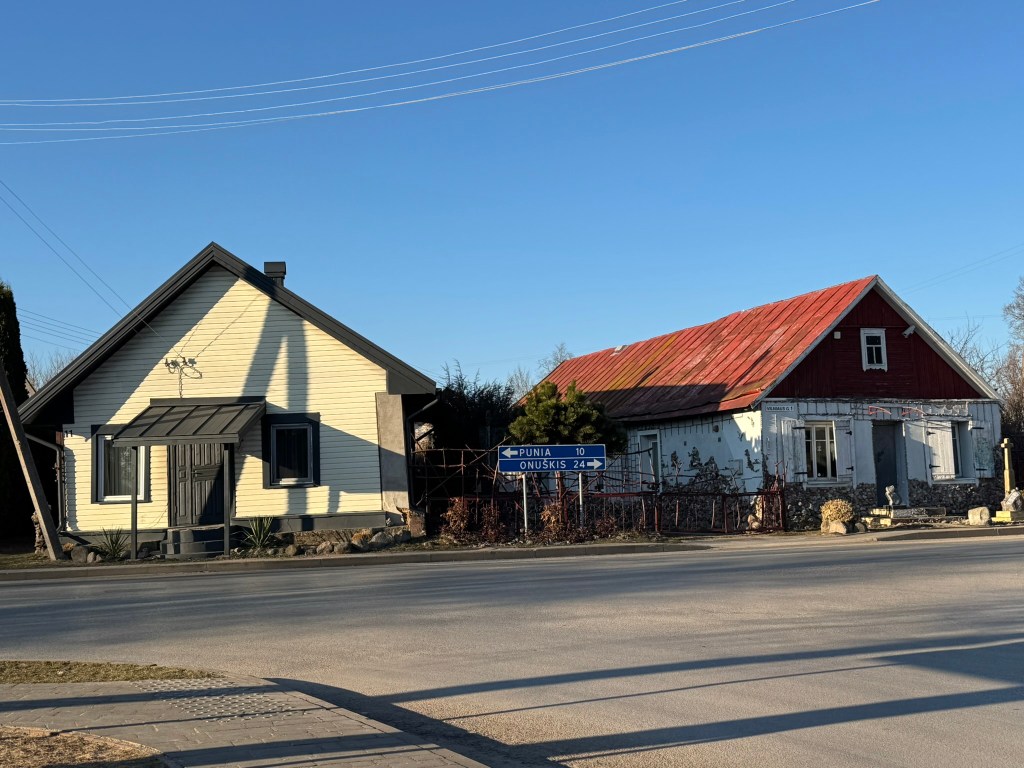
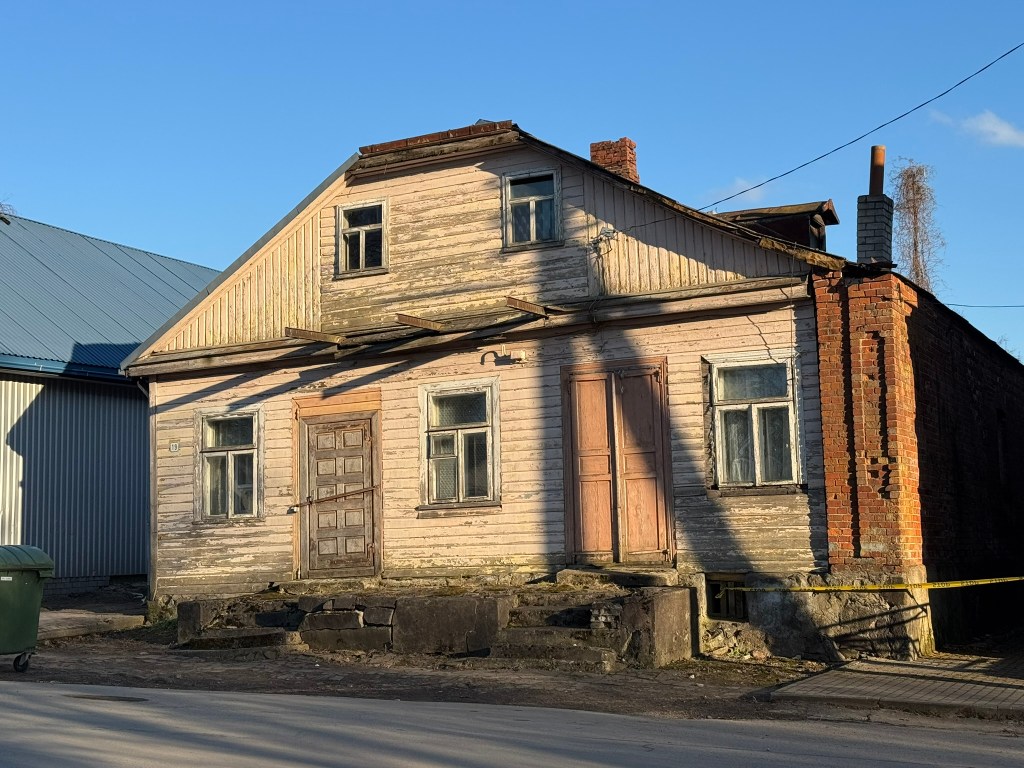
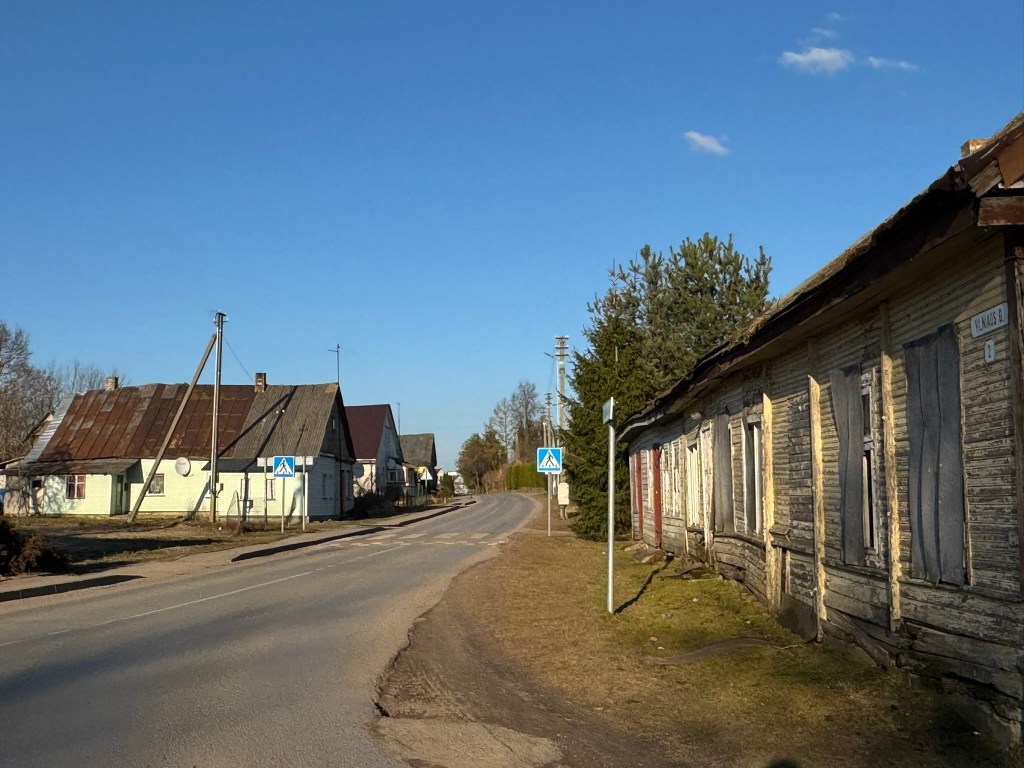
The Shenker House, one of the most distinctive buildings on the Market Square.
Senda Valvrojanski – better known as Senda Berenson Abbott – back in her hometown.
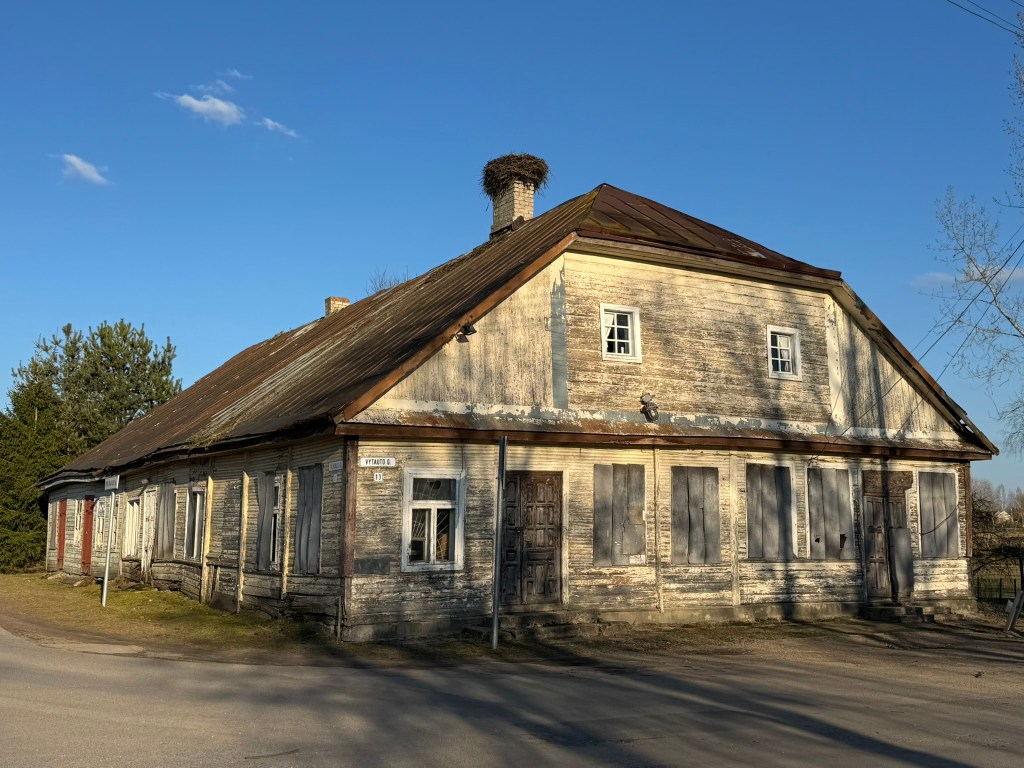
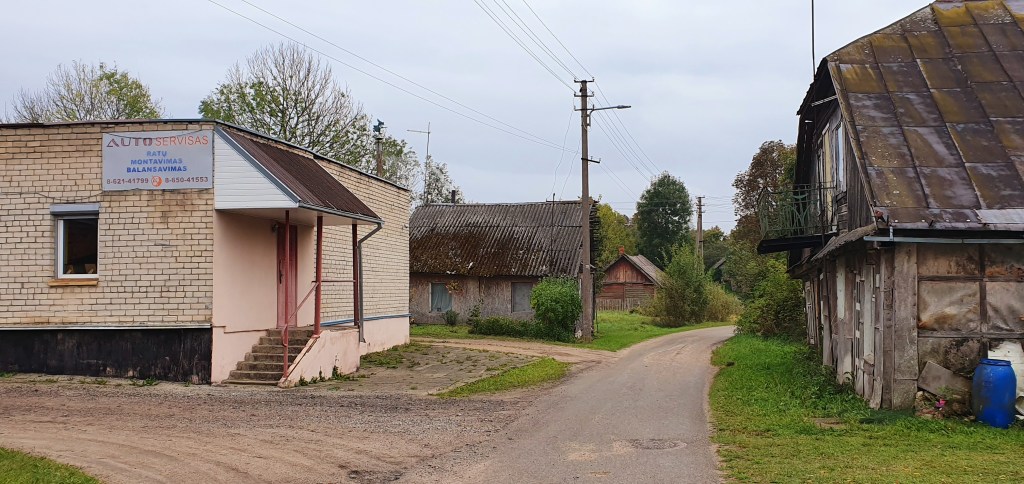
Just a bit off the main square you can see a red-trimmed auto repair shop. It was built on the site of the former synagogue. Whether any original walls, foundations, or other details remain, I don’t know. It is said that the synagogue was still standing until around 1979, and the new building was constructed around 1982.
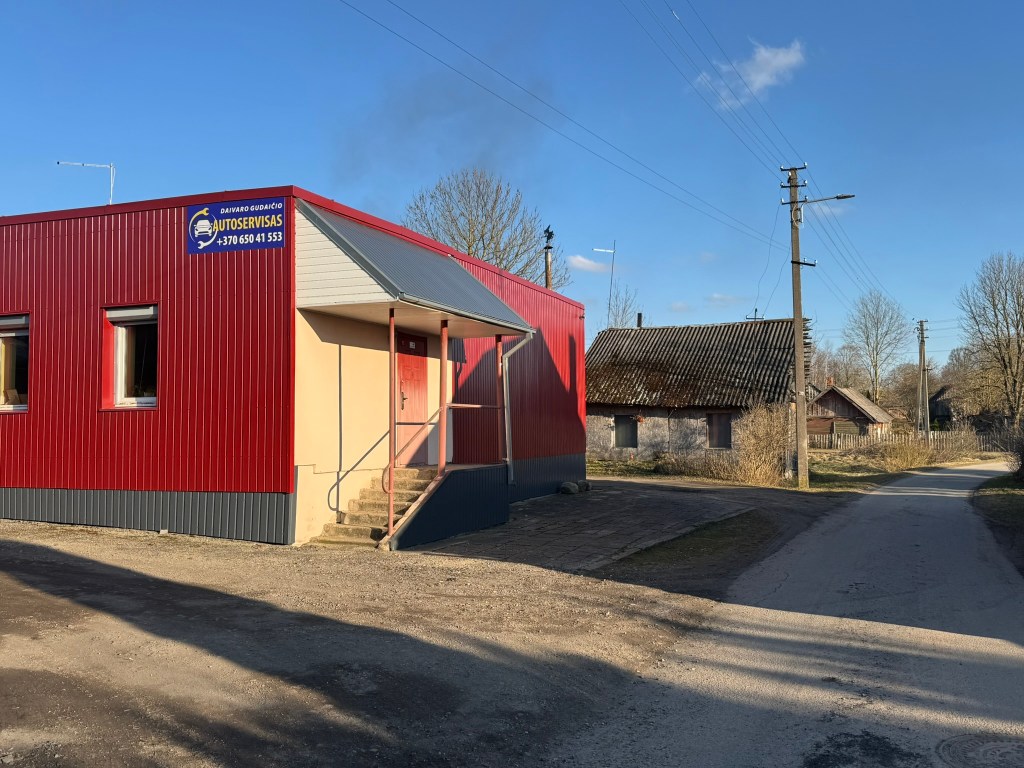
The same place in 2026 (left) and in 2023 (right). The building, built on the former synagogue site, is now renovated. The owner can tell you some stories from the prewar Jewish life.
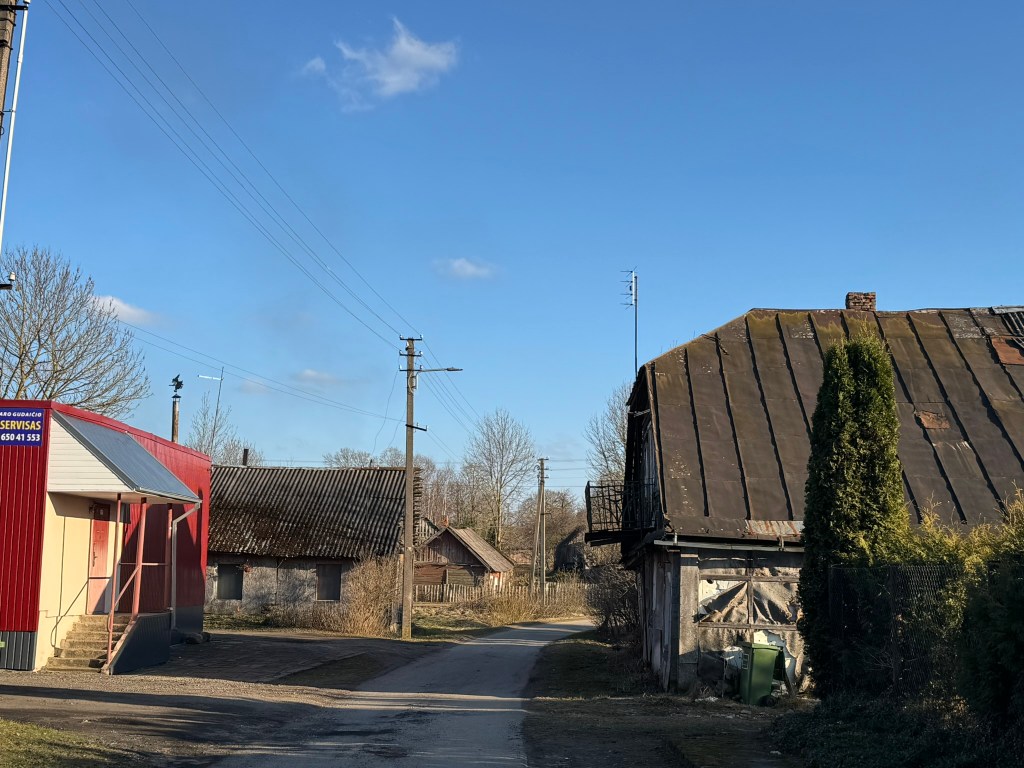
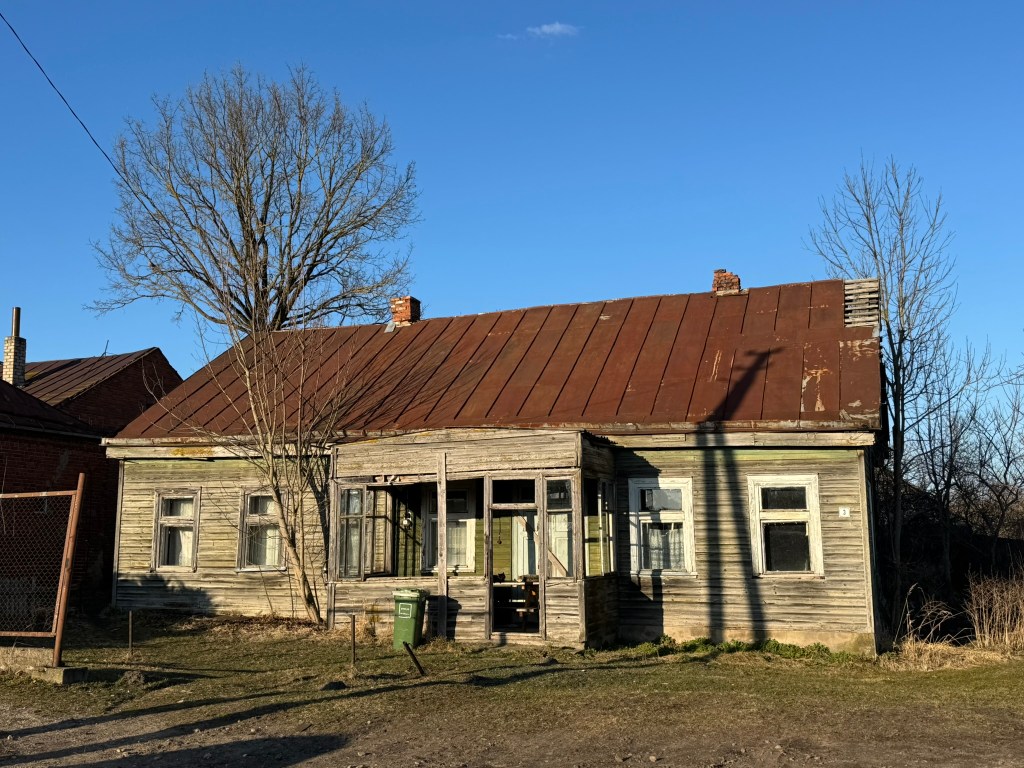
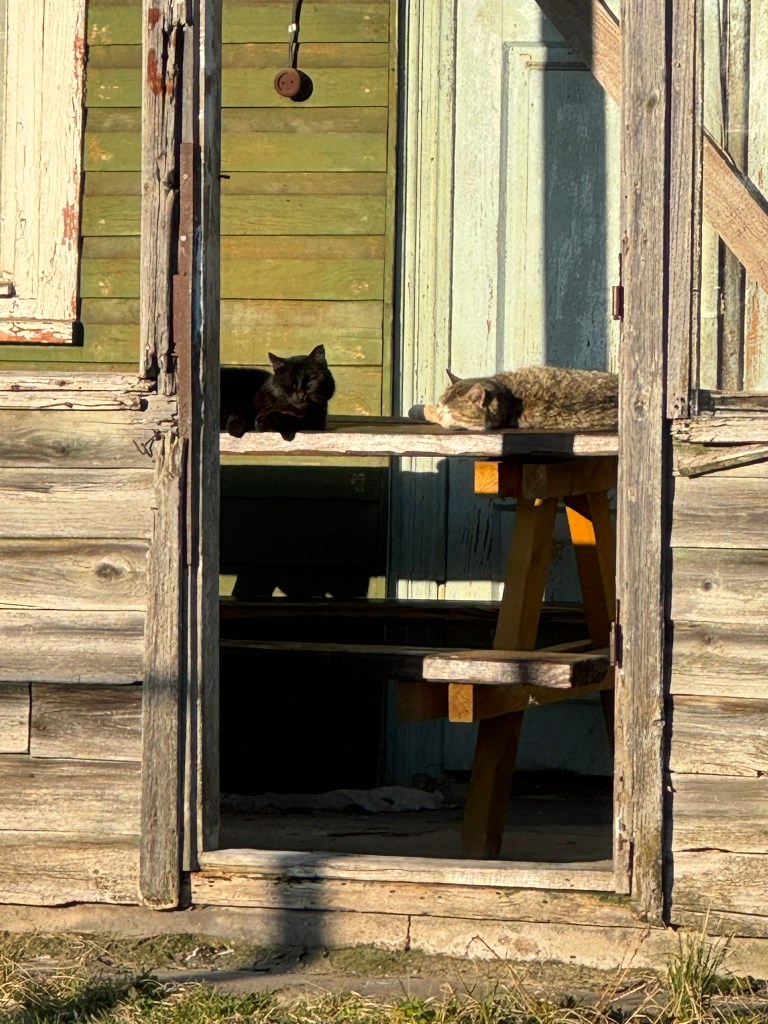
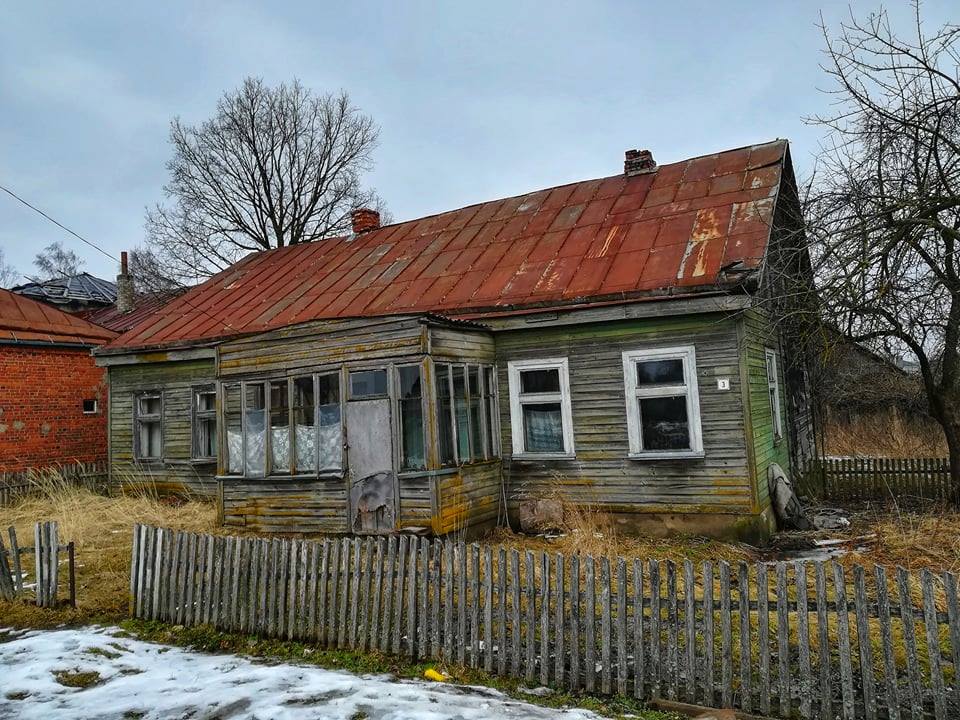
The Rabbi’s house in 2026 (left) and 2018 (right). The cats in the middle photo are from 2026.
Next to the car repair shop, near the former prayer house, stood the ritual bath. The building still exists. I had a chance to go inside. The walls are very thick, and the ceilings are supported by old railway tracks.
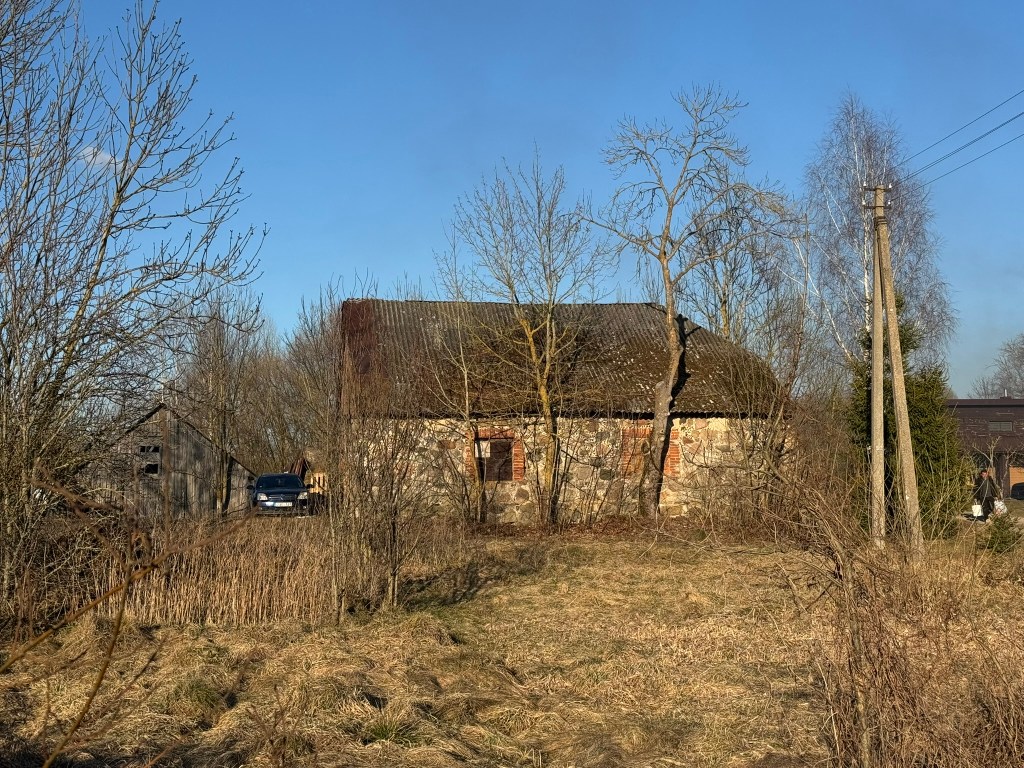
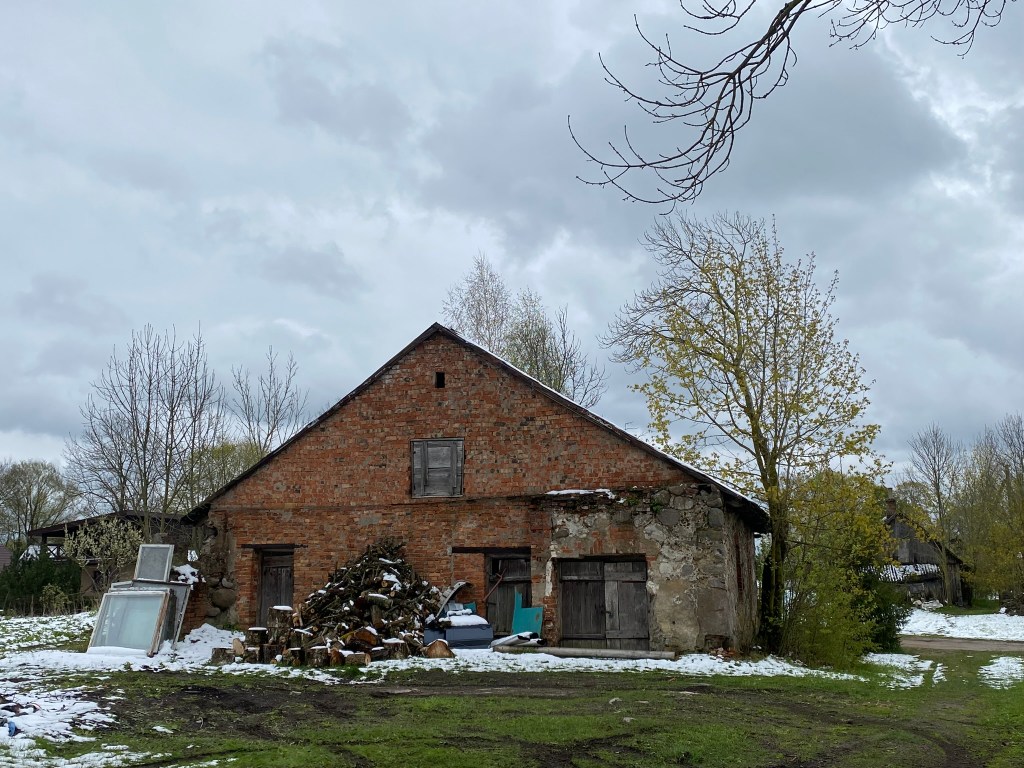
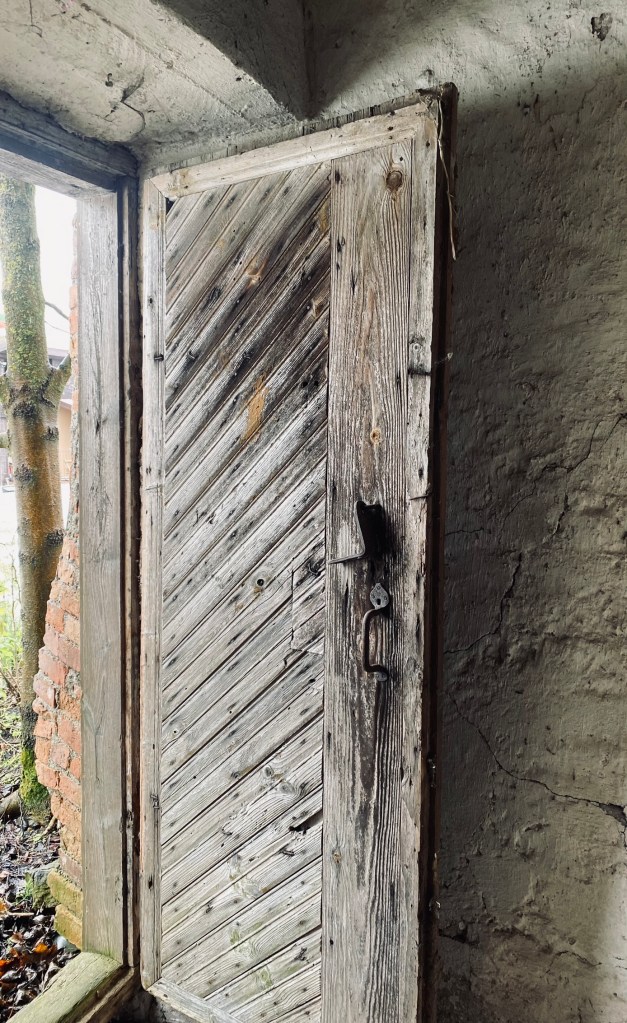
Some more Jewish houses next to the main square. The one in the middle used to belong to the Donskis family.
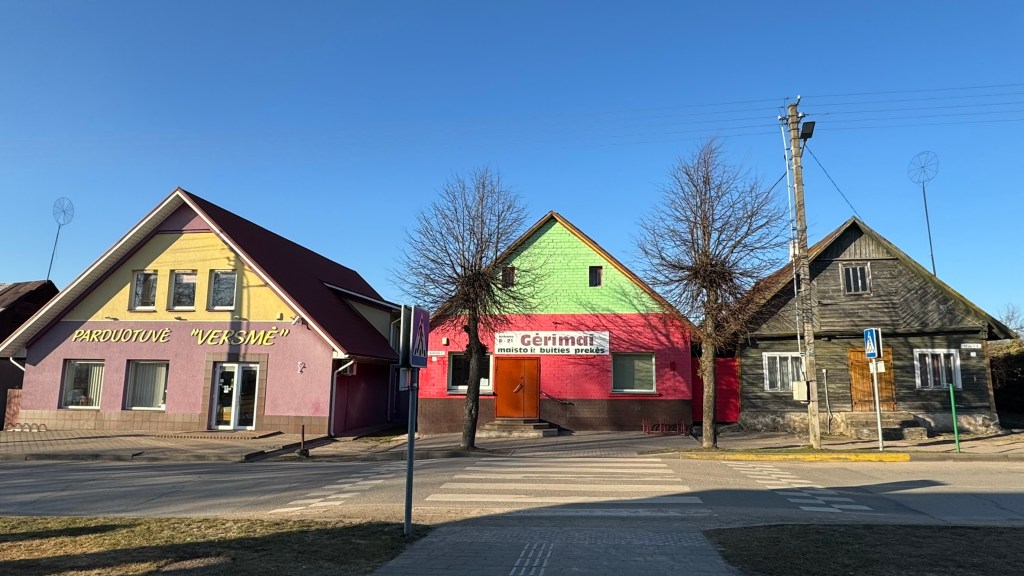
The road to the old Jewish cemetery.
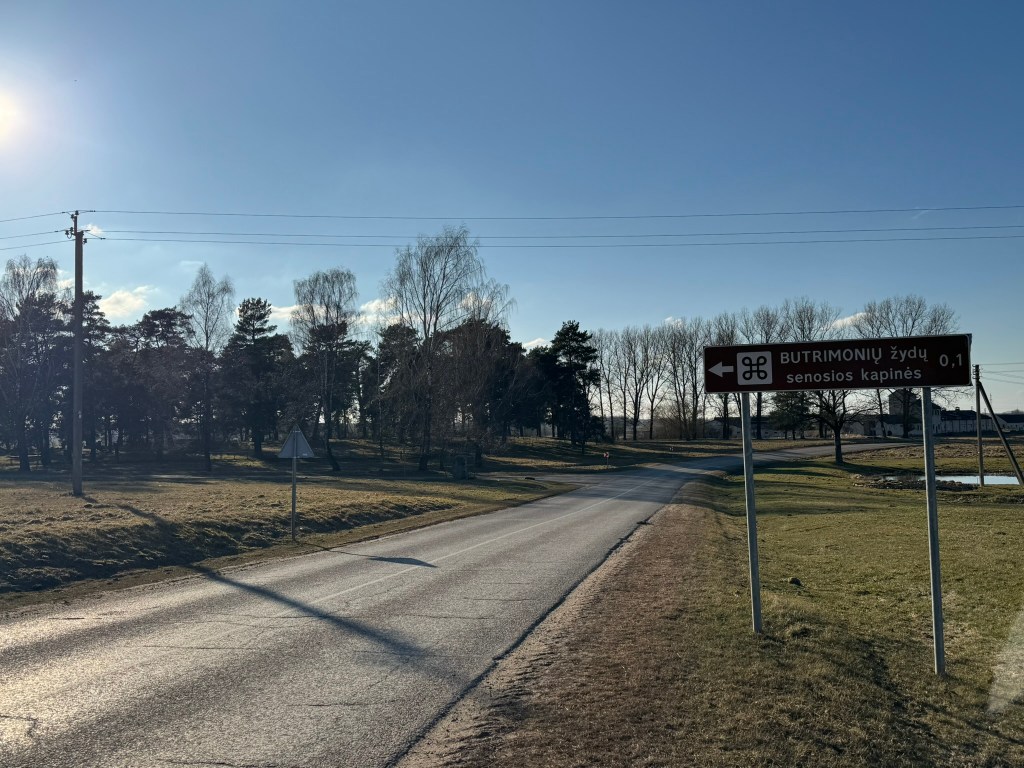
It is just behind the Butrimonys church
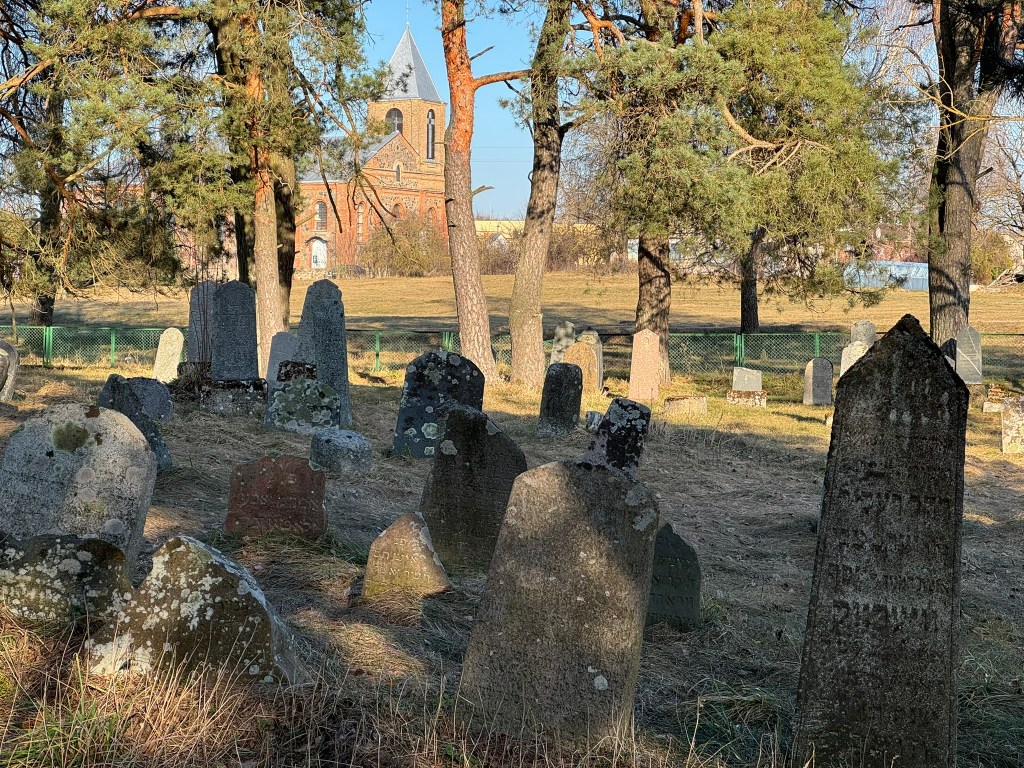
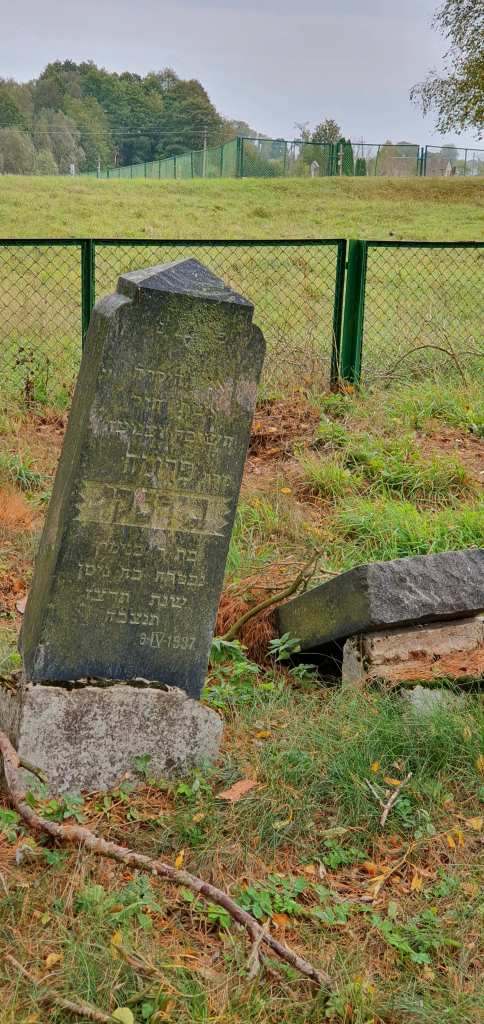
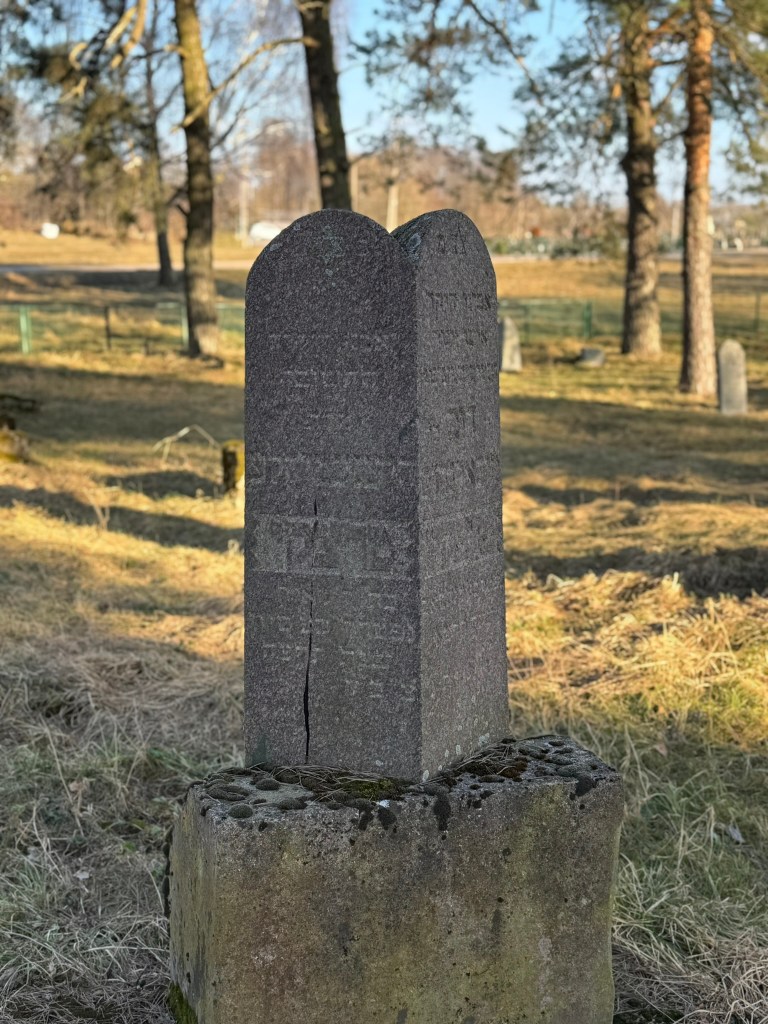
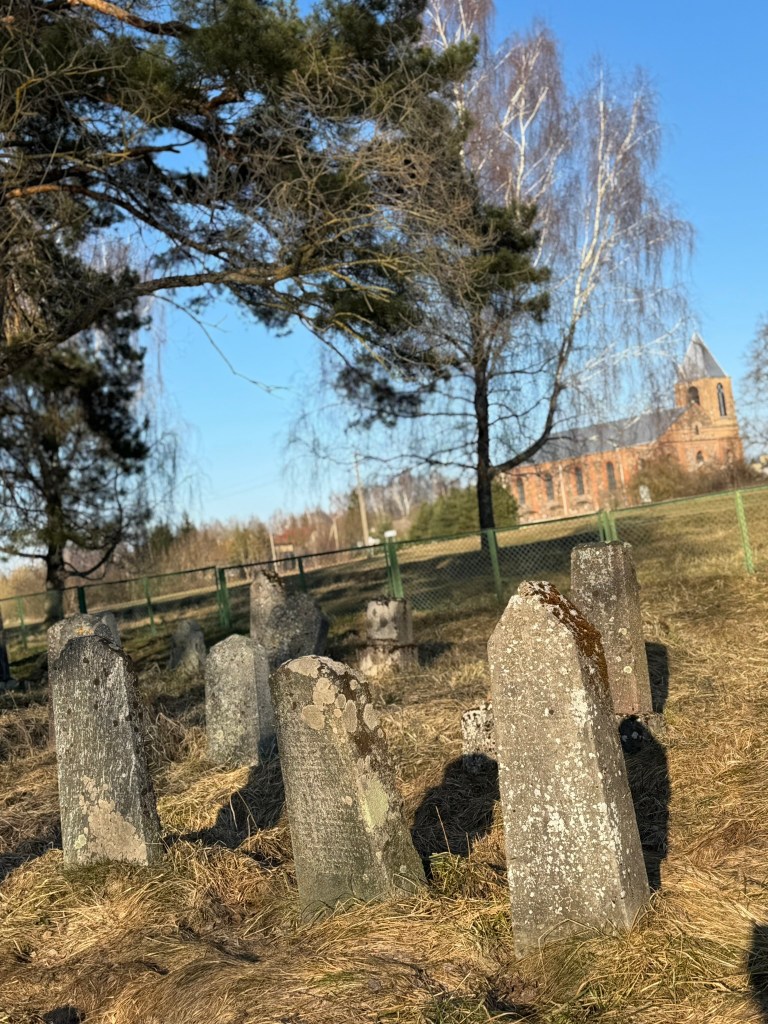
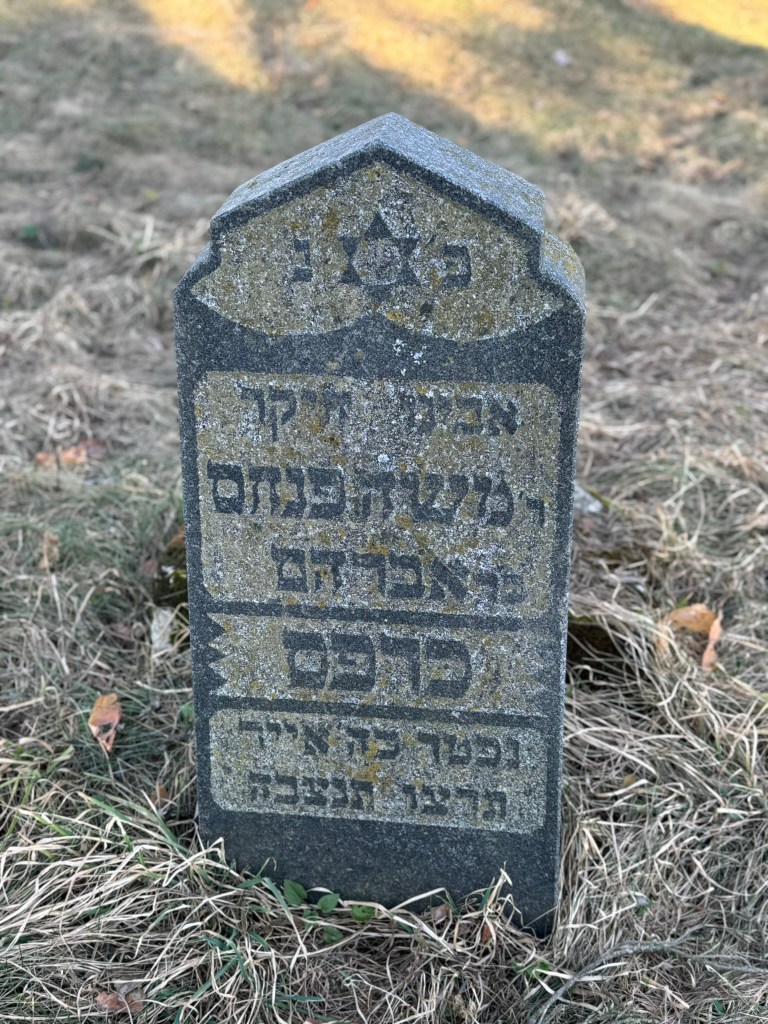
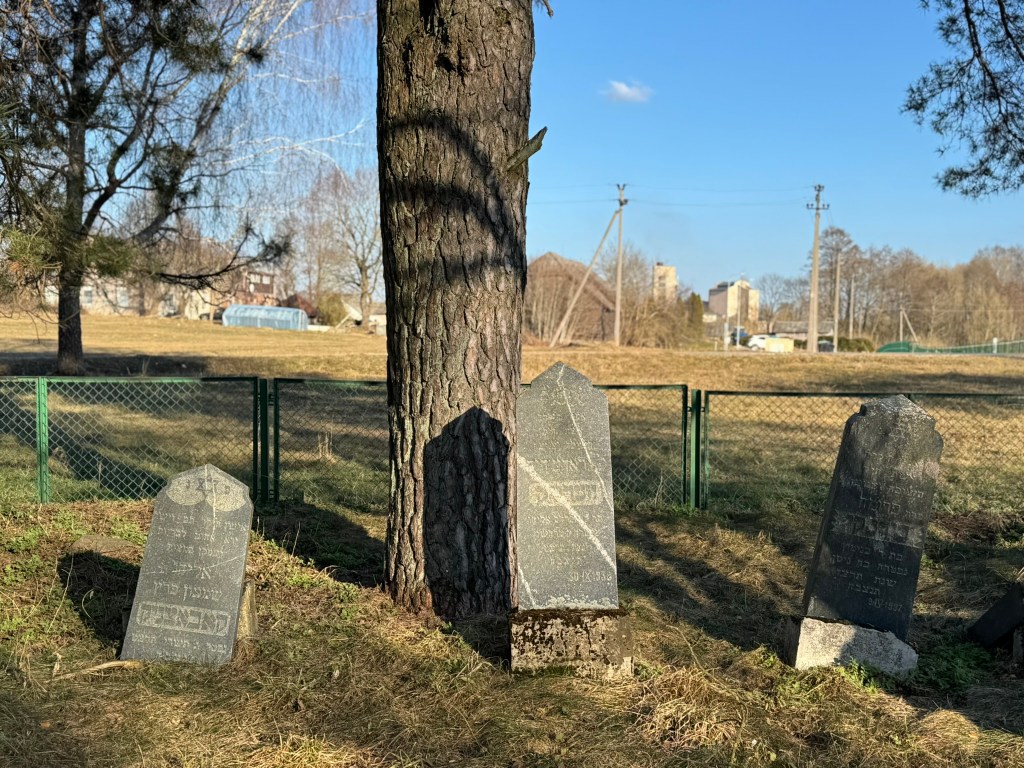
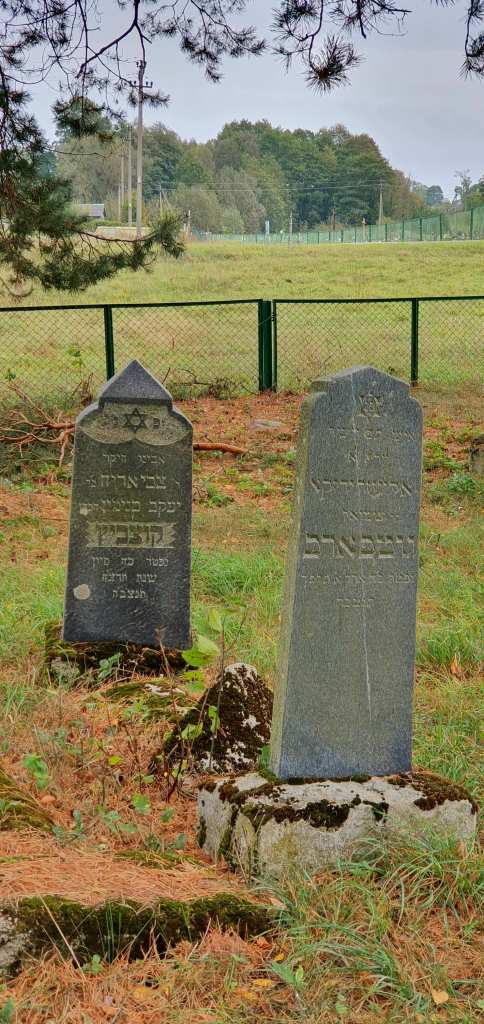
The Holocaust memorial, dedicated to 50 murdered Jewish women, is situated right in the cemetery.
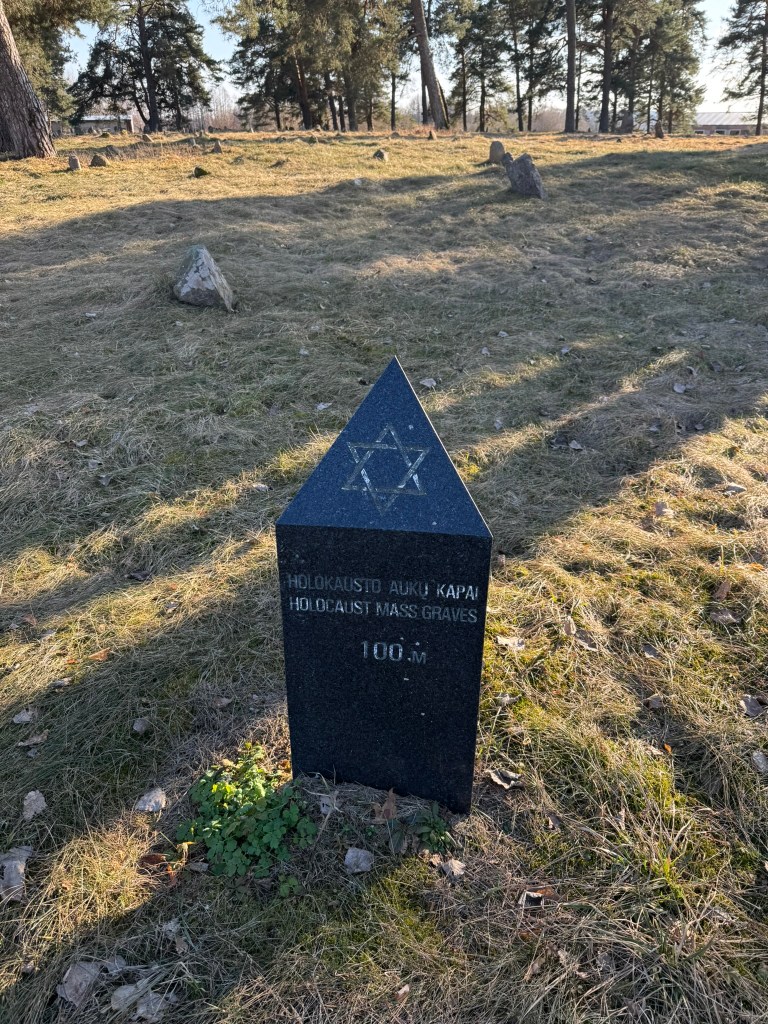
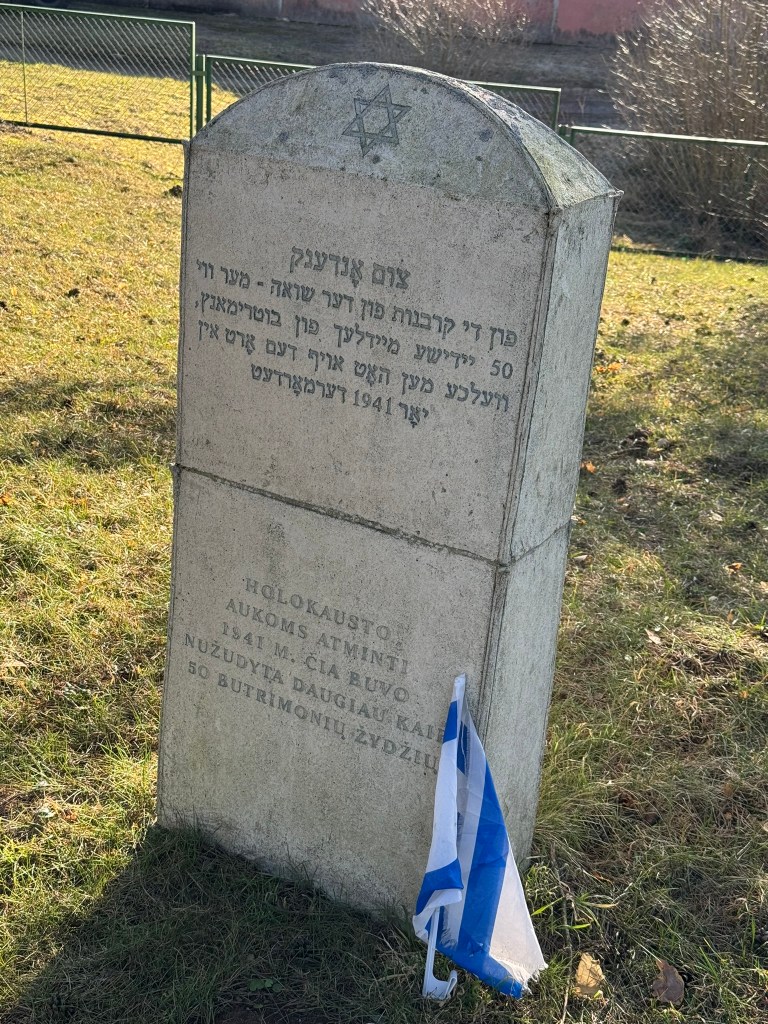
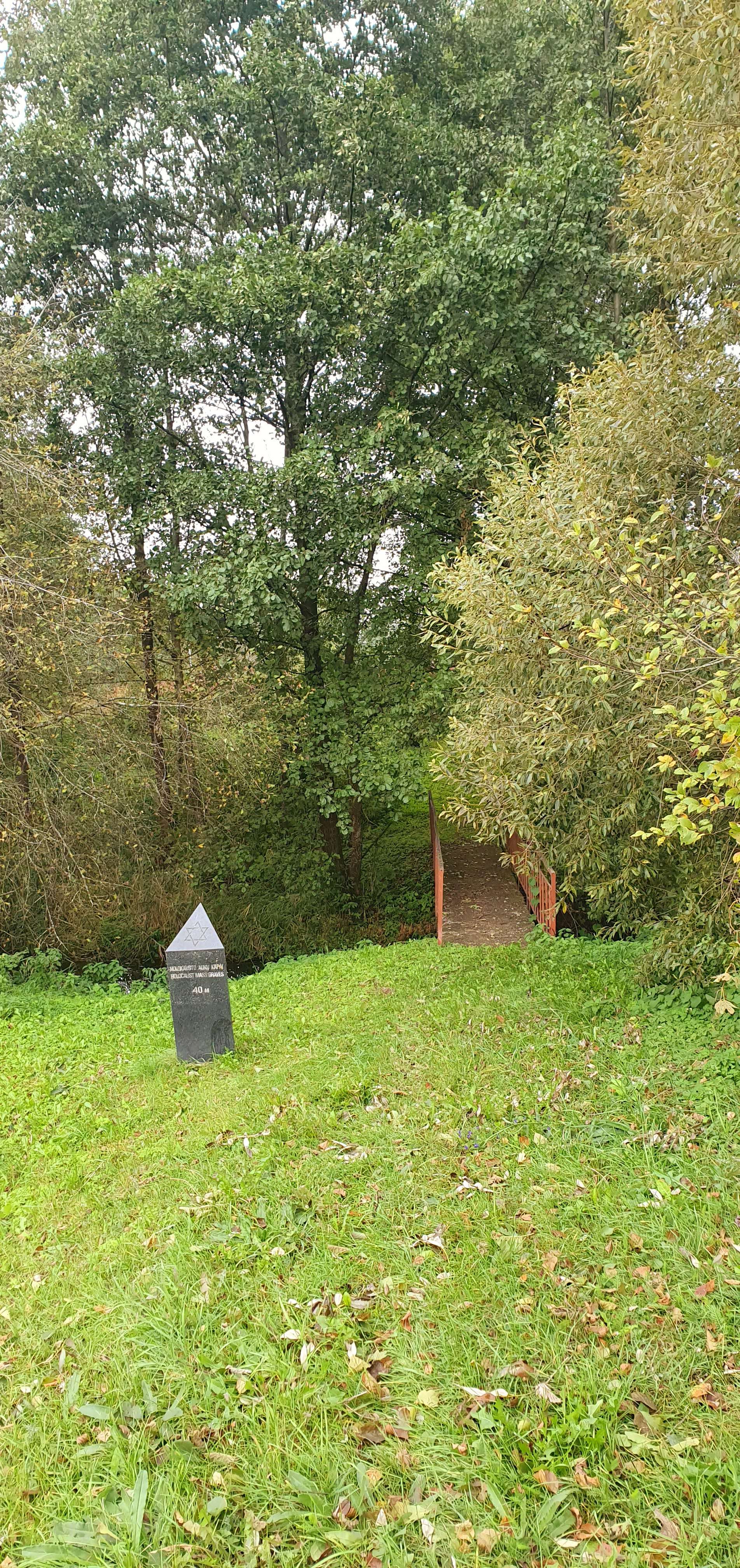
Other memorials are a few kilometers away near Klidžionys village. I took these pictures in 2018, 2023 and 2024. Never forget.
Love these stories and photos? You can support my work and help me keep documenting Lithuania’s shtetls:
JOIN ON PATREON
Literature
- “Butrimonys” – Encyclopedia of Jewish Communities in Lithuania
- If I Forget Thee… The Destruction of the Shtetl Butrimantz. Testimony by Riva Lozansky and other witnesses
- If I Forget Thee… Exhibition Catalogue, published by the Vilna Gaon State Jewish Museum in 2009
- The story of Jonas and Felicija Radlinskas
- Butrimonių miestelio žydai (in Lithuanian). Alytaus rajono Butrimonių vidurinės mokyklos kraštotyros būrelio darbas. Published in “Mano senelių ir prosenelių kaimynai žydai” (II volume, pages 71-89). Vilnius: Garnelis, 2003.
 Litvak Shtetls